
Lawn
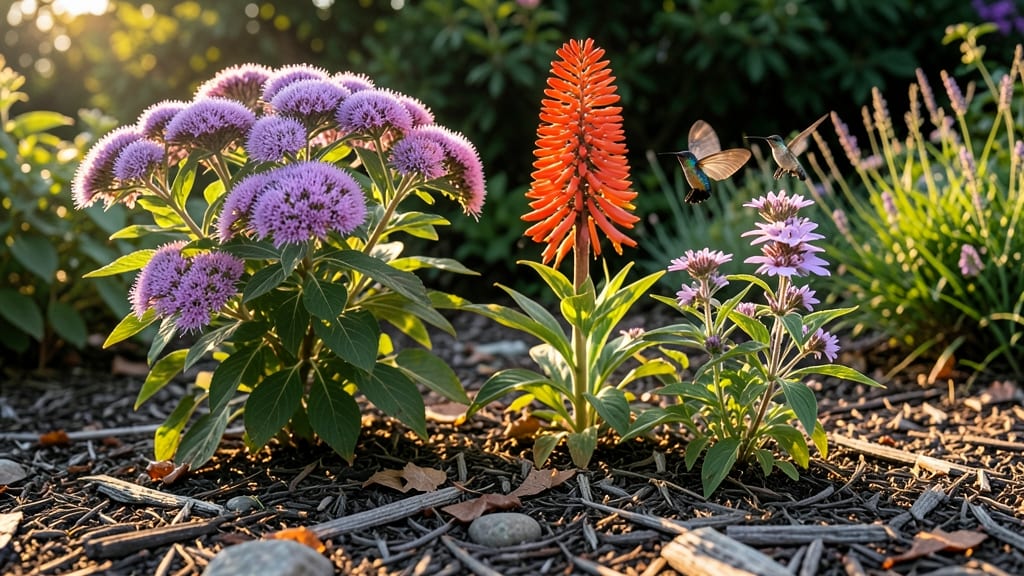
Tired of mowing, watering, and maintaining a traditional lawn? These ten creative lawn-to-garden transformations turn your yard into a thriving, low-maintenance ecosystem that saves time and boosts curb appeal—while supporting local wildlife.
Native Pollinator Meadow Garden
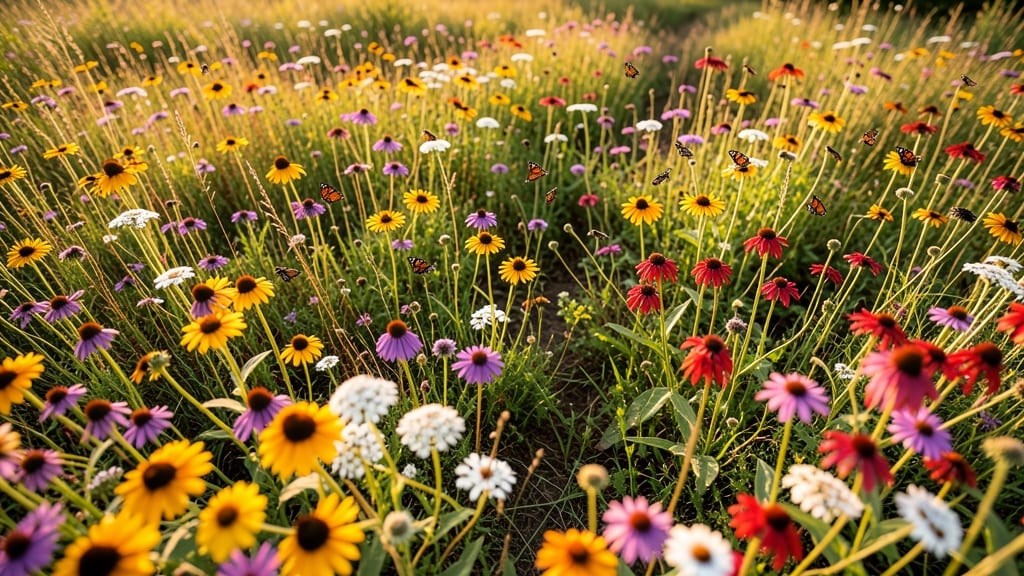
Watch your yard transform into a buzzing ecosystem where bees and butterflies outnumber weeds—without lifting a finger for pesticides or fertilizers. A native pollinator meadow replaces your lawn with a vibrant tapestry of wildflowers that thrive in full sun while supporting local wildlife.
Start by selecting a mix of native perennials like purple coneflower, black-eyed Susan, and bee balm, which attract pollinators year-round. These plants establish deep roots that outcompete weeds and require no additional watering once established. Simply mow the area once a year in late fall to control seed heads and keep the space tidy.
This is the perfect solution for eco-conscious homeowners who want to reduce their carbon footprint while creating a low-maintenance garden that blooms effortlessly. 🌻
Ground Cover Perennial Beds
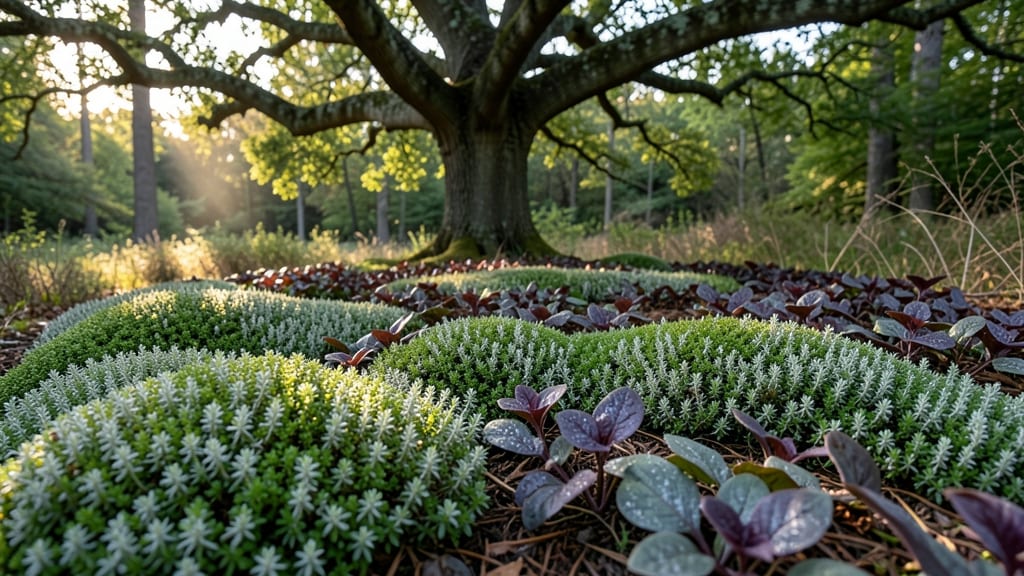
Tired of battling weeds and mowing under trees where grass barely survives? Ground cover perennial beds transform shady patches into lush, low-maintenance carpets that thrive without sunlight. Plants like creeping thyme and ajuga spread effortlessly, smothering weeds while adding vibrant foliage and seasonal blooms.
These hardy perennials need only moderate watering once established and tolerate foot traffic, making them perfect for pathways or play areas. Their year-round interest keeps your garden looking alive even in winter, with ajuga’s purple foliage and thyme’s fragrant greenery providing texture contrast. Plus, they’re deer-resistant and require no fertilizers.
This solution is ideal for homeowners with shady yards or busy schedules—just plant, water occasionally, and enjoy a 90% reduction in mowing time while boosting curb appeal. 💚
Raised Vegetable Garden Beds
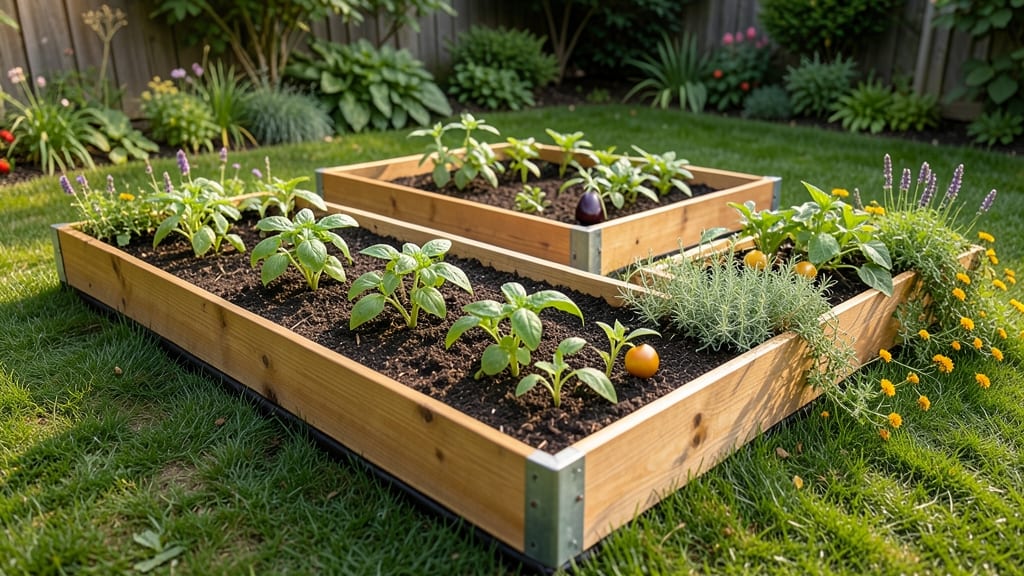
Turn your lawn into a dual-purpose powerhouse with raised vegetable garden beds that grow food and beauty. These elevated plots solve two problems at once: they eliminate bending over to plant and harvest, while also creating a striking, edible landscape that urban gardeners will love.
Start with 4x8-foot cedar or composite beds (untreated wood lasts longest) filled with a mix of topsoil, compost, and perlite for drainage. Plant fast-growing herbs like basil and cilantro in the center for easy access, while cherry tomatoes and peppers spill over the edges for ornamental appeal. Add edging stones to define the bed and keep soil contained.
This setup is ideal for small spaces, balconies, or backyards—even renters can use them. Plus, the elevated design reduces weeds and improves drainage, making it a low-maintenance way to enjoy fresh produce without sacrificing curb appeal. 🌱
Drought-Tolerant Succulent Garden
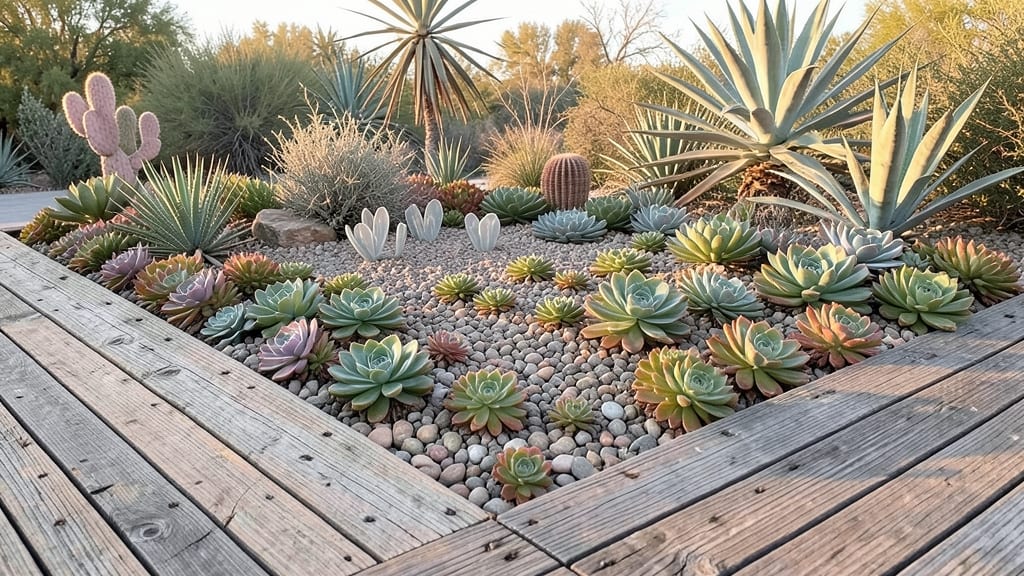
Skip the watering can forever with a drought-tolerant succulent garden—a striking, low-maintenance alternative that thrives on neglect. These architectural plants store water in their leaves, making them perfect for arid climates or even urban balconies where drought conditions are common.
Start with a mix of echeveria (rosette-shaped), sedum (thick, fleshy leaves), and agave (spiky, dramatic forms) for visual interest. Plant in well-draining soil with full sun exposure (6+ hours daily), and water only once a week during the first month to establish roots. Once settled, they’ll survive on rainwater alone—no sprinklers needed. Use terracotta pots or stone borders to enhance their sculptural appeal while keeping roots dry.
This design is ideal for busy homeowners or those in water-restricted areas, offering a modern, Zen-like aesthetic with zero upkeep. Plus, succulents deter pests naturally, so you’ll enjoy a low-maintenance, high-impact garden year-round. 🌻
Wildflower and Clover Lawn Alternative
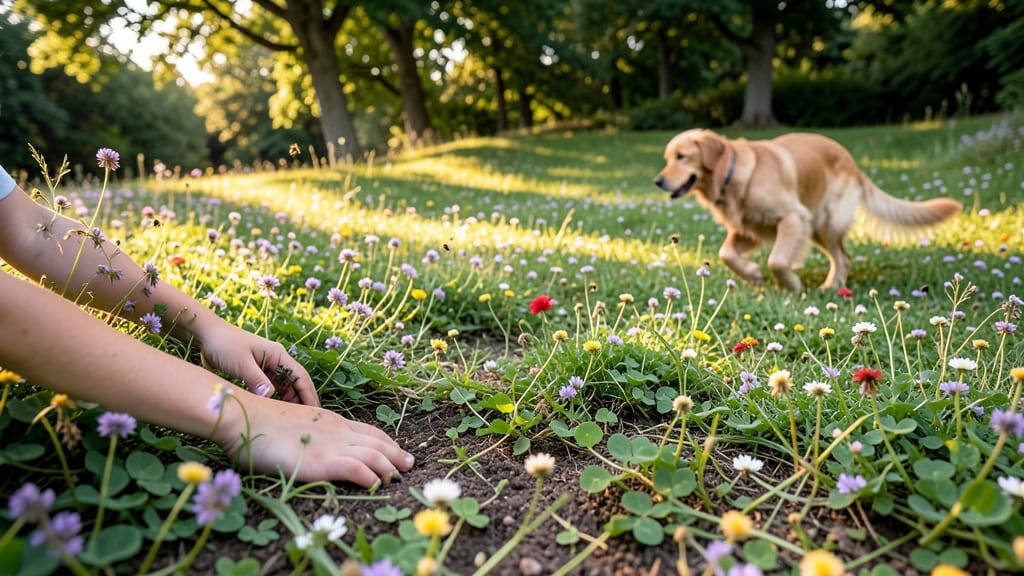
Skip the mower and say hello to a soft, bouncy lawn that’s as playful for kids as it is pollinator-friendly. A wildflower and clover mix replaces grass with a self-sustaining ecosystem that stays green without weekly mowing—ideal for families with pets or little ones who love to play.
Start by overseeding your existing lawn with a wildflower-clover blend (available at garden centers) in early spring or fall. The clover provides a nitrogen-rich ground cover that crowds out weeds, while wildflowers like black-eyed Susans and daisies attract bees and butterflies. Water lightly for the first few weeks to help seeds establish, then let nature take over—no fertilizers or pesticides needed.
This low-maintenance alternative thrives in full sun to partial shade and handles foot traffic better than most lawns. Perfect for eco-conscious families who want to reduce water use while creating a living playground for kids and wildlife. 🌻
Ornamental Grass Border Design
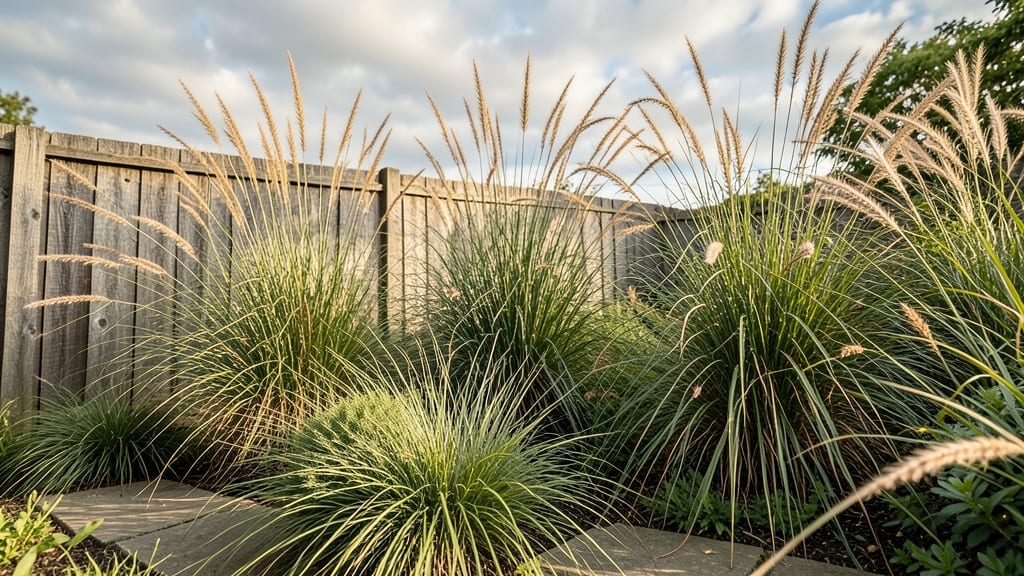
Skip the fuss of flowers—ornamental grasses bring drama, texture, and movement to garden edges with almost no effort. These hardy plants thrive in tight spaces, soften harsh lines, and even act as natural windbreaks, making them perfect for small yards or problem areas like fence lines.
Start with fountain grass for cascading plumes or maiden grass for elegant arches. Most varieties need only 6 hours of sun and tolerate poor soil, while their feathery foliage dances in the breeze year-round. Plant in clumps along pathways or borders for instant height without the upkeep of flowering plants.
This design is ideal for urban gardeners or anyone craving a low-maintenance, high-impact look. Plus, grasses like feather reed grass add winter interest when other plants fade. 🌻
Edible Landscaping with Herbs
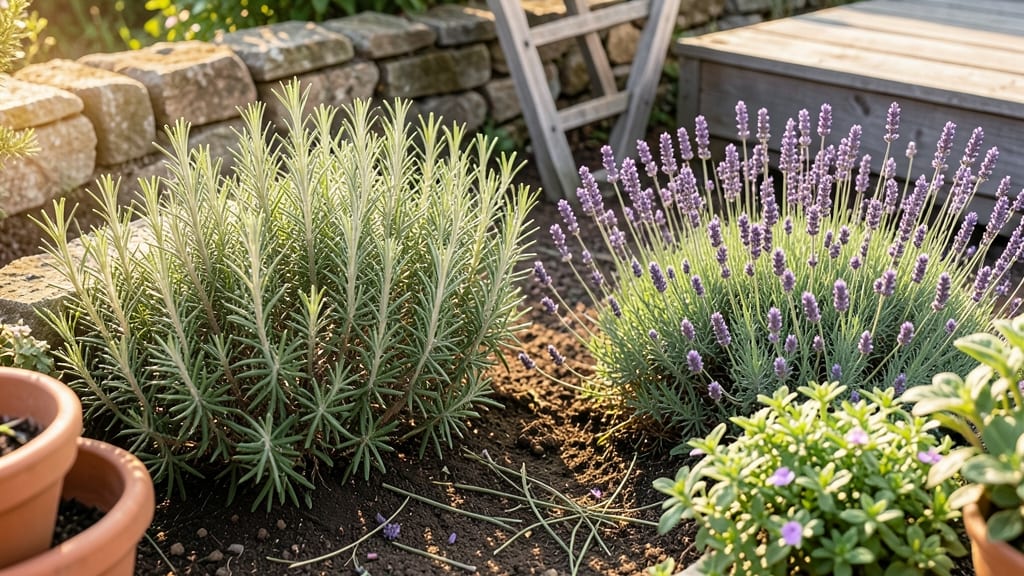
Transform your yard into a fragrant, functional kitchen garden by swapping grass for culinary herbs like rosemary, lavender, and oregano. These hardy perennials thrive in full sun, require minimal water once established, and double as natural pest deterrents—keeping mosquitoes and deer at bay while adding aroma to your outdoor space.
Plant rosemary and thyme in well-draining soil along borders or in containers, while lavender and oregano flourish in rocky, sunny spots. Group herbs by sunlight needs (most prefer 6+ hours of sun daily) and prune regularly to encourage bushier growth. The best part? You’ll harvest fresh flavors year-round for cooking—no grocery store needed!
This idea is perfect for home cooks, urban gardeners, or anyone tired of lawn maintenance. Plus, the intoxicating scents create a welcoming atmosphere for al fresco dining or relaxing evenings on the patio. 🌿
Shade-Loving Fern and Hostas Garden
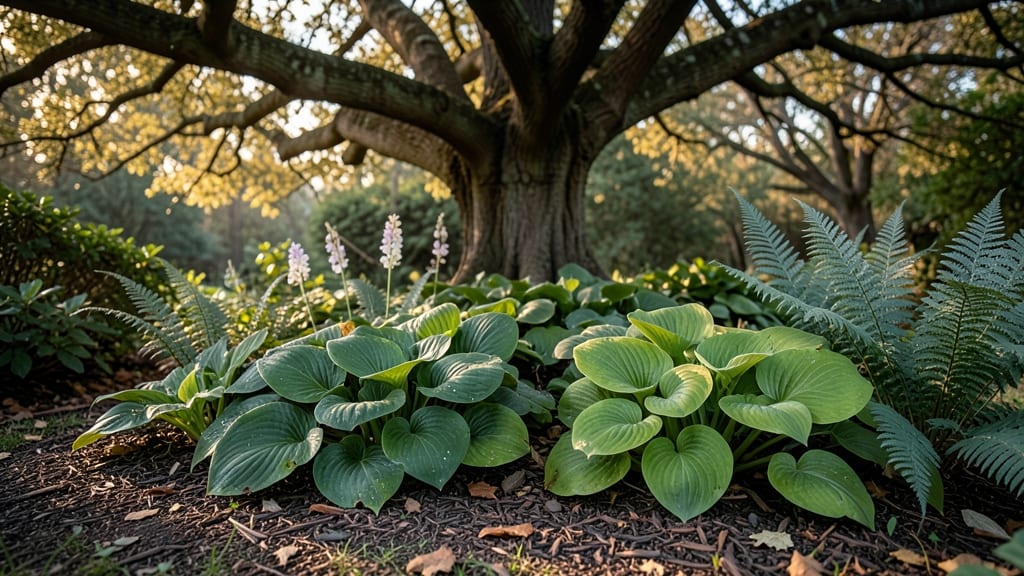
Turn that patchy, sun-starved lawn under your trees into a woodland oasis with a shade-loving fern and hostas garden. These plants thrive where grass gives up—under dappled shade—and create a lush, textured carpet that feels like stepping into a fairy tale. The secret? Pairing hostas (with their bold foliage in blues, greens, and golds) with delicate ferns like maidenhair or ostrich fern for year-round interest.
Start by removing grass and amending the soil with compost to improve drainage—these plants hate soggy roots. Space hostas 18-24 inches apart and ferns 12-18 inches apart for a natural, layered look. Mulch with shredded bark to suppress weeds and retain moisture. Once established, water deeply once a week (less in winter), and watch your garden flourish with almost no upkeep.
This design is perfect for shady yards, urban courtyards, or under mature trees—ideal for gardeners who want beauty without the mowing. Plus, it’s deer-resistant and attracts butterflies, making it a win for wildlife too. 🌿
Waterwise Rock Garden with Alpine Plants
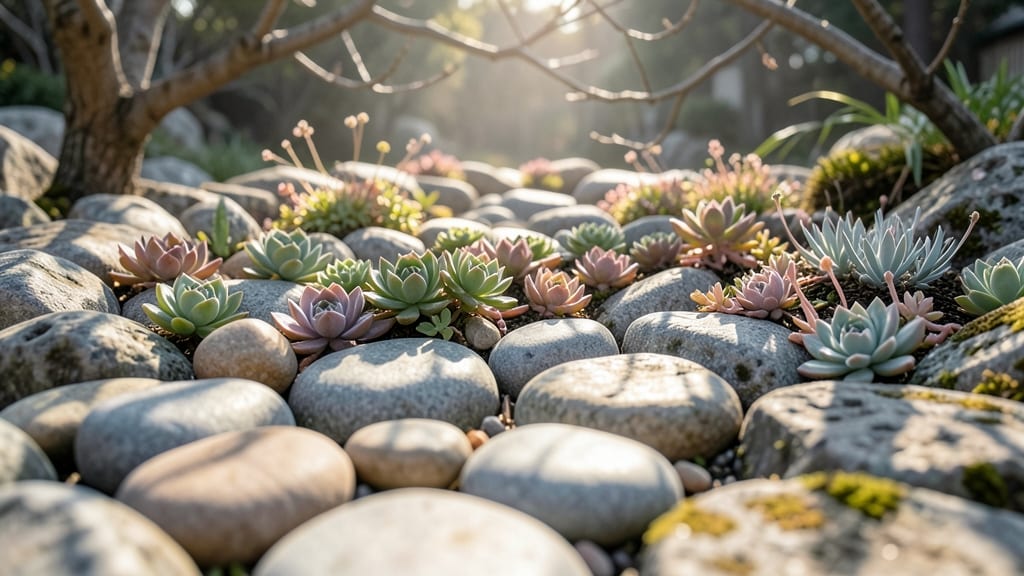
Skip the mowing and watering with a waterwise rock garden that feels like a Japanese Zen escape. This design blends drought-tolerant alpines like sempervivum (hens-and-chicks) and sedum with smooth river rocks to create a modern, meditative space that thrives on neglect.
Start by clearing grass from a small section, then layer sharp-edged stones (like slate or quartz) to create natural tiers. Plant alpines in sandy, well-draining soil—they hate soggy roots—and space them 6–12 inches apart for a lush, textured look. Add a few larger rocks as focal points, and let the plants spill over edges for organic movement.
Perfect for urban balconies, sloped yards, or drought-prone climates, this garden requires only occasional watering (every 3–4 weeks once established). The minimalist aesthetic also works in modern landscapes, offering year-round interest with frost-hardy foliage and occasional blooms. 🌷
Butterfly and Hummingbird Habitat Garden

Watch your yard transform into a living wildlife sanctuary with just three strategic plants—no fancy landscaping required. This butterfly and hummingbird habitat garden turns your space into a buzzing ecosystem where pollinators thrive, all while demanding minimal upkeep once established.
Start with milkweed for monarch butterflies (their host plant), pair it with bee balm for its nectar-rich blooms, and add salvia to attract hummingbirds with its tubular flowers. These plants love full sun and well-drained soil, and once rooted, they spread easily, creating lush coverage that outcompetes weeds. Deadhead spent blooms in late summer to encourage a second flush of flowers.
Perfect for nature lovers, this garden requires no pesticides and rewards you with daily visits from fluttering wings and darting hummingbirds. It’s the ultimate way to support biodiversity while enjoying a vibrant, low-maintenance garden. 🌟