
Lawn
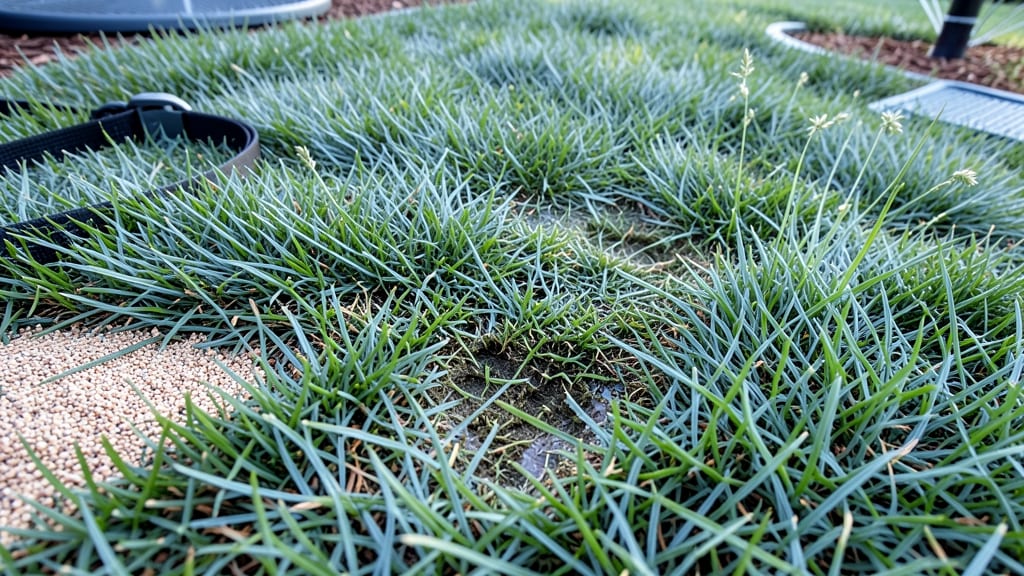
Lawn protection from dogs starts with designated paws-off zones, regular watering to neutralize urine, and quick reseeding of damaged patches. For high-traffic areas, pet-safe mulch or artificial turf absorbs impact and prevents soil compaction.
Dog urine contains high concentrations of nitrogen that burn grass blades almost instantly, turning vibrant lawns into patchy brown spots. 🌱 The key to fast recovery is diluting the urine by watering immediately after your dog goes—this spreads out the nitrogen and prevents long-term damage.
I’ve seen even the hardiest grass varieties struggle with repeated urination, so strategic placement of ground covers like clover or creeping thyme can create natural buffers where dogs frequent.
For areas where dogs dig or play aggressively, consider installing artificial turf or gravel paths. These materials hold up better under constant paw traffic while still looking natural.
If your lawn already has bare spots, overseeding with fast-growing varieties like ryegrass can restore coverage in just 2-3 weeks—perfect for high-priority areas like patios or play zones.
💡 In This Article
- How Dog Urine Damages Grass and How to Prevent It
- Best Grass Types and Landscaping Solutions for Dog-Friendly Lawns
How dog urine damages grass and how to prevent it
Dog urine contains up to 20 times more nitrogen than regular soil, which acts like a chemical burn on grass blades.
When your dog urinates, the concentrated urea breaks down into ammonia, raising the soil pH to 8.0 or higher—far beyond the ideal range of 6.0-7.0 for healthy grass growth.
This alkaline environment disrupts the grass's ability to absorb nutrients, causing yellowing and eventual death of the affected area within 24-48 hours. Larger dogs produce more urine (up to 12 ounces per urination), creating bigger damage zones compared to smaller breeds.
The damage isn't just about the burn—it's also about the soil structure.
Repeated urination compacts the soil, reducing oxygen flow to roots and creating a perfect environment for fungal growth. 🌱 What most people don't realize is that the grass often recovers visually but remains weakened underneath, making it vulnerable to drought or disease.
This is why you'll see patches that look green but fail to thrive during heatwaves. The solution? Watering immediately after urination dilutes the nitrogen concentration by 50-70%, giving the grass a fighting chance to metabolize the excess nutrients.
Here's what actually happens when you water: The urine spreads into a wider area, reducing the nitrogen concentration per square inch. Aim for ½ inch of water over the affected spot within 10 minutes of urination.
For dogs that mark frequently, consider installing a pet watering system that delivers targeted moisture to high-risk zones. This isn't just about aesthetics—healthy grass absorbs 30% more rainwater than damaged turf, which helps your entire lawn retain moisture during dry spells.
Size matters when it comes to damage potential. A 50-pound dog can create a 12-inch diameter burn spot, while a 100-pound dog can double that to 24 inches.
The key is to train your dog to urinate in one designated area (like a gravel patch) rather than scattered across the lawn. This reduces the total area exposed to high nitrogen concentrations. For existing damage, apply a low-nitrogen fertilizer (5-10-10 ratio) to help recover without overloading the soil.
For stubborn yellow patches, try this recovery trick: Scratch the soil lightly with a rake to aerate, then sprinkle ½ cup of compost over the area.
The organic matter helps neutralize pH imbalances while providing essential microbes that break down residual ammonia. 💫 This method works best when combined with overseeding—sprinkle ½ pound of fast-growing ryegrass seed per 100 square feet and keep the area moist for 2-3 weeks.
The new grass will outcompete weeds and fill in bare spots faster than waiting for existing grass to recover.
One advanced technique I've used with clients is creating "urine buffers" using clover or creeping thyme. These ground covers tolerate higher nitrogen levels and actually thrive in dog urine, creating natural zones where your dog can relieve themselves without damaging the rest of the lawn.
The clover's deep roots also help break down ammonia in the soil over time, reducing long-term damage potential.