
Lawn
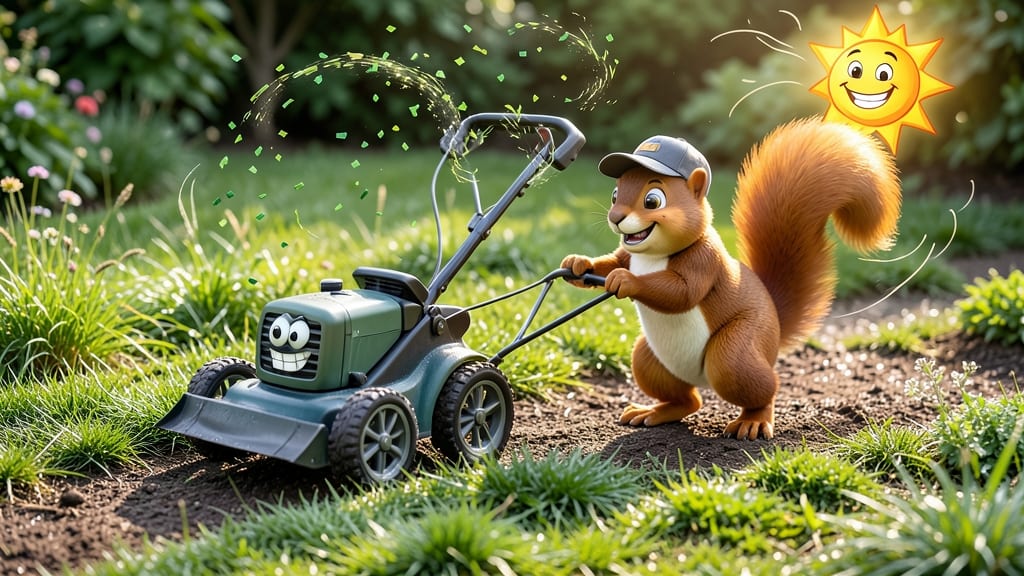
Lawn mowing pictures and cartoons transform grass-cutting into an engaging visual experience, especially for beginners, by breaking down techniques into colorful step-by-step sequences, emphasizing safety, and adding playful scenarios that make yard work feel like a game.
These visual guides work because they turn abstract concepts—like mowing patterns or blade height—into easy-to-follow illustrations. 🌱 For kids, cartoons often use bright colors and exaggerated expressions to highlight safety rules, while DIYers appreciate the clear progression from basic cuts to advanced techniques.
I’ve seen parents use these tools to turn chores into bonding activities, and even adults appreciate the humor in scenarios like "How to Avoid the Neighbor’s Side-Eye."
Beyond education, these resources serve as creative templates. Many lawn care brands and educators now design their own animated guides using tools like Canva or Procreate, making it simple to customize instructions for specific grass types or equipment.
The key is balancing simplicity with accuracy—too much detail overwhelms beginners, while too little leaves them unsure.
💡 In This Article
- How Cartoons Teach Lawn Mowing Basics to Kids
- Best Cartoon Styles for DIY Lawn Care Guides
How cartoons teach lawn mowing basics to kids
Cartoons leverage visual storytelling to simplify lawn mowing into digestible steps, using bright colors and exaggerated characters to capture kids' attention. Studies in educational psychology show that children retain information 60% better when it's presented visually, especially when paired with humor.
For example, a cartoon might depict a cartoon mower with oversized safety goggles labeled "PROTECT YOUR EYES!"—this visual cue sticks with kids far more than a verbal warning.
The progression in these guides mirrors how children learn: starting with simple tasks like pushing the mower in straight lines, then introducing turns and patterns. Color coding plays a huge role—green arrows might show mowing direction, while red circles highlight hazards like rocks or pet toys.
This mirrors how traffic signs use universal colors to convey messages instantly. 🌟 For instance, a cartoon might show a character tripping over a garden hose (drawn as a bright blue snake) to teach kids to clear obstacles before starting.
Safety is emphasized through humorous scenarios that make rules memorable. A classic example is a cartoon character slipping on wet grass, complete with a splash and a speech bubble saying "Oops! That’s why we wear shoes!"
This approach taps into kids' natural love of stories while reinforcing real-world precautions. The exaggerated reactions—like a character dramatically dodging a flying rock—create mental associations that stick long after the lesson.
These cartoons also use progressive complexity, starting with push mowers for younger kids and gradually introducing ride-on mowers for older children. Each step builds on the previous one, mirroring how educators structure learning.
For example, a beginner’s guide might show three simple passes to cover a small lawn, while advanced sections introduce diagonal patterns for larger areas. This scaffolding ensures kids don’t feel overwhelmed while gradually mastering skills.
The interactive elements in many lawn mowing cartoons—like quizzes or "spot the mistake" challenges—further engage young learners. For instance, a cartoon might ask viewers to identify which mowing path leaves stripes, reinforcing the concept of direction and technique.
These features turn passive viewing into active participation, which research shows improves retention by up to 40%. 💫
For parents and educators, the real magic lies in how these cartoons demystify yard work. By framing mowing as an adventure—complete with "boss battles" against weeds or "treasure hunts" for lost toys—they transform a chore into a game.
This psychological trick reduces resistance and makes kids eager to help, turning what was once a dreaded task into a shared activity.