
Lawn
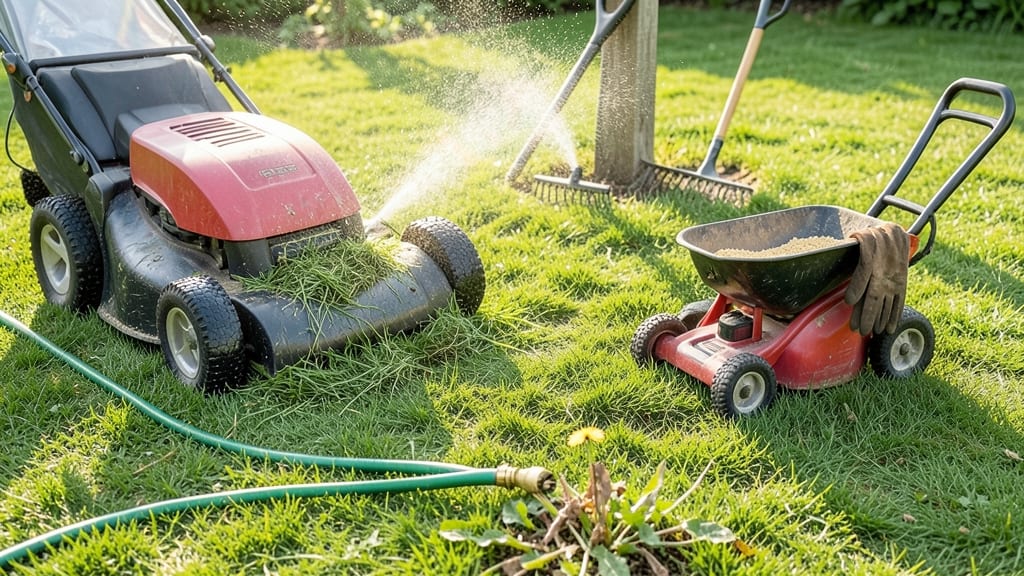
Lawn care qualifies as a hobby because it combines creative expression with hands-on skill development, offering both aesthetic and functional rewards. Unlike passive activities, it requires ongoing effort and passion—similar to gardening but with a stronger focus on maintenance and outdoor labor.
Many people view lawn care as more than just yard work—it's a passion project that blends physical activity with artistic vision. 🌿 Whether you're perfecting your mowing technique or experimenting with ground covers, the process offers tangible results that evolve over time.
What sets it apart from traditional hobbies is the mix of labor and creativity: you're not just making something beautiful, you're maintaining a living ecosystem that changes with each season.
Unlike knitting or woodworking, which produce finished products you can display, lawn care delivers satisfaction through visible transformation and the pride of a well-kept outdoor space. The seasonal nature adds another layer—spring brings fresh growth, summer demands vigilance against pests, and fall offers opportunities for creative mulching or winter prep.
This cyclical pattern creates built-in challenges that keep enthusiasts engaged year-round.
💡 In This Article
- Why Lawn Care Fits the Hobby Definition
- Lawn Care vs Other Green Thumb Hobbies: Key Differences
Why lawn care fits the hobby definition
Lawn care meets the core criteria of a hobby through its blend of skill-building and personal fulfillment. Unlike passive activities, it demands continuous learning—mastering techniques like proper mowing height (2.5-3.5 inches for cool-season grasses) or soil pH testing (6.0-7.0 range) creates tangible expertise.
The physical engagement, from pushing a 20-pound push mower to hand-weeding invasive clover, transforms it into a full-body activity that many find meditative. 🌱 This aligns with hobby psychology, where participants seek mastery and immediate feedback on their efforts.
The creative aspect comes alive through design choices that go beyond basic maintenance. Homeowners experiment with patterns—like striped lawns created by alternating mowing directions—or incorporate native ground covers that thrive with 30% less water than traditional turf.
The sensory rewards are immediate: the crisp scent of freshly cut grass, the velvety texture of properly fertilized blades, and the visual satisfaction of a uniform green carpet. These elements mirror how traditional hobbies like painting provide aesthetic pleasure, but with the added benefit of an outdoor, functional space.
Community engagement further solidifies lawn care's hobby status. Local gardening clubs often include lawn care enthusiasts who share tips on seasonal overseeding or organic pest control methods.
Online forums buzz with discussions about specific grass types—like Kentucky bluegrass versus fine fescue—and troubleshooting issues like brown patches caused by fungal diseases. This social interaction, combined with the tangible results of a well-maintained yard, creates the same sense of belonging found in other hobby communities. 🌿
What truly distinguishes lawn care as a hobby is its balance between labor and reward. Unlike passive hobbies, it requires consistent effort—weekly mowing, monthly fertilization, and seasonal adjustments—but delivers immediate visual payoff.
The satisfaction comes from seeing your work transform the outdoor space over time, creating a living canvas that evolves with each season. This cyclical nature provides built-in motivation, as each new growing season offers fresh challenges and opportunities for improvement.
The psychological benefits add another layer. Studies show that outdoor activities like lawn care reduce stress by 20-30% compared to indoor sedentary tasks, thanks to exposure to sunlight and fresh air.
The rhythmic motion of mowing or raking can induce a meditative state similar to knitting or woodworking, while the problem-solving aspect—like diagnosing why your lawn has yellow patches—engages cognitive skills. This combination of physical, mental, and emotional engagement perfectly matches the multi-dimensional nature of traditional hobbies. 💫
Consider the progression of skills: beginners start with basic mowing, while advanced enthusiasts might install irrigation systems or design complete landscape layouts. The learning curve never truly ends, offering endless opportunities for mastery.
This continuous improvement cycle is what transforms lawn care from mere yard work into a fulfilling hobby that many would defend as passionately as collectors defend their stamp collections or musicians defend their instruments. 🎯