
Lawn
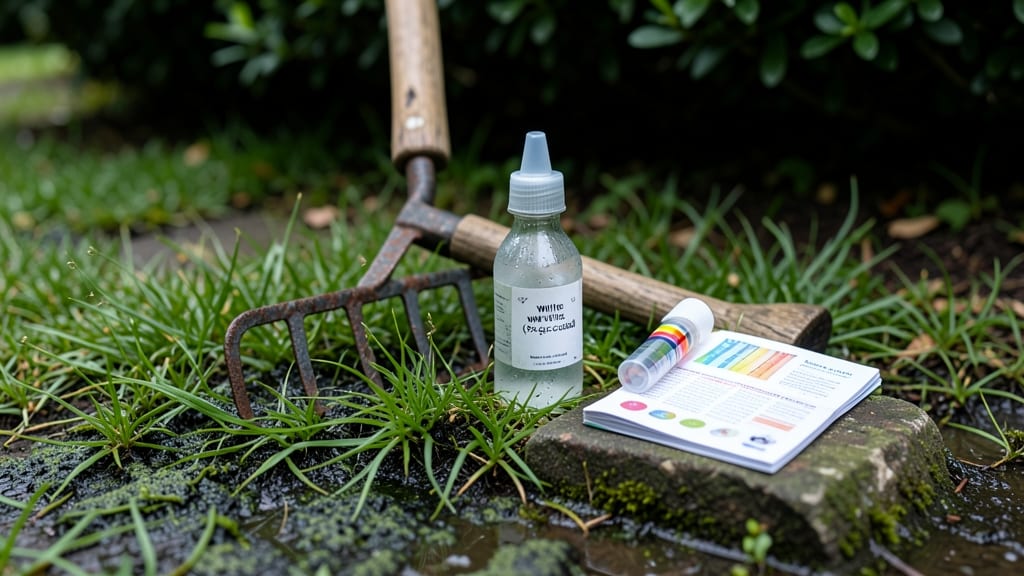
Lawn algae isn’t inherently dangerous but can pose health risks like respiratory irritation from spores, slip hazards, and mold growth if left untreated. It thrives in damp, shaded areas and may indicate poor drainage or overwatering, which can harm grass roots over time.
Lawn algae itself isn't toxic, but the conditions that create it—like standing water and organic buildup—can become breeding grounds for harmful molds and bacteria. 🌱 The real danger comes from prolonged exposure to algae spores, which may trigger allergies or asthma symptoms in sensitive individuals, especially during hot, humid weather.
What's more concerning is how algae smothers grass roots, starving your lawn of essential nutrients and creating an uneven, slippery surface that poses a safety risk for pets and children.
Most homeowners can safely manage algae through simple lawn care adjustments, like improving drainage and reducing shade. For persistent cases, natural solutions like baking soda or vinegar sprays can help without harsh chemicals.
The key is addressing the root cause—literally—to prevent algae from returning and protecting both your lawn and your family's health.
💡 In This Article
- Understanding Lawn Algae Health Risks and Causes
- Safe and Effective Lawn Algae Removal Methods
Understanding lawn algae health risks and causes
Lawn algae thrives due to a perfect storm of conditions: excess moisture, low sunlight, and nutrient-rich soil. These microscopic organisms multiply rapidly in damp, shaded areas where grass struggles to grow, creating that familiar greenish-black film.
The problem isn't the algae itself but the environmental factors that enable it—poor drainage, overwatering, or thick tree canopies that block sunlight. When these conditions persist, algae forms a dense mat that smothers grass roots, blocking oxygen and water absorption.
From a health perspective, the real concern lies in the spores and organic debris that accumulate. When disturbed—through mowing, walking, or even wind—these spores can become airborne, triggering respiratory irritation in sensitive individuals.
Studies show algae spores contain compounds that may worsen allergies or asthma symptoms, particularly during hot, humid weather when spores are most active. The texture of algae-covered grass also becomes slippery when wet, creating a hazard for pets and children playing outdoors.
The indirect damage to lawns is equally concerning. Algae competes with grass for nitrogen and phosphorus, essential nutrients that weaken your lawn's health. Over time, this creates thin, patchy areas where weeds and moss take over.
The pH imbalance caused by algae buildup further stresses grass roots, making your lawn more vulnerable to disease. What starts as a cosmetic issue can quickly become a structural problem if left unchecked.
Here's what most people overlook: algae growth is a symptom, not the root cause. The damp, shaded conditions that create it often indicate deeper issues like compacted soil or poor irrigation systems.
For example, a lawn receiving 1-1.5 inches of water per week is ideal for grass, but algae can thrive with just 0.5 inches in shaded spots. This imbalance is why algae often appears in specific patches rather than uniformly across the lawn.
Consider this comparison: healthy grass roots grow 4-6 inches deep and form dense networks, while algae-covered areas may have roots struggling to penetrate just 1-2 inches into the soil. This shallow root system makes grass more susceptible to drought and foot traffic damage.
The visual difference is striking—algae areas often appear darker green but feel spongy underfoot, while healthy grass has a firm, resilient texture.
The good news? Addressing these conditions can restore your lawn's health. Simple adjustments like improving drainage, reducing shade, or adjusting watering schedules can make your lawn less hospitable to algae.
The key is acting before the problem spreads, as algae can double in coverage within 2-3 weeks under ideal conditions. 🌱