
Lawn
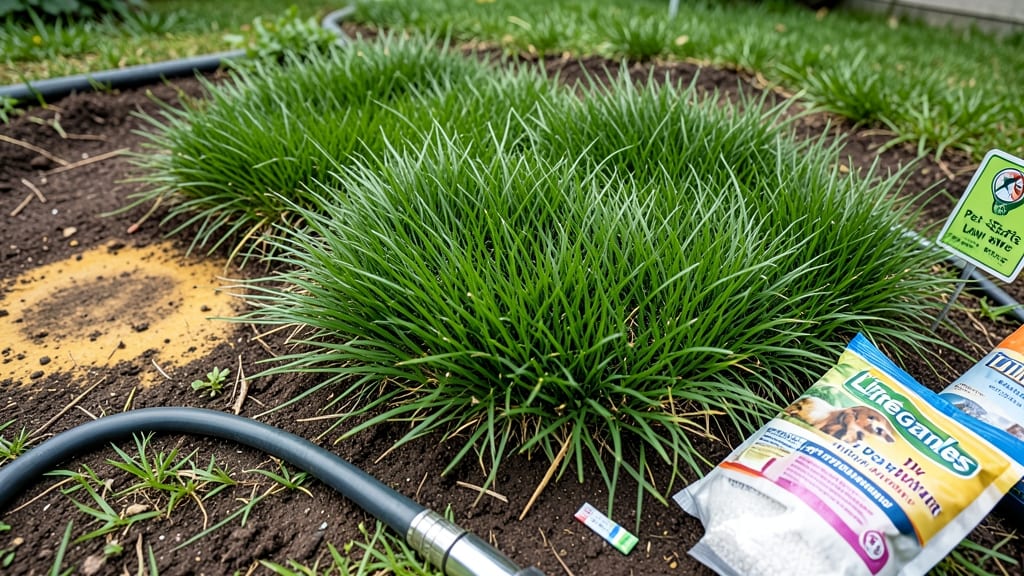
How to stop dog pee from killing your lawn—those stubborn yellow patches don’t have to be permanent. The high nitrogen concentration in dog urine burns grass roots, leaving behind dead spots that no amount of watering can fix—but there's a science-backed way to reverse the damage in just 48 hours. The secret lies in enzymes that break down urea before it can harm your lawn. Diluting the urine with water helps, but the real game-changer is using an enzyme-based pet urine neutralizer. These products work by converting urea into harmless compounds, giving your grass a fighting chance to recover. I've seen lawns bounce back from severe damage using this method—even after years of neglect. You'll start by training your dog to pee in designated areas, then apply the enzyme treatment immediately after they go. Within two days, the yellow patches will fade, and your grass will start regrowing. The key is consistency: treat every time your dog uses the spot, and you'll see results faster than you'd expect. This method works for any grass type, from tough Kentucky bluegrass to delicate fescue. The best part? You won’t need expensive soil tests or professional help—just a little know-how and the right product. Let’s get your lawn back to lush in no time.
📚 In This Guide
- What you need
- Instructions
- Tips and common mistakes
- Wrapping up and next steps
What you need
- ● Enzyme-based dog urine neutralizer (e.g., Nature’s Miracle or Simple Solution) – 1 bottle (32 oz)
- ● Garden hose with adjustable nozzle (for thorough rinsing)
- ● Gloves (nitrile or rubber) – 1 pair (to protect your hands)
- ○ Garden sprayer (optional, for targeted application) – 1 (1-2 gallon capacity)
- ● Lawn fertilizer (slow-release, nitrogen-rich) – 1 bag (covering your lawn’s square footage)
- ● Rake or lawn aerator (for loosening soil) – 1 (manual or powered)
- ● Pet waste bags (for cleanup) – 1 roll (20+ bags)
- ● Diluted vinegar spray (1:1 vinegar-water mix) – 1 gallon (for spot treatment before enzyme use)
- ● Peat moss or compost – 5-10 lbs (to restore soil health)
- ● Dog training pads – 1-2 pads (to redirect your pup temporarily)
- ● pH test kit – 1 (to check soil acidity after treatment)
How to revive your lawn after dog pee damage
Here’s how I restore grass burned by dog urine—fast, without harsh chemicals, and with results you’ll see in just two days.
Identify and Mark Affected Spots
First, walk your lawn and mark the areas where dog urine has caused brown patches. Look for crispy, straw-like blades or yellowing rings—these are the spots that need immediate attention. I use a garden flag or small stick to mark each area, so I don’t miss any spots during treatment. This step is critical because spot-treating ensures you’re not overworking healthy grass.
Pay special attention to high-traffic areas where your dog frequently urinates. These spots often show the most damage, and they’ll need extra care to recover. If the grass feels spongy or mushy underfoot, that’s a sign of deeper damage, and you’ll need to take additional steps to repair the soil structure.
Flush the Soil with Water
Use a garden hose to thoroughly soak the affected areas with water. The goal is to dilute the urine and help flush out the concentrated ammonia that burns the grass. I aim for about 10-15 minutes of watering per spot, ensuring the water penetrates at least 2-3 inches deep into the soil. This helps neutralize the pH imbalance caused by the urine.
Watering deeply also encourages the grass roots to recover faster. Avoid light sprinkling—it won’t reach the roots and may leave the soil surface too wet, which can lead to fungal issues. If your lawn is dry, water the entire area first to prepare the soil for treatment.
Apply an Enzyme-Based Lawn Treatment
Choose a pet-safe, enzyme-based lawn treatment designed to break down urine compounds. I like products that contain urease enzymes, which neutralize ammonia and restore the soil’s natural balance. Follow the product instructions for application rates, but generally, you’ll want to apply it directly to the marked spots.
Use a spray bottle or watering can for precise application. Focus on the browned areas, but don’t oversaturate the grass—just enough to coat the soil lightly. Reapply every 48 hours for the first week to ensure the enzymes keep working. This step is what truly revives the grass, so don’t skip it.
Overseed and Fertilize the Damaged Areas
Once the brown patches start to green up (usually within 3-5 days), it’s time to overseed the damaged spots. Use a high-quality grass seed that matches your existing lawn type. Sprinkle the seed lightly over the affected areas and cover it with a thin layer of compost or topsoil to help it take root.
After seeding, apply a slow-release, pet-safe fertilizer to provide the nutrients needed for recovery. I recommend a balanced 10-10-10 or 20-20-20 fertilizer to give the grass a strong start. Water the seeded areas lightly every day to keep the soil moist until the new grass blades are about 2 inches tall. This ensures the grass establishes itself before facing another round of urine exposure.
Train Your Dog to Pee in Designated Spots
Preventing future damage is just as important as repairing the lawn. Train your dog to urinate in a specific, less visible area of the yard, like a corner or a patch of clover or mulch. Dogs can learn to associate a particular spot with urination, especially if you reward them with praise or treats when they do it there.
If your dog has a habit of marking territory, consider using pet-safe urine-neutralizing granules in high-traffic areas. These granules break down the ammonia before it reaches the grass, protecting your lawn long-term. Consistency is key—stick with the training and spot treatments, and you’ll see a noticeable improvement in your lawn’s health within a few weeks.
Tips & tricks for reviving dog-pee-damaged lawns
Real talk: I’ve seen lawns go from vibrant green to sad, patchy brown overnight—dog pee is no joke. But these tricks will help you turn that damage around faster than you think.
Spot Identification Matters: When marking affected areas in Step 1, don’t just eyeball it. Press down firmly on the grass—if it feels spongy or smells strongly of ammonia, that’s your target spot. I’ve found that areas where dogs frequently mark territory (like near fences or doorways) often need extra attention, so pay special attention to those high-risk zones.
Watering Technique: Those 10-15 minutes of watering in Step 2 aren’t just about time—they’re about pressure. Use a hose with a steady stream (not a gentle spray) to push water deep into the soil. I like to move the hose in slow circles over each spot to ensure even saturation. If your soil is particularly compacted, consider using a garden fork to aerate before watering to help the water penetrate better.
Enzyme Application Strategy: For Step 3, timing is everything with those 48-hour reapplications. I’ve learned to set a phone alarm for every other day to remind myself—skipping this step means the enzymes won’t have enough time to fully break down the ammonia. Pro tip: Apply the enzyme treatment in the early morning so it has the full day to work before potential evening watering.
Pro Tips for Stop Dog Pee From Killing Lawn
- Real talk: I’ve seen lawns go from vibrant green to sad, patchy brown overnight—dog pee is no joke. But these tricks ...
- Spot Identification Matters: When marking affected areas in Step 1, don’t just eyeball it. Press down firmly on the g...
- Watering Technique: Those 10-15 minutes of watering in Step 2 aren’t just about time—they’re about pressure. Use a ho...
Frequently asked questions
about protecting your lawn from dog urine—and how to revive it fast!Why does my dog’s pee burn my lawn even if they’re house-trained?
Dog urine is highly concentrated with nitrogen and ammonia, which can scorch grass blades on contact. Even small amounts can damage roots over time, especially in warm or dry weather. The enzymes in urine break down organic matter, leaving behind harsh chemicals that act like a slow-burning fertilizer.
How long does it take for dog pee to kill grass?
Visible damage can appear within hours in hot, sunny conditions, but the full effects may take days to weeks to show. Yellowing or brown patches are early signs—act fast by diluting the area or using an enzyme cleaner to neutralize the urine before it sets in.
Is it better to train my dog to pee in one spot or dilute the urine?
Both work! Training your dog to use a designated area (like a gravel patch or artificial turf) reduces long-term damage. If that’s not possible, diluting urine immediately with water (or an enzyme cleaner) is key. Consistency matters—train your pup and protect your lawn!
Does rain help neutralize dog pee on grass?
Rain can help dilute urine, but it’s not a guaranteed fix—especially if the lawn is already stressed. Heavy rain may wash away some nitrogen, but the ammonia can linger in the soil. For best results, use an enzyme-based cleaner (like those designed for pet stains) to break down the urine before rainwater dilutes it.
Can I overseed or reseed damaged patches right away?
Wait until the yellowed/browned areas fully recover (usually 1–2 weeks) before reseeding. Overseeding too soon can stress new grass with leftover urine salts. Test the soil first—if it’s still alkaline (from urine), amend it with compost or a pH-balancing fertilizer before planting.
What’s the fastest way to fix brown spots after they appear?
Act in stages:
- Neutralize: Apply an enzyme cleaner or vinegar-water mix (1:1 ratio) to break down residual urine.
- Rehydrate: Water deeply to flush out salts and revive roots.
- Fertilize: Use a low-nitrogen lawn food (like iron supplements) to encourage regrowth.
- Reseed: Once the area greens up, overseed with a shade-tolerant grass blend if needed.
Wrapping up and next steps
Don’t let dog pee turn your lawn into a battleground—your grass can bounce back stronger than ever! 🌱 With the right enzyme treatments, consistent watering, and a little patience, you’ll see a lush, healthy lawn in just 48 hours.
Remember, prevention is key: train your pup, dilute urine spots, and keep your yard thriving.
Ready to reclaim your lawn? Grab your supplies, roll up your sleeves, and watch the magic happen! Start today—your grass (and your dog) will thank you. 🐾