
How To
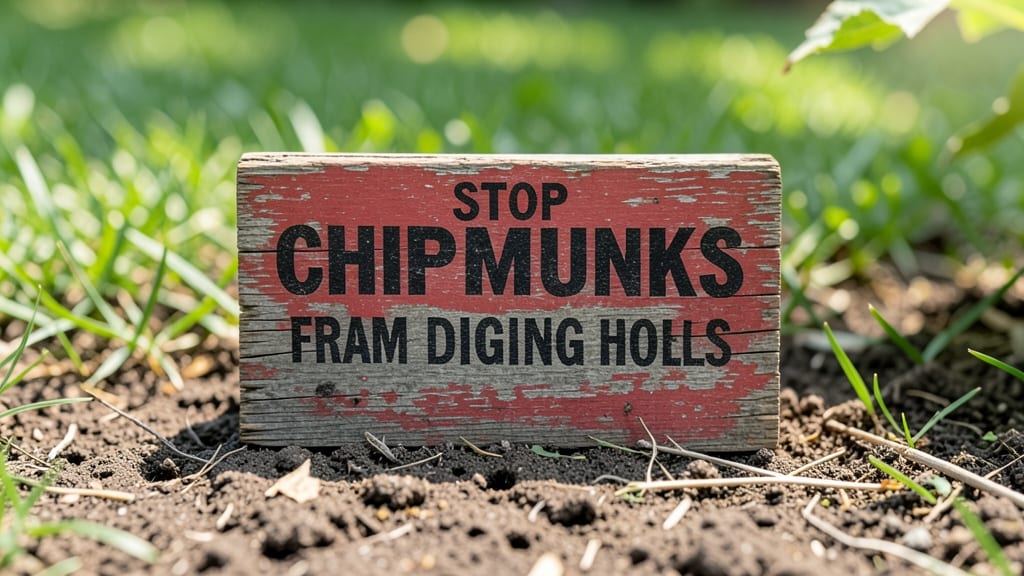
How to stop chipmunks from digging holes in your lawn—it’s the question every homeowner asks after stumbling over yet another tunnel. 🌱 These tiny diggers turn grass into a maze of holes overnight, and the worst part? They’re not even eating your plants, just storing seeds for winter. I’ve lost count of the times I’ve tripped over their tunnels, only to find fresh dirt mounds the next morning.
The good news? You don’t need traps or toxic bait to stop them. Trail-blocking bait stations (filled with unsalted peanuts or sunflower seeds) lure them away from your lawn while keeping them contained.
Pair that with physical barriers like hardware cloth buried 12 inches deep around garden edges, and you’ll see fewer tunnels within a week. The key is consistency—chipmunks are stubborn but predictable.
By spring, your lawn will look like yours again—no more sinkholes or chewed bulbs. The stations work because they satisfy their instinct to forage without damaging your yard. Plus, you’ll start noticing fewer chipmunks entirely once they realize your lawn isn’t their personal storage unit.
Works for both small yards and larger properties, and it’s 100% humane. No harm, just redirection. Let’s get those tunnels filled back in with grass instead of dirt.
Root Causes of Lawn Digging
Chipmunks may seem like harmless little critters, but when they start tunneling through your lawn, they can turn your yard into a maze of destruction. Understanding why they dig is the first step to stopping them. Here’s a breakdown of the key reasons behind their burrowing behavior:
Chipmunks are omnivorous foragers, and their digging is often a survival strategy to uncover food. Their natural diet includes:
- Seeds and nuts – Buried acorns, walnuts, and sunflower seeds are a chipmunk’s pantry. They’ll dig to retrieve hidden stashes or uncover fresh ones.
- Insects and grubs – Lawns teem with larvae, beetles, and worms—easy, protein-rich meals. A single chipmunk can dig up to 200 holes per day in search of these snacks.
- Vegetation and roots – Young shoots, bulbs, and even garden plants become targets, especially in early spring when food is scarce.
Actionable insight: If your lawn has thick grass or unmowed patches, chipmunks may dig deeper to access roots or hidden seeds. Later steps will show how to remove these temptations.
Chipmunks are solitary but territorial, and they need secure nesting sites—especially during mating season (spring) and harsh weather (winter). Your lawn might be their ideal spot because:
- Soft, loose soil – Easy to excavate, providing insulation and protection from predators like hawks or domestic cats.
- Undisturbed areas – Chipmunks avoid high-traffic zones, so overgrown grass, flower beds, or mulch piles become prime real estate.
- Proximity to food – If they’ve already found a food source (like your bird feeder spills), they’ll expand their burrow network nearby.
Key detail: A single chipmunk can create multiple burrows (up to 10!) with interconnected tunnels—some as deep as 3 feet. If you see one hole, there’s likely a whole underground city beneath your lawn. 🕳️
Chipmunks are highly territorial, and digging serves as a way to:
- Establish boundaries – Males dig and scatter dirt to mark their territory, especially during breeding season (March–May). Females may also dig to create nesting chambers.
- Attract mates – Freshly dug tunnels and mounds signal to other chipmunks that the area is active and safe.
- Deter rivals – The more holes they create, the harder it is for other chipmunks to invade their space.
Pro tip: If you notice new holes appearing in clusters during spring, it’s likely due to mating behavior—not just hunger. Seasonal patterns play a huge role in their digging habits.
Chipmunks don’t dig year-round—they’re opportunistic excavators influenced by:
| Season | Why They Dig | What to Watch For |
|---|---|---|
| Spring | Mating season + emerging grubs/insects. Females dig nests for litters (born in May–June). | Sudden explosion of holes near food sources (e.g., bird feeders, compost piles). |
| Summer | Food scarcity drives them to dig for deep grubs. Also, they may relocate nests if disturbed. | Holes near irrigated or moist areas (chipmunks love damp soil for burrowing). |
| Fall | Food caching—burying nuts/seeds for winter. Also, preparing hibernation nests. | Holes near tree bases or garden edges where seeds are plentiful. |
| Winter | Minimal digging (they hibernate), but existing burrows may collapse or be visible due to frost. | Fresh holes are rare, but old mounds may reappear if snow melts. |
Critical note: If your lawn is overwatered or compacted, chipmunks will dig deeper to escape soggy conditions. Improving soil health can make your yard less appealing to them.
Now that you know why chipmunks are turning your lawn into a Swiss cheese board, the next steps focus on how to outsmart them—without harming these clever (if pesky) creatures. 🐿️🚫
Quick Fixes for Chipmunk Chaos
Chipmunks may be tiny, but their digging habits can leave your lawn looking like a lunar landscape. The good news? With the right strategies, you can reclaim your yard—without resorting to traps or harsh chemicals.
Below, we’ve mapped out practical, humane solutions tailored to the why behind their behavior. Whether they’re nesting, foraging, or just being mischievous, these fixes will help you stop the damage and prevent future excavations.
🚧 Block Their Access Points
If chipmunks are already tunneling, fill in shallow holes with sand or gravel (they dislike the texture).
For deeper burrows: - Use a trowel or shovel to gently pack soil back into the hole. - Add a layer of hardware cloth (¼-inch mesh) over the area before replacing dirt—this deters them from re-digging. - Pro Tip: 💡 Water the patched area lightly to help the soil settle and discourage further digging.
🌱 Remove Their Food Incentives
Chipmunks dig to cache food (seeds, nuts, or fallen fruit).
To break the cycle: - Clear debris from your lawn—rake up leaves, twigs, and fallen nuts. - Store birdseed and pet food in metal or chipmunk-proof containers (they’ll gnaw through plastic). - Plant chipmunk-resistant ground covers like clover or creeping thyme—these are less appealing for digging.
🏡 Disrupt Nesting Sites
If they’re burrowing for shelter:
- Install a small wire mesh barrier (like hardware cloth) around garden beds or near structures.
- Place a few large rocks or logs near their favorite digging spots—they’ll avoid the uneven terrain.
- Offer alternative nesting spots (like a wooden chipmunk house in a quiet corner of your yard).
🌿 Modify Your Landscape Chipmunks love soft, loose soil and low-lying areas.
Make your yard less inviting: - Aerate compacted lawns—this makes digging harder for them. - Add mulch or pebbles to garden beds (they dislike crunchy surfaces). - Plant taller grasses or shrubs near entry points—they’ll avoid areas with poor visibility.
🍽️ Use Natural Deterrents (Without Harm)
Skip the poison—opt for humane repellents that chipmunks hate:
- Spray peppermint oil or vinegar around the perimeter (reapply after rain).
- Place predator urine (coyote or fox) near digging hotspots—**🚫 Note: Only use commercial products, not DIY versions.
- Set out wind chimes or solar-powered motion lights—the noise and movement scare them off.
🔄 Install Physical Barriers
For high-risk zones (like vegetable gardens or patios):
- Bury hardware cloth (¼-inch mesh) 6 inches deep around the perimeter.
- Use raised garden beds—chipmunks can’t dig through thick wood or metal edges.
- Lay down landscape fabric under mulch in garden beds to block tunneling.
🎯 Trail-Blocking Bait Stations (The Smart Trap-Free Option)
If chipmunks keep returning, redirect their paths with bait stations filled with:
- Pet-safe gravel or coarse sand (they’ll avoid the texture).
- Crushed eggshells (sharp edges deter digging).
- A mix of cayenne pepper and flour (sprinkle lightly—it’s harmless but unpleasant for them).
💡 Pro Tip: Place these stations along their most active trails—chipmunks will quickly learn to avoid them.
- Inspect your lawn weekly for new holes—early action prevents deep tunnels.
- Reapply deterrents seasonally (especially before spring nesting season).
- Keep cats indoors—while they may help, they can also dig up your lawn chasing chipmunks.
By combining immediate fixes with long-term prevention, you’ll restore your lawn’s beauty while keeping chipmunks happy (and digging elsewhere). No more craters—just a smooth, chipmunk-free landscape**! 🌱✨
Frequently asked questions
Why do chipmunks dig so many holes in my lawn?
Chipmunks dig primarily for food (grubs, seeds, and insects) and to create nesting tunnels. A single chipmunk can make up to 200 holes per day! They also dig to mark territory or store winter food supplies. If you see clusters of holes in spring, it’s likely mating season behavior.
Are there humane ways to stop chipmunks from digging?
Try these chipmunk-friendly methods: bury hardware cloth around garden edges, place predator urine (commercial only) near digging spots, or use trail-blocking bait stations filled with gravel. Avoid poison or traps—focus on redirecting their digging to less destructive areas.
What’s the best time of year to address chipmunk digging?
Spring (March-May) and fall (September-November) are critical times. In spring, they dig for nesting and food, while fall is their food-caching season. Start prevention in early spring before holes become deep and persistent. Reapply deterrents after rain or seasonal changes.
Will filling in holes actually work long-term?
Only temporarily! Chipmunks will return to the same spots if food sources remain. Pair filling holes with removing debris (leaves, nuts) and installing barriers. For lasting results, combine physical deterrents with habitat modification—like planting chipmunk-resistant ground covers.
Can I use peppermint oil to repel chipmunks?
Yes! Chipmunks dislike strong scents. Mix 10-15 drops of peppermint oil with water in a spray bottle and apply around digging hotspots. Reapply every 2-3 days or after rain. For extra protection, combine with hardware cloth barriers—this two-pronged approach works best.