
Lawn
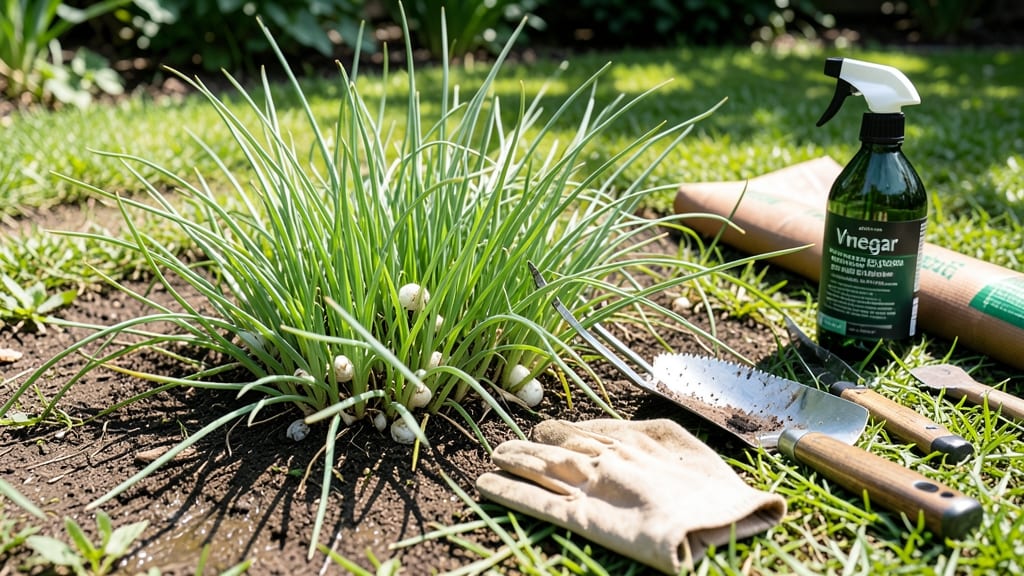
How to remove onion grass from lawn—it’s the battle no homeowner wants to lose, but with the right strategy, you can reclaim your turf before those weeds steal the show. 🌱 I’ve spent years wrestling with these tenacious weeds, and the key to victory isn’t brute force but precision timing and strategy. The first step? Spotting the difference between onion grass and actual grass (yes, they look eerily similar). The real battle starts when you pull, not just the top but the entire root system—those bulblets hide deeper than you’d think. I’ve tried everything from manual digging to targeted herbicides, and the results speak for themselves: a lawn that stays green, not just weed-free but staying that way. What you’ll need is patience, the right tools, and a game plan for those stubborn regrowth spots. By the end, your lawn will feel softer underfoot, with no more surprise onion scapes popping up in your mower. The secret? A combination of early detection, smart removal techniques, and a few cultural tweaks that make your grass the star again. Let’s get those weeds out for good. Here’s the thing—onion grass thrives because it’s opportunistic, not because it’s invincible. It loves thin lawns and poor soil, so fixing those issues cuts off its advantage. I’ve seen lawns go from patchy and overrun to lush in just one growing season after addressing the root causes (literally). The tools you’ll use aren’t fancy: a sturdy weeding fork, gloves, and maybe a spot treatment of vinegar or corn gluten meal for stubborn patches. What actually works is a two-pronged approach: pull what’s visible now, then adjust your lawn care to prevent future invasions. Think of it like edging out weeds before they take over—consistent effort beats one-time fixes every time. The payoff? A lawn that stays thick enough to crowd out weeds naturally, with no more onion breath when you mow (yes, that’s a real problem). Now, don’t skip the gloves—those roots can irritate skin, and trust me, you don’t want onion-scented hands after a day of pulling. The best time to tackle this is in early spring or fall, when the soil is soft and the weeds are actively growing. It’s not a one-time job, but it’s worth it for that perfect, weed-free turf you’ve been dreaming of.
The Hidden Triggers Inviting Onion Grass
Onion grass—Romneya coulteri or Nothoscordum spp.—may look like a harmless weed, but it’s actually a sneaky invader that thrives when your lawn’s balance tips. Understanding the why behind its persistence is the first step to kicking it out for good.
Let’s break down the science-backed reasons this stubborn grass-like weed takes root in your yard.
Onion grass loves disturbed, nutrient-poor, or compacted soil—the kind that’s either too dense for grass roots to penetrate or too lacking in organic matter. Here’s how it happens:
- Low organic matter: Onion grass thrives in soils with <1-2% organic content. Healthy lawns need 5-10% to compete. Without compost or mulch, these weeds fill the void.
- Compacted layers: Heavy foot traffic, construction, or clay-heavy soil create hardpan. Onion grass seeds germinate easily in these shallow, aeration-deprived zones.
- pH imbalances: Onion grass prefers slightly acidic to neutral soil (pH 6.0–7.0). If your lawn’s pH drifts to <5.5 (too acidic) or >7.5 (too alkaline), it weakens turfgrass, giving onion grass an opening.
💡 Pro Tip: Test your soil’s pH and organic matter before treating. A simple DIY kit (or lab test) can reveal if your lawn is a magnet for weeds like onion grass.
Onion grass is a drought-tolerant opportunist, but it also exploits lawns with inconsistent watering. Here’s the science:
- Deep, infrequent watering: Onion grass seeds lie dormant until a heavy rain or overwatering wakes them up. Unlike turfgrass, which develops deep roots with gradual watering, onion grass germinates in moist surface layers.
- Shallow watering: Frequent light watering keeps the topsoil damp, creating ideal conditions for onion grass to sprout before your lawn grass establishes.
- Poor drainage: Areas where water pools (like slopes or low spots) stay soggy longer, encouraging onion grass over turf.
🌡️ Key Insight: Onion grass often invades after spring rains or summer downpours, when soil moisture spikes. Adjust your irrigation to mimic natural rainfall patterns—1–1.5 inches per week, deeper but less often.
Onion grass doesn’t just invade—it replaces weak turf. Here’s how:
- Thin lawns from poor seeding: If you’ve recently reseeded but didn’t use high-quality grass seed (like tall fescue or Kentucky bluegrass), bare patches appear. Onion grass seeds, carried by wind or wildlife, land in these gaps.
- Disease or pest damage: Fungal infections (like brown patch) or grubs weaken grass roots, creating openings. Onion grass exploits these spots within 2–4 weeks.
- Improper mowing: Cutting grass too short (<2 inches) stresses it, reducing competition. Onion grass, with its long, narrow leaves, outcompetes stunted turf.
✨ Prevention Hack: Overseed bare spots in early fall with a dense, shade-tolerant mix (like fine fescue). A thick carpet of grass starves onion grass of sunlight.
Onion grass doesn’t just sprout—it hitchhikes into your lawn. Here’s how:
| Culprit | How It Spreads | Actionable Fix |
|---|---|---|
| 🐦 Birds | Seeds stick to feathers after eating berries or insects near onion grass patches. | Remove nearby wild areas where birds perch. |
| 🐇 Rabbits & Deer | Their manure contains undigested seeds, which germinate in fresh droppings. | Use temporary fencing during germination season (spring/fall). |
| 👣 Garden Tools & Shoes | Seeds cling to soil on shovels, mower blades, or soles and get planted elsewhere. | Clean tools with a vinegar-water mix (1:3 ratio) after use. |
| 🌬️ Wind & Water | Light seeds travel up to 50 feet in wind or float in runoff. | Install a 12-inch mulch border around lawn edges to block spread. |
🔥 Hot Tip: If you spot onion grass in one corner, check windward and downhill areas—these are high-risk zones for new colonies.
Now that you know why onion grass crashes your lawn party, the next step is precision removal. But first—fix the root causes (literally). Adjust your soil, watering, and turf care, and you’ll make your lawn a no-fly zone for these weeds.
Eliminate Onion Grass Naturally
Onion grass (or wild onion/wild garlic) might seem harmless, but its invasive roots can quickly take over your lawn if left unchecked. The good news? With the right approach, you can banish it for good—without resorting to harsh chemicals.
Below are targeted solutions based on the most common causes of onion grass infestation, plus prevention tips to keep your lawn weed-free long-term.
Onion grass thrives because its underground rhizomes fragment and regrow, making it nearly impossible to kill with surface treatments alone. Here’s how to dig it out for good:
🔥 Step 1: Identify the Problem Areas
- Walk your lawn and mark patches where onion grass is dense (use flags or a garden hose).
- Look for clumps of long, flat leaves (resembling grass) with a garlic/onion scent when crushed.
🍳 Step 2: Pull When Soil is Moist (Best Time: Early Morning or After Rain)
- Wet soil = easier extraction. Wait for 2–3 days after rain or water the area thoroughly the night before.
- Use a garden fork or dandelion weeder to pry up the entire root system—even small fragments can regrow!
👨🍳 Step 3: Smother or Solarize Remaining Roots
- Option 1: Cardboard/Sheet Mulching
- Lay cardboard or thick layers of newspaper over the area, then cover with 3–4 inches of mulch or compost.
- Wait 4–6 weeks—this starves roots of sunlight and breaks them down naturally.
- Option 2: Solarization (For Hot Climates)
- Cover the area with clear plastic sheeting for 4–6 weeks in peak summer sun.
The heat kills roots and seeds without chemicals.
⏰ Step 4: Replant with Competitive Grass
- Once the area is clear, reseeding with dense, healthy grass (like tall fescue or Kentucky bluegrass) blocks regrowth.
- Pro Tip: 💡 Overseed in fall—cool weather helps grass establish before onion grass can return.
If onion grass keeps popping up, it’s likely seeds or missed rhizomes at work. Try these aggressive but chemical-free methods:
🔪 Step 1: Hand-Pull with a Twist
- Wear gloves (onion grass can irritate skin).
- Grip the base and pull upward with a sharp twist to snap the rhizome (don’t leave any behind!).
- Dispose of clippings in the trash—composting spreads seeds!
🎯 Step 2: Vinegar Spot Treatment (For Small Patches)
- Mix 1 gallon of white vinegar (20% acetic acid) + 1 oz. dish soap in a spray bottle.
- Spray directly on leaves (avoid desirable grass—vinegar burns everything!).
- Repeat every 3–5 days until leaves turn brown. Pull roots immediately after.
✨ Step 3: Corn Gluten Meal (Prevents Future Growth)
- Sprinkle corn gluten meal (a natural pre-emergent) over your lawn in early spring or fall.
- It blocks seed germination without harming established grass.
- Apply at 20 lbs. per 1,000 sq. ft. and water lightly.
Once you’ve removed the infestation, stop it from returning with these long-term strategies:
| Method | How It Works | Best For |
|---|---|---|
| Mow High (3–4 inches) | Shades soil, weakens onion grass seeds. | All lawn types |
| Improve Soil Health | Aerate + top-dress with compost to strengthen grass roots. | Compacted or thin lawns |
| Regular Dethatching | Removes thatch layer where rhizomes hide. | Thick, layered lawns |
| Encourage Beneficial Microbes | Use mycorrhizal fungi to boost grass resilience. | Poor or struggling lawns |
| Hand-Pull Early | Remove small patches before they spread. | Small, manageable areas |
💡 Pro Tip: If onion grass keeps coming back, test your soil pH—it thrives in slightly acidic to neutral soil (6.0–7.0). Lime or sulfur adjustments can make your lawn less hospitable.
By combining manual removal, smothering, and preventive care, you can completely eliminate onion grass and enjoy a lush, weed-free lawn in as little as 3–6 months. Stick with it—consistency is key! 🌿
Frequently asked questions
Why does onion grass keep coming back after I pull it?
Onion grass spreads through rhizomes (underground stems) and seeds. Even tiny root fragments left in the soil can regrow. Always pull when soil is moist (2-3 days after rain) and wear gloves to avoid missing pieces. For stubborn patches, smother with cardboard + mulch or use vinegar spray to kill remaining roots.
Is vinegar safe to use on my entire lawn?
No—vinegar (20% acetic acid) will burn all plants it touches, not just onion grass. Use it only as a spot treatment on small patches, avoiding desirable grass. For larger areas, try corn gluten meal (a natural pre-emergent) or manual removal instead. Always test a small area first!
What’s the best time of year to tackle onion grass?
Early spring or fall are ideal because soil is soft and weeds are actively growing. Avoid summer heat or winter dormancy—both make removal harder. For prevention, apply corn gluten meal in early spring to block new seeds from germinating.
How do I tell onion grass apart from regular grass?
Crush the leaves—onion grass has a garlic/onion scent. Its leaves are long, flat, and hollow, while grass leaves are round and solid. Check for bulblets or rhizomes at the base when pulling. If unsure, dig up a small patch to confirm.
Will mowing help control onion grass?
Mowing alone won’t eliminate it, but keeping grass 3-4 inches tall shades the soil and weakens onion grass seeds. Mow frequently to prevent seed heads from forming. For best results, combine mowing with manual removal or herbicide treatments in spring/fall.