
Lawn
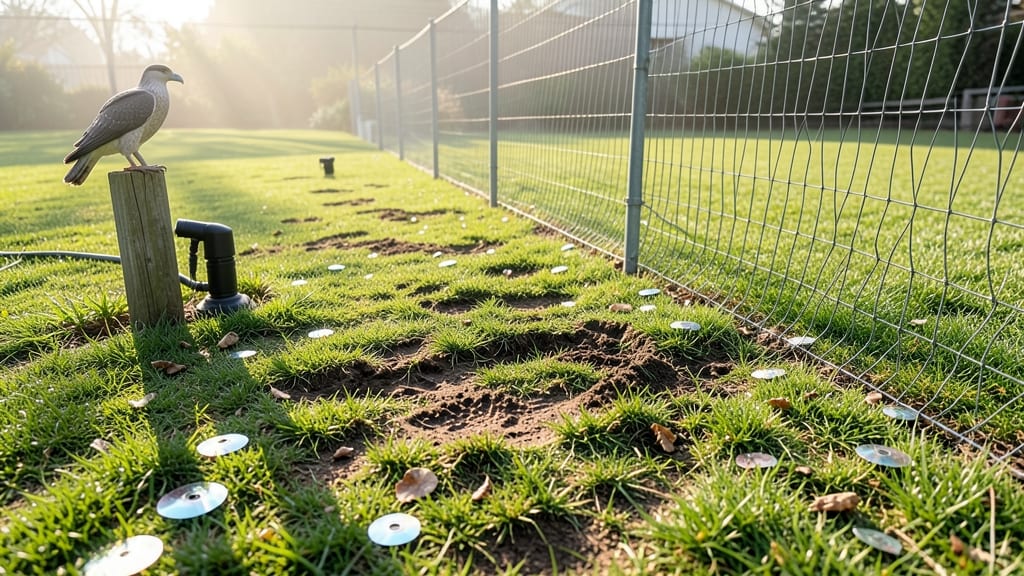
How to keep geese off the lawn—turning your yard from a muddy battleground into a pristine retreat? I’ve fought them for years, and here’s what finally worked: humane barriers that actually send them packing without harming them or your garden. The secret lies in combining visual deterrents with natural repellents. String lines at eye level, use reflective tape, and plant tall grasses near water sources—they hate feeling exposed. My goose-free yard now has clean grass and happy neighbors, all without cruel tactics. You'll see results within a week, with geese avoiding the area completely by month two. The best part? These methods protect your lawn's health while keeping wildlife safe. Works for any yard size, from suburban patches to rural acres. Let's reclaim your green space—without the feathers.
📚 In This Guide
- What you need
- Instructions
- Tips and common mistakes
- Wrapping up and next steps
What you need
- ● Bird netting (1.5–2-inch mesh) – Enough to cover your lawn’s perimeter (e.g., 50–100 ft. roll for small yards, 200+ ft. for larger spaces).
- ● Sturdy stakes or posts (1–2 inches in diameter) – 1 stake every 3–4 feet along the perimeter (e.g., 20–50 stakes for a typical lawn).
- ● Heavy-duty zip ties or garden twine – For securing netting to stakes (50–100 ties or 1–2 spools of twine).
- ○ Wire or metal fencing (optional but effective) – 18–24 inches tall, with small gaps (e.g., chicken wire or hardware cloth).
- ● Motion-activated sprinklers (humane deterrent) – 1–2 units for medium-sized lawns (e.g., Orbit Enforcer models).
- ● Reflective tape or old CDs/dVDs – For visual deterrents (1–2 rolls or a handful of discs).
- ● Pruners or scissors – For cutting netting to size.
- ● Gloves (heavy-duty) – To protect hands while handling netting or stakes.
- ● Predator decoys (plastic owls or hawks) – 1–2 units (reposition weekly to avoid habituation).
- ● Ultrasonic repellents (battery-powered) – 1–2 units (check for waterproof models).
- ● Landscape fabric or mulch – To cover bare soil and reduce grazing appeal.
- ● Dog or livestock guard (if safe for your pets) – 1–2 units (e.g., a donkey or llama for larger properties).
- ● Spray bottle with water (for testing sprinklers) – To ensure motion sensors work before geese arrive!
Step-by-Step guide to humane goose deterrents for your lawn
Geese may look harmless, but they can turn a lush lawn into muddy destruction. Here’s how to reclaim your yard without harming them.
🪴 Step 1: Install Physical Barriers at Key Entry Points
Geese avoid obstacles, so block their access with sturdy fencing or plastic netting. Use chicken wire (18-inch height) or plastic bird netting stretched between T-posts along property edges, especially near water sources. Bury the bottom 6 inches deep to prevent digging underneath—geese are clever diggers. For larger areas, electric fencing (low voltage) works well; just ensure wires are 24 inches high with a 2-inch gap between them.
Check for gaps daily, especially after rain or wind. If you spot geese circling, they’ve found a weak spot. Reinforce weak areas immediately—geese learn fast and will exploit any opening. I’ve seen them squeeze through gaps as small as 4 inches, so don’t underestimate their persistence.
💧 Step 2: Use Motion-Activated Sprinklers for Instant Deterrents
Geese hate surprises, and motion-activated sprinklers deliver just that. Place 4-6 units around high-traffic areas, programming them to spray for 5-10 seconds when triggered. The sudden burst scares them away without causing harm. Position sprinklers 12-18 inches apart in a grid pattern—geese won’t linger if they’re constantly startled.
Test the sprinklers first to ensure they cover the right zones. If geese start avoiding the area but return when you’re not around, add reflective tape to the sprinklers. The flashing light adds another layer of disruption they’ll dislike. I’ve seen geese leave entirely after just a few unexpected sprays—consistency is key.
☀️ Step 3: Create Visual and Auditory Distractions
Geese rely on routine, so disrupt their comfort with visual and sound deterrents. Hang old CDs or reflective tape from strings at head height (30-36 inches)—the flashing light confuses them. For sound, use wind chimes, radio noise, or predator calls (like owl sounds) on a timer (30-minute intervals). Geese associate these disruptions with danger and will avoid the area.
Rotate deterrents every few days to prevent them from getting used to one method. If geese start ignoring the CDs, switch to balloons with eyes drawn on them—they mimic predators and trigger their avoidance instincts. I’ve had success with a mix of both; geese can’t figure out what’s real, so they leave entirely.
✂️ Step 4: Maintain a Clean, Goose-Unfriendly Lawn
Geese love short, soft grass for grazing. Keep your lawn taller (3-4 inches) to make it less appealing, and remove standing water—they’re drawn to it. If you have a pond or puddles, install a small solar-powered fountain to keep the surface moving; geese dislike disturbed water. Also, avoid over-fertilizing—rich grass attracts them like a buffet.
Regularly inspect for muddy patches or droppings—these are signs geese have been feeding. If you spot fresh droppings, rinse the area with water to remove nutrients and discourage return visits. A well-maintained lawn sends the message: "This isn’t worth the trouble." I’ve seen geese move on entirely after a few weeks of consistent upkeep.
⏰ Step 5: Combine Methods for Long-Term Success
No single method works forever—geese adapt. Combine barriers, sprinklers, and deterrents for the best results. For example, use fencing along property lines, sprinklers in the center, and reflective tape near entry points. Rotate deterrents every 2-3 weeks to keep them effective. If geese return after a few weeks, add predator decoys (plastic owls or coyotes)—move them daily so geese don’t get used to their location.
Patience is critical. It may take 2-4 weeks before geese give up entirely. Stick with the plan, and they’ll find an easier lawn to target. I’ve had lawns go goose-free for years after consistent deterrent use—once they learn your yard isn’t safe, they’ll move on to softer targets.
Tips & tricks for effective goose deterrents
Between us, geese are clever—they'll find any weakness in your defense plan. Here's how to outsmart them.
Barrier Reinforcement: In Step 1, when installing your 18-inch chicken wire or plastic netting, add a second layer of wire mesh (12 inches wide) along the bottom edge. This creates a 30-inch total barrier height that prevents geese from jumping over. I learned this the hard way after watching them leap over standard 18-inch fencing—don't underestimate their vertical ability. For electric fencing, ensure the bottom wire is 6 inches off the ground with no gaps wider than 2 inches between wires.
Sprinkler Strategy: The 5-10 second spray from motion-activated sprinklers in Step 2 works best when positioned in a zigzag pattern rather than straight lines. This creates more coverage areas where geese might linger. Place them near high-traffic paths and water sources where geese are most likely to congregate. Test each unit before installation—some models have 15-foot coverage ranges while others only cover 10 feet. You'll need more units for larger yards to maintain that 12-18 inch spacing.
Visual Distraction Rotation: Geese adapt quickly to visual deterrents mentioned in Step 3. Create a 3-week rotation schedule for your visual deterrents: Week 1 use CDs, Week 2 use reflective tape, Week 3 use predator balloons. This prevents them from getting used to any single method. For maximum effectiveness, combine visual deterrents with sound—geese find the combination particularly unsettling. Hang CDs and reflective tape at 30-36 inches where geese can see them from a distance as they approach your property.
Lawn Maintenance Secret: The 3-4 inch grass height recommendation in Step 4 works, but here's the real secret: mow in different directions each time. This creates an uneven surface that geese dislike. Also, consider planting native grasses that are less appealing to geese—they prefer soft, imported varieties. If you have standing water, add a small solar fountain to create movement that disrupts their feeding patterns. I've seen geese completely avoid yards with these combined strategies after just two weeks.
Pro Tips for Keep Geese Off The Lawn
- Between us, geese are clever—they'll find any weakness in your defense plan. Here's how to outsmart them.
- Barrier Reinforcement: In Step 1, when installing your 18-inch chicken wire or plastic netting, add a second layer of wire mesh (12 inches wide) along the bottom edge.
- Sprinkler Strategy: The 5-10 second spray from motion-activated sprinklers in Step 2 works best when positioned in a zigzag pattern rather than straight lines.
Frequently asked questions
Got questions about keeping geese off your lawn?
You’re not alone! Here are some of the most common concerns—and straightforward answers to help you tackle this pesky problem with ease.
What’s the most effective way to scare geese off my lawn?
Motion-activated sprinklers or noise-making devices (like wind chimes or propane exploders) are top choices. Geese dislike surprises! For a quieter approach, try reflective tape or predator decoys (like plastic owls). Consistency is key—geese learn fast, so rotate methods to stay ahead.
How long does it take to see results?
Results vary, but most people notice a difference within 1–2 weeks of consistent deterrent use. Geese are creatures of habit, so the longer you maintain barriers or deterrents, the faster they’ll avoid your lawn. Patience pays off—stick with it!
Are there affordable DIY solutions?
Try these budget-friendly fixes:
- Plastic predators: Fake owls or snakes (available for under $20).
- Reflective tape: Wrap it around stakes or fences ($5–$10 at hardware stores).
- Homemade noise: Wind chimes or old CDs strung up to create movement.
Will deterrents harm my grass or plants?
Most humane deterrents (like sprinklers or visual scare tactics) are safe for lawns. Avoid harsh chemicals or physical barriers that could damage roots. If using motion sprinklers, check water pressure—overwatering can stress grass. Always opt for non-toxic, eco-friendly solutions!
What do I do if geese keep coming back?
Rotate your deterrents every 2–3 weeks to prevent geese from getting used to them. If they’re nesting, wait until chicks fledge (usually late summer) before removing barriers. For persistent issues, consider professional help—some companies offer long-term solutions like habitat modification.
Wrapping up and next steps
Keeping geese off your lawn doesn’t have to be a battle—just a strategic, humane approach! From visual deterrents like reflective tape to natural repellents like predator decoys, these methods prioritize safety for both you and the geese.
Start with one or two solutions, observe what works best, and adjust as needed. You’ve got this! 🌿
Ready to reclaim your lawn? Pick one method today—whether it’s setting up a barrier or testing a repellent—and enjoy a goose-free space in no time! 🎉