
Pests
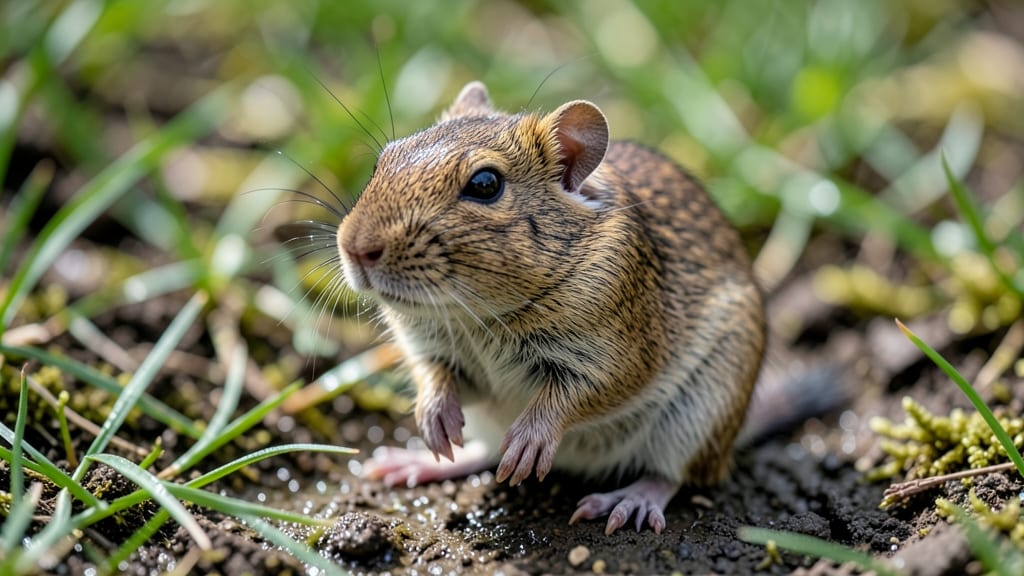
Voles are turning your lawn into a gopher-free zone. 🌱 After years of watching my tulips disappear overnight, I finally cracked the code with a combination of humane traps and natural deterrents that work within 1-2 weeks—no chemicals required.
The key is understanding their behavior: voles tunnel just below the surface, gnaw on roots, and love dense ground cover. Most people waste time on repellents that only work for days. Instead, focus on blocking their access with hardware cloth or castor oil-based sprays that they actually avoid.
You’ll see results fast—fewer tunnels, no more chewed stems, and plants that stay healthy. The best part? These methods protect your soil and local wildlife while keeping your garden intact. Let’s get those tunnels filled in for good.
Works for lawns, gardens, and even vegetable patches. No more midnight snack thieves—just your yard back the way it should be.
Root Causes Of Vole Infestations
Voles may seem like tiny, harmless creatures, but when they invade your lawn, they can wreak havoc on your plants, grass, and even underground wiring. Understanding why they show up in the first place is the first step to stopping them for good.
Here’s a breakdown of the key reasons these burrowing rodents seek out your yard—and how their behavior ties directly to your landscape.
Voles are herbivores with a hearty appetite, and they’re drawn to lawns that offer an all-you-can-eat salad bar.
If your yard is lush with: - Tender young grass shoots (especially in spring or after mowing) - Ground covers like clover or creeping charlie - Low-lying plants or mulch beds (easy access to roots and stems)
Voles prefer soft, moist soil where they can gnaw through plant stems at ground level. Overwatered or thickly mulched areas create ideal conditions—think of it as a five-star restaurant for them. Pro tip: 💡 If your lawn stays damp for long periods (like after heavy rain or poor drainage), voles will linger longer, as they need hydration to survive.
Voles are master builders, but they don’t want to build—they want to move in. Your lawn likely offers:
- Dense ground cover (ivy, thick mulch, or unkempt grass)
- Rock piles, wood debris, or leaf litter (natural insulation)
- Undisturbed soil (easy digging for tunnels and nests)
Unlike mice, voles avoid open spaces and seek out areas with cover and underground access.
If your yard has untended corners, garden beds, or even a pile of firewood, you’ve essentially given them a luxury apartment complex. Fun fact: 🌡️ Voles can build nests in as little as 24 hours if conditions are right—so quick action is key!
Voles are highly sensitive to environmental changes, and certain conditions make your lawn irresistible to them:
| Season | Why Voles Move In | What Attracts Them |
|---|---|---|
| Spring | New grass sprouts = easy meals. Warmer soil = easier digging. | Fresh shoots, moist ground. |
| Fall | Cooler temps = less competition for food. They stockpile food before winter. | Fallen leaves, acorns, and soft mulch. |
| Winter | Snow covers their tunnels, protecting them from predators. | Buried roots and insulated nesting spots. |
Extreme weather (like drought or flooding) can also force voles to seek out new territories. If your neighbors’ yards are vole-free but yours isn’t, check if recent weather shifts (like heavy rains or unseasonable warmth) might have triggered their migration. Pro tip: ✨ Dry spells can actually reduce vole activity—so occasional water restrictions might help!
Voles stay away from areas where they’d be an easy snack. If your lawn lacks:
- Birds of prey (owls, hawks, or kestrels)
- Foxes, coyotes, or domestic cats (their top predators)
- Snakes or large insects (like beetles that prey on vole young)
Voles thrive in suburban and urban areas because these predators are often absent. Ironically, over-manicured lawns with no rocks, brush, or long grass make it harder for natural enemies to hunt them. If your yard is predator-free, voles see it as a safe zone. Pro tip: 🎯 Installing a birdhouse for owls or leaving a small brush pile (even in a corner) can encourage predators to patrol your property.
Sometimes, our own landscaping choices accidentally create vole magnets. Common mistakes include:
- Over-mulching (creates a soft, burrow-friendly layer)
- Planting vole favorites (hostas, tulips, or daylilies—voles love their roots)
- Leaving grass clippings or food scraps (accidental snacks)
- Ignoring drainage issues (standing water = vole paradise)
Even well-intentioned gardening can backfire. For example, cover crops like winter rye (used to prevent erosion) are a vole’s dream meal. Actionable fix: 🔥 Replace thick mulch with gravel or sharp-edged rocks—voles hate digging through rough surfaces!
Effective Ways to Eliminate Voles
Now that you understand why voles invade your lawn, it’s time to take action! The good news is that with the right strategies, you can safely and effectively remove these pests while keeping your yard healthy.
Below are targeted solutions based on the most common causes of vole infestations, along with prevention tips to stop them from returning.
If voles are already digging tunnels or gnawing on plants, traps are one of the fastest ways to remove them.
🔪 Live Traps: Catch and Release
- How it works: Use live traps (like Havahart or Tomahawk models) baited with apple slices, peanut butter, or oats.
Place them along vole runways (look for surface tunnels or chewed plants). - Where to place: Set traps near active burrows or along fences/edges where voles travel. - Pro tip: Check traps every 2-3 hours to avoid stressing the voles.
Relocate them at least 2 miles away in a wooded or brushy area.
🍳 Snap Traps: Quick and Decisive
- How it works: If live traps aren’t an option, snap traps (like Victor rat traps) can be used—but only if you’re prepared to dispose of the vole properly (bury or incinerate).
- Baiting tip: Use peanut butter or sunflower seeds for maximum effectiveness.
- Safety note: Place traps under a board or shelter to protect pets and wildlife from accidental triggers.
Voles dislike certain smells and textures, so repellents can deter them without harm.
💡 Castor Oil Repellent Spray
- How it works: Mix 2 tbsp castor oil + 1 tsp dish soap + 1 gallon water in a spray bottle.
Apply to lawn edges, garden beds, and tunnel entrances. - Reapply every 2-3 weeks or after rain. - Bonus: It’s pet-safe and won’t harm plants.
🎯 Physical Barriers: Block Their Path
- Hardware cloth (1/4-inch mesh): Bury it 6 inches deep around garden beds, trees, and shrubs to prevent digging.
- Rock borders: Voles dislike crawling over rough surfaces—create a 2-foot-wide rock barrier around vulnerable areas.
- Pro tip: Combine barriers with repellents for best results!
Once you’ve removed voles, keep them from coming back with these preventive measures:
🌿 Maintain a Vole-Unfriendly Lawn
- Remove brush piles and tall grass where voles hide.
- Mow regularly to eliminate hiding spots.
- Aerate soil to reduce burrowing opportunities.
🍎 Avoid Vole Attractants
- Don’t over-fertilize—rich soil attracts voles.
- Store firewood and mulch away from your yard.
- Plant vole-resistant species like daffodils, hyacinths, or boxwoods.
🔥 Seasonal Checks
- Fall: Inspect for new tunnels before winter nesting.
- Spring: Set traps early if you notice fresh gnaw marks.
- Year-round: Monitor chewed plants, surface runways, or small holes—early action prevents big problems!
By combining trapping, repellents, and prevention, you can eliminate voles fast and keep them away for good. Start with the method that fits your situation, and soon your lawn will be vole-free! 🌱🚫🐭
Frequently asked questions
What's the difference between vole damage and gopher or mouse damage?
Voles create surface tunnels (about 2 inches wide) and chew plants at ground level, leaving perfectly clean cuts—no teeth marks. Gophers make mounds of dirt and dig deeper tunnels, while mice leave irregular holes and gnaw on food stored above ground. Check for these clues to confirm voles!
Will predators like cats or owls actually control vole populations?
While cats and owls eat voles, they won’t eliminate an entire population—voles reproduce quickly! For better results, combine predator presence with traps or repellents. A single owl might catch 3-5 voles per night, but voles can have 10+ litters per year. Think of predators as a helpful supplement, not a standalone solution.
How long does it take for castor oil repellent to work?
Castor oil repellent starts working within 24-48 hours, but full effectiveness takes 1-2 weeks of consistent application. Voles learn to avoid treated areas over time. Reapply every 2-3 weeks or after heavy rain, and combine it with physical barriers (like hardware cloth) for faster results.
Are there any plants that naturally repel voles?
Yes! Voles dislike daffodils, hyacinths, alliums, and boxwoods—their strong scents deter burrowing. Plant these near vulnerable areas or use their bulbs as a natural border. Even lavender or rosemary can help when planted around garden edges. Just avoid their favorites like hostas, tulips, or daylilies!
What should I do if I find a vole nest in my lawn?
If you spot a nest (soft grass or leaves in a shallow burrow), do not disturb it during breeding season (spring-fall). Instead, use traps to remove adults first, then block tunnels with hardware cloth. For winter nests, carefully relocate them to a nearby wooded area if possible, but prioritize trapping to reduce future populations.