
Lawn
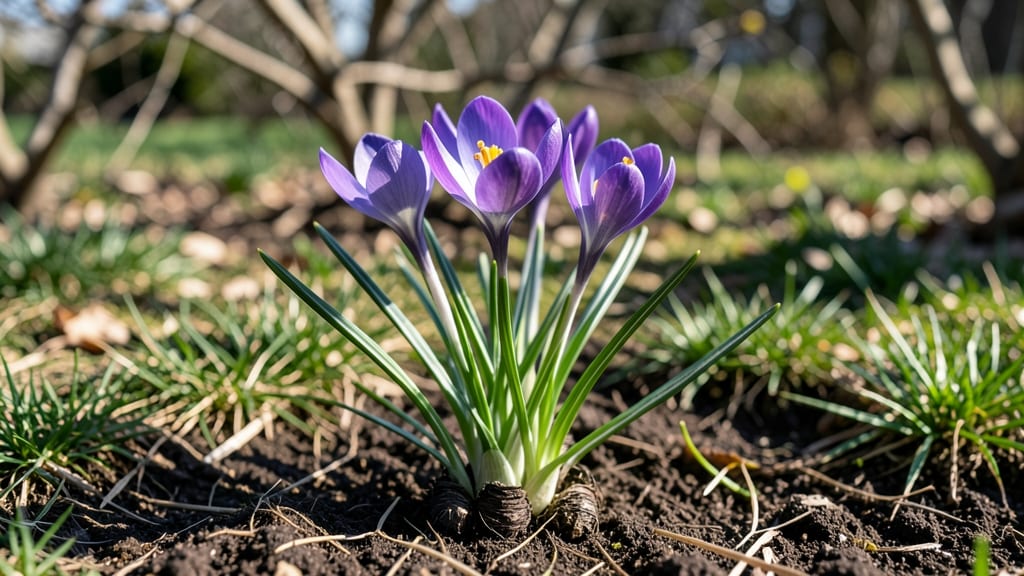
Planting growing crocus in lawn transforms dull winter grass into a carpet of purple, yellow, and white blooms by February. 🌱 I learned the hard way that timing and soil prep make all the difference—my first attempt produced sparse flowers because I planted too late and didn't loosen the soil enough.
The secret is working bulbs into the lawn 3-4 weeks before your first frost, when soil temperatures drop below 60°F. Use a bulb planter or trowel to make holes 3 inches deep and space them 2-3 inches apart—this mimics their natural woodland habitat.
Most gardeners overlook soil aeration, but crocus roots need good drainage to prevent rot.
By late winter, you'll see those first cheery faces pushing through snow or grass, signaling spring's arrival. The bulbs multiply over time, creating naturalized patches that bloom reliably year after year with minimal care.
Perfect for sunny lawns in zones 3-8, though they tolerate partial shade. Here's how to get started without the common pitfalls!
📚 In This Guide
- What you need
- Instructions
- Tips and common mistakes
- Wrapping up and next steps
What you need
- ● Crocus bulbs: Choose early-blooming varieties like Crocus vernus or Crocus tommasinianus. Buy 10–20 bulbs per square foot for a lush look.
- ● Well-draining soil: Crocus thrives in sandy loam with a pH of 6.0–7.0. Amend heavy clay with compost or perlite (1 part per 2 parts soil).
- ● Organic fertilizer: A balanced 10-10-10 or 5-10-10 (low nitrogen) to encourage blooms. Use 1 tbsp per 10 sq ft.
- ● Hand trowel or bulb planter: For precise planting (6–8 inches deep).
- ● Garden gloves: To protect hands while handling bulbs.
- ● Measuring tape or ruler: To space bulbs 3–4 inches apart.
- ● Watering can or hose with a gentle nozzle: Avoid over-saturating bulbs.
- ● Mulch (straw or shredded leaves): Protects bulbs in winter (1–2 inches).
- ● Epsom salt (magnesium sulfate): Boosts bloom production (1 tbsp per gallon of water, applied monthly).
- ● Lawn edging or decorative rocks: Keeps bulbs contained in designated areas.
- ● Plant labels: Track varieties if experimenting with colors!
Step-by-step instructions for planting crocus in your lawn
Here’s how to add cheerful spring color to your yard with minimal effort—just follow these simple steps.
🌱 Step 1: Choose the Right Time and Spot
Plant crocus bulbs in late summer or early fall, ideally 6-8 weeks before the ground freezes. This gives roots time to establish before winter. Pick a sunny area—crocus thrives in full sun to partial shade, but too much shade delays blooms. Avoid spots where grass grows thickly; thin or patch those areas first for better bulb access.
Test soil moisture by digging a small hole. If the soil feels dry, water it a day before planting. Crocus bulbs rot in soggy ground, so well-draining soil is key. If your lawn has heavy clay, mix in a handful of sand or compost when planting.
🪴 Step 2: Prepare the Soil and Plant the Bulbs
Use a small hand trowel to create holes 3-4 inches deep—about twice the height of the bulb. Space bulbs 3-4 inches apart in rows or clusters for a natural look. I like planting them in small groups of 3-5 bulbs for a pop of color. Place each bulb pointy side up—this ensures the stem grows upward.
Cover the bulb with soil, pressing gently to remove air pockets. Water lightly to settle the soil around the bulb. Don’t overwater now; the bulbs need time to root before spring. Mark the spot with a small stake or flag if you’re unsure where you planted them.
☀️ Step 3: Mulch and Protect Through Winter
Apply a 1-inch layer of mulch (straw, leaves, or pine needles) over the planting area to insulate the bulbs. This protects them from harsh winter freezes and keeps soil temperatures stable. In areas with extreme cold (below 10°F), add an extra layer of mulch or cover the spot with a thin blanket of burlap.
Leave the mulch in place until early spring—it’ll break down naturally and enrich the soil. Avoid heavy mulch in wet climates; too much moisture can cause rot. Watch for sprouts in late winter or early spring, usually when daytime temperatures rise above 40°F.
✂️ Step 4: Care for Blooms and Maintain the Lawn
Once flowers appear, let them bloom fully—don’t cut them back until the foliage yellows and dies back on its own. This process feeds the bulb for next year’s blooms. Water lightly during dry spells (about 1 inch per week), but avoid overwatering. Crocus stores energy in its leaves, not the flowers.
After blooming, mow the grass as usual, but leave the foliage until it turns brown. You’ll know it’s safe to cut when the leaves look crispy. Fertilize lightly in early fall with a low-nitrogen bulb food to encourage next year’s flowers. Over-fertilizing can harm the bulbs.
🌿 Step 5: Encourage Year-After-Year Blooms
Crocus multiplies over time, so you’ll see more blooms each year with minimal effort. If your lawn gets too thick, thin the grass in early fall to give bulbs better access to sunlight and nutrients. Avoid heavy foot traffic over planting areas—crocus bulbs are delicate and can get damaged.
Every 3-4 years, dig up and divide crowded clumps in early fall. Separate the bulbs and replant the healthiest ones in fresh spots. This keeps blooms vibrant and prevents overcrowding. With proper care, your crocus will return year after year, turning your lawn into a springtime spectacle.
Tips & tricks for perfect crocus planting in your lawn
Here's what I've learned after planting crocus in my own yard—these little tricks make all the difference for vibrant spring blooms.
Timing is Everything: The 6-8 week window before ground freeze is critical for root establishment. I always check my local frost date online and mark my calendar—this ensures bulbs get the perfect head start. If you're in a warmer climate where ground doesn't freeze, plant in early fall anyway for best results. The cooler temperatures trigger natural dormancy that's essential for spring blooming.
Soil Prep Secrets: For heavy clay soil, I mix in a handful of sand AND compost when planting—this creates ideal drainage while adding nutrients. The compost breaks down slowly, feeding the bulbs over time. If your soil feels too sandy, add a little peat moss instead. Remember, crocus bulbs hate soggy conditions, so well-draining soil is non-negotiable for their survival.
Winter Protection: That 1-inch mulch layer makes a huge difference in harsh winters. I use straw because it breaks down slowly and provides consistent insulation. In areas with extreme cold (below 10°F), I double up by covering the mulch with burlap—this extra layer can mean the difference between bulbs that survive and ones that freeze. Don't worry about removing it early; the mulch will naturally decompose by spring.
Post-Bloom Care: The most common mistake I see is cutting back foliage too soon. Let those leaves turn completely brown and crispy before mowing—this is how crocus stores energy for next year's flowers. I mark my calendar when blooms appear and set reminders to wait until the leaves are fully browned. This simple patience pays off with bigger, brighter blooms the following spring.
Pro Tips for Growing Crocus In Lawn
- Here's what I've learned after planting crocus in my own yard—these little tricks make all the difference for vibrant...
- Timing is Everything: The 6-8 week window before ground freeze is critical for root establishment. I always check my ...
- Soil Prep Secrets: For heavy clay soil, I mix in a handful of sand AND compost when planting—this creates ideal drain...
Frequently asked questions
Got questions about growing crocus in your lawn? You’re not alone! Here are answers to the most common concerns—so you can enjoy those cheerful blooms without the guesswork.
When is the best time to plant crocus in my lawn?
Plant crocus bulbs in fall, ideally 6–8 weeks before the first frost (September–November, depending on your zone). This gives roots time to establish before winter. Spring-planted crocus may bloom, but they’ll be weaker and less reliable. Pro tip: Aim for a soil temp of 50–60°F for best results!
Will crocus survive a harsh winter?
Most crocus varieties are hardy and thrive in winter, even in cold climates (Zones 3–9). They naturally dormant until spring, so no extra protection is needed. Just ensure they’re planted in well-draining soil to avoid rot. Exception: Tender species (like Crocus vernus) may need mulch in extreme cold.
Can I mow over crocus blooms, or will it damage them?
Yes! Crocus are tough and can handle light mowing after blooming (when leaves turn yellow). Avoid cutting them during bloom or while leaves are still green—they need those leaves to photosynthesize for next year’s flowers. Set your mower to 3–4 inches to protect them.
What can I plant with crocus for a fuller lawn?
Pair crocus with low-growing perennials like heuchera, ajuga, or creeping thyme for year-round color. For bulbs, try snowdrops (bloom earlier) or daffodils (bloom later). Avoid aggressive spreaders like creeping charlie, which can smother crocus. Bonus: Their early blooms attract pollinators!
Why aren’t my crocus blooming this year?
Common culprits: too much shade, over-fertilizing (crocus hate rich soil), or disturbed bulbs (from digging or aerating). Ensure they get full sun to partial shade and well-draining soil. If leaves turn yellow early, the bulbs may be hungry—plant a slow-release bulb fertilizer in fall next year.
Can I divide or transplant crocus bulbs?
Yes! Dig up clumps in early fall or late spring (after blooming). Separate bulbs gently and replant 2–4 inches deep. Crocus multiply quickly—transplanting keeps them vigorous. Warning: Avoid transplanting during peak bloom, or you’ll sacrifice next year’s flowers.
Wrapping up and next steps
Growing crocus in your lawn is a simple yet rewarding way to transform a dull winter landscape into a vibrant early spring show! 🌸 With just a little effort—choosing the right variety, preparing the soil, and timing your planting—you’ll enjoy bursts of color that signal the end of cold months. Don’t wait for next year: grab a shovel, pick your favorites, and get planting this fall for a stunning surprise in just a few months.
Ready to take the next step? Browse our guide to the best crocus varieties or join a local gardening group for tips and inspiration. Your lawn—and future spring visitors—will thank you!