
Lawn
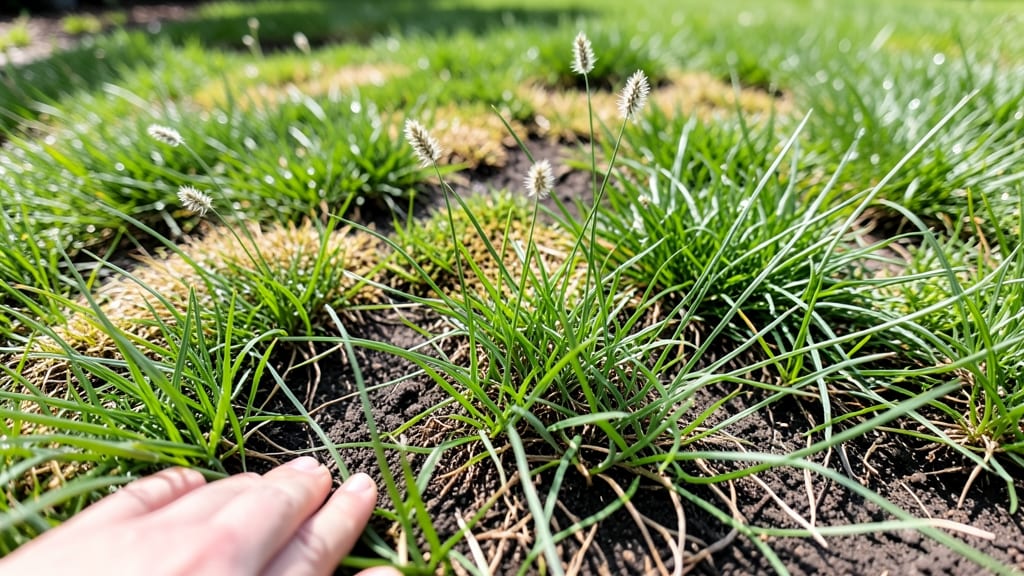
Those mysterious green patches in your lawn aren’t just an eyesore—they’re a sign your grass is fighting for its life. 🌱 I’ve battled fungal blight in my own yard, and the baking soda spray I discovered saved my lawn from turning into a patchwork of weak spots and moss.
The problem usually starts with too much shade, poor drainage, or overwatering—all of which create the perfect breeding ground for fungal spores. Most people reach for harsh chemicals, but that’s overkill when a simple baking soda solution can restore balance without harming your soil or pets.
With just a few ingredients and 10 minutes of work, you’ll see your lawn regaining its rich green color within a week. The spray strengthens grass blades, prevents future outbreaks, and keeps your yard looking uniform without the harsh chemical aftertaste.
This method works for cool-season grasses like fescue and rye, and it’s safe enough to use every 2-3 weeks during peak growing season. Let’s get your lawn back to its best!
Hidden Causes Behind Uneven Grass
Those mysterious green patches in your lawn might seem like a random quirk of nature, but they’re usually a sign of underlying issues. Understanding the root causes—whether biological, environmental, or human-induced—helps you tackle the problem effectively.
Let’s break down the most common culprits and why they leave your grass looking patchy and uneven.
Fungi thrive in moist, shaded, or compacted soil, turning healthy grass into a buffet. Here’s how they strike: - Dollar Spot Fungus 💰 - What it does: Creates small, irregular greenish-yellow patches (often with a "frothy" appearance in dew). - Why it happens: Thrives in high humidity, poor air circulation, and overwatered lawns. Warm nights (60–75°F) and cool days (50–80°F) are prime conditions. - Actionable fix: Reduce evening watering, improve drainage, and apply a baking soda spray (1 tbsp baking soda + 1 gallon water) to raise soil pH slightly—fungi hate alkaline environments. - Brown Patch Disease 🌑 - What it does: Leaves circular, water-soaked patches that turn brown and slimy when wet. - Why it happens: Spreads via fungal spores in thatch or overwatered, nitrogen-rich grass. Common in St. Augustinegrass and centipedegrass. - Actionable fix: Mow higher (3–4 inches) to improve airflow, water deeply but infrequently, and avoid nighttime irrigation. - Powdery Mildew ❄️ - What it does: Covers grass with a white, powdery film, stunting growth in shaded areas. - Why it happens: Loves cool, damp mornings and low-light conditions (e.g., under trees). Weak grass (from poor nutrition or drought) is an easy target. - Actionable fix: Trim nearby trees to increase sunlight, and spray with a neem oil solution (1 tbsp neem oil + 1 quart water) for a natural fungicide. Uneven green patches often signal that some areas are overfed while others are malnourished. Here’s how imbalances play out: - Compacted Soil 🏗️ - What it does: Creates thin, spongy patches where roots can’t penetrate, leading to moss or weeds taking over. - Why it happens: Heavy foot traffic, poor drainage, or clay-heavy soil compresses the top layer, suffocating grass roots. - Actionable fix: Aerate in spring or fall (use a core aerator to pull soil plugs), then top-dress with compost or sand to loosen compaction. - Nutrient Deficiencies 🧬 - What it does: Patches stay green but weak (e.g., yellowish-green = nitrogen deficiency; purplish = phosphorus lack). - Why it happens: Uneven soil pH (test with a kit—ideal range: 6.0–7.0) or patchy fertilization (e.g., missed spots during spreading). - Actionable fix: Soil test first, then apply a balanced fertilizer (10-10-10) or lime (to raise pH) if acidic. For quick fixes, use liquid iron supplements for yellowing patches. - That Buildup 🧵 - What it does: Thick thatch (½-inch layer of dead grass) blocks water and nutrients, causing mushy, uneven growth. - Why it happens: Over-fertilizing, infrequent mowing, or cool-season grasses (like fescue) that shed heavily. - Actionable fix: Dethatch in early spring with a rake or machine, then overseed bare spots. Grass isn’t just fighting fungi—it’s also battling the elements. These factors create weak spots where patches thrive: - Shade & Moisture Traps 🌳 - What it does: Areas under trees or shrubs stay damp and dim, encouraging moss or fungal growth while sunlight-loving grass struggles. - Why it happens: Poor drainage (water pools under shade) + low-light tolerant grasses (like zoysia) outcompeted by shade-lovers (e.g., creeping charlie). - Actionable fix: Trim overhanging branches to increase sunlight, or plant shade-tolerant grass seeds (e.g., fine fescue) in affected areas. - Drought & Heat Stress 🔥 - What it does: Patches turn dormant (tan/brown) but revive when watered—while others stay green from uneven irrigation. - Why it happens: Sprinkler malfunctions (e.g., broken heads) or manual watering inconsistencies create "lucky" wet spots. - Actionable fix: Check sprinkler zones with a bucket test (place buckets every 10 feet—all should collect the same amount). Water early morning (4–8 AM) to reduce evaporation. - Animal & Pest Damage 🐞 - What it does: Grubs, chinch bugs, or voles chew roots, leaving patches that pull up easily or turn brown. - Why it happens: Grubs (from Japanese beetles) thrive in wet, fertilized soil; chinch bugs target stressed grass (drought + heat). - Actionable fix: Dig up a 1-foot square—if grubs are present, apply beneficial nematodes or milky spore powder. For chinch bugs, use neem oil or insecticidal soap.Pro Tip: 💡 Document the patches with photos and notes (location, size, conditions) before treating. This helps track progress and rule out recurring issues!
Revive Your Lawn’s Green Zones
Green patches in your lawn can feel like a mystery, but the good news is that most causes have simple, effective fixes. Whether it’s fungal blight, nutrient deficiencies, or environmental stressors, here’s how to diagnose and treat the issue—plus tips to keep your lawn lush and patch-free for good. 🌱
Fungal infections like dollar spot or brown patch thrive in damp, shaded areas. The baking soda spray you’ve heard about isn’t just a myth—it works! 🍳 Step 1: Mix the Spray Combine 1 tablespoon of baking soda with 1 gallon of water in a spray bottle. For stubborn patches, add 1 teaspoon of liquid dish soap to help it stick to grass blades. 👨🍳 Step 2: Apply Early Morning or Evening Spray the affected areas thoroughly, focusing on the undersides of blades where fungi hide. Avoid spraying on hot days—it can burn the grass. 🥘 Step 3: Repeat & Improve Airflow Apply the spray every 7–10 days until the patches fade. To prevent recurrence: - Mow high (3–4 inches) to reduce fungus-friendly humidity. - Aerate compacted soil to improve drainage. - Water deeply but less often (early morning is best). ✨ Pro Tip: Mix 1 part hydrogen peroxide (3%) with 16 parts water for an extra fungal-fighting boost. Spray lightly to avoid damaging grass. Yellow or thin green patches often signal a lack of nitrogen, iron, or other essential nutrients. 📊 Step 1: Test Your Soil Grab a DIY soil test kit (or send a sample to a local extension office) to identify deficiencies. Common culprits: - Nitrogen (N): Leads to pale green or yellow patches. - Iron (Fe): Causes yellowing between veins (iron chlorosis). - Potassium (K): Weakens grass resilience. 💪 Step 2: Fertilize Strategically - For nitrogen: Use a balanced fertilizer (10-10-10 or 20-0-5) in early spring or fall. - For iron: Apply chelated iron supplement (follow label rates). - For potassium: Try a potassium sulfate or compost tea. 🎯 Step 3: Boost Organic Matter Spread 1–2 inches of compost over the lawn and lightly rake it in. This improves soil health long-term. 🔥 Pro Tip: Over-fertilizing can burn grass. Always water after applying to help nutrients absorb. If water pools or grass feels spongy underfoot, compaction or clay soil may be the villain. 🔪 Step 1: Aerate Aggressively Rent a core aerator (or hire a pro) to pull out small soil plugs. Do this in spring or fall when grass is actively growing. ⏰ Step 2: Top-Dress with Sand or Compost After aerating, spread a ½-inch layer of coarse sand or compost over the lawn. This helps break up compacted layers. 🌱 Step 3: Improve Drainage - For low spots: Add sand or topsoil to level them. - For clay soil: Mix in gypsum (follow package instructions) to loosen particles. ✨ Pro Tip: Walk on a board or path to avoid compacting freshly aerated areas. Grubs, chinch bugs, or even pets can create patchy damage. 🐜 Step 1: Identify the Culprit - Grubs: Look for squirmy white larvae when lifting sod. - Chinch bugs: Tiny black bugs at the base of blades (common in dry spells). - Pets: Check for trampled or urine-scored patches. 💡 Step 2: Treat Accordingly - Grubs: Apply beneficial nematodes or milky spore (organic options). - Chinch bugs: Use neem oil spray or insecticidal soap. - Pets: Train them to avoid the lawn or rinse urine spots with water to dilute ammonia. 🎯 Step 3: Prevent Future Damage - For grubs: Apply composted manure (grubs hate it!). - For pets: Install a gravel path near high-traffic areas.With the right approach, your lawn’s green patches will fade—and your grass will bounce back stronger than ever. Start with one solution, monitor progress, and adjust as needed. Happy gardening! 🌿
Frequently asked questions
Why do my green patches appear only in shaded areas?
Shaded spots create the perfect conditions for moss, algae, or shade-tolerant weeds like creeping charlie to take over. These areas stay damp longer and receive less sunlight, which weakens grass roots while encouraging fungal growth and non-grass plants. Try trimming overhanging branches or planting shade-tolerant grass varieties like fine fescue.
Is baking soda safe for all types of grass?
The baking soda spray is safe for most cool-season grasses like fescue, rye, and bluegrass when used correctly. For warm-season grasses (e.g., Bermuda or Zoysia), use it sparingly—too much can raise soil pH too high. Always test a small area first and avoid applying during extreme heat or drought conditions.
How do I tell if my green patches are moss vs. weeds?
Moss grows in dense, velvety carpets and feels spongy underfoot, while weeds like clover or dandelions have distinct stems and flowers. Pull up a small patch: if it comes out in sheets with no visible roots, it's likely moss. Weeds will have individual plants with roots attached. For moss, improve drainage and sunlight.
Can I use vinegar to kill green patches?
While vinegar (acetic acid) can kill weeds in green patches, it's too harsh for grass and will damage your lawn permanently. For targeted weed control, use a spot treatment of 1 part vinegar + 1 part water (only on weeds) or opt for a selective herbicide labeled for your grass type. Always test a small area first.
How often should I aerate to prevent future patches?
For most lawns, aerate once per year during spring or fall when grass is actively growing. Heavy clay soils or high-traffic areas may need aeration twice yearly. Focus on compacted spots where water pools. After aerating, top-dress with compost to improve soil structure and prevent future patchiness.