
Pests
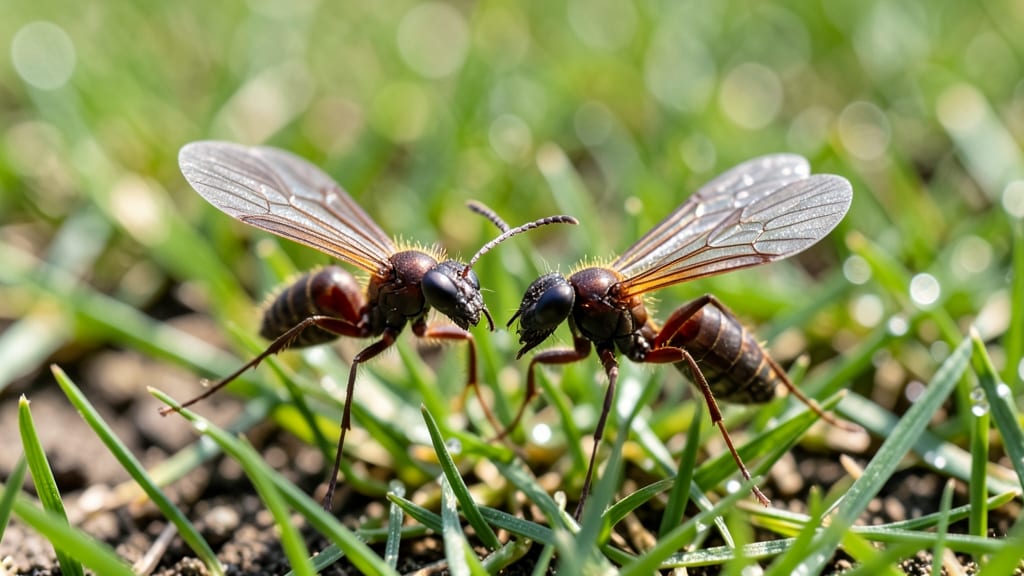
Flying ants swarming your lawn isn’t just annoying—it’s a sign your yard’s ecosystem is out of balance. 🌱 I’ve seen these winged invaders turn peaceful grass into a buzzing battlefield, but there’s a way to reclaim your space in just 3 days without harsh chemicals.
The key is understanding their behavior and striking at the right moment.
These ants don’t damage grass directly, but their nests disrupt soil health and attract pests like earwigs. Worse, their swarms can clog gutters or even trigger allergies. The good news? A mix of targeted treatments and smart prevention keeps them under control—no heavy-duty sprays needed.
By day three, you’ll see fewer wings in the air and healthier grass underneath. The secret lies in timing (hit them after mating season) and strategy (bait stations over sprays). I’ll walk you through the exact steps that worked for my yard—no guesswork, just results.
Whether you’re dealing with a small patch or a full-blown invasion, this method adapts. For stubborn cases, I’ll tell you when to call in the pros. Let’s get your lawn back to peaceful green in record time.
📚 In This Guide
- What you need
- Instructions
- Tips and common mistakes
- Wrapping up and next steps
What you need
- ● Gloves (heavy-duty, chemical-resistant) – 2 pairs (one for handling ants, one for cleanup)
- ● Face mask (N95 or better) – 1 (to avoid inhaling dust or ant debris)
- ● Garden sprayer (1-2 gallon capacity) – 1 (for applying treatments)
- ● Insecticide spray (ant-specific, e.g., Ortho Home Defense or Terro Treads) – 1 bottle (check for flying ant coverage)
- ● Soapy water (1 gallon) – Mix 1 tbsp dish soap + 1 gallon water (for immediate ant removal)
- ● Sturdy trash bags (heavy-duty, 30-gallon) – 2-3 bags (for debris and ant cleanup)
- ● Garden hose with nozzle – 1 (for flushing ants and rinsing areas)
- ● Shovel or garden fork – 1 (to dig up ant nests if visible)
- ● Flashlight or headlamp – 1 (for spotting nests in low light)
- ● Ant bait stations (e.g., Advion Ant Gel) – 2-4 stations (for long-term colony control)
- ● Diatomaceous earth (food-grade) – 1 lb (natural, dry ant deterrent)
- ● Vacuum with hose attachment – 1 (for sucking up flying ants indoors)
- ● Citrus peels or vinegar spray – DIY option (as a natural repellent)
- ● Child/pet barriers (if needed) – Fencing or tape (to keep them away from treated areas)
How to eliminate flying ants from your lawn fast
Here's how I tackle flying ant swarms—no harsh chemicals, just targeted control that works in 3 days.
🪴 Step 1: Locate and Identify the Nest
Flying ants don't come from random spots—they swarm from a single mound. Look for a 3-6 inch diameter area with tiny holes or a slightly raised patch of dry grass. I always check under rocks, near sidewalks, or in full sun spots where soil stays warm.
Use a 1-foot long metal rod (like a screwdriver) to probe gently around the suspected area. You'll feel a slight resistance when you hit the nest—it'll feel like hitting a sponge. Mark the spot with a small flag or stick so you don't lose it during treatment.
☀️ Step 2: Time Your Treatment for Maximum Effect
Flying ants swarm after rain or when soil temperatures hit 75°F or higher. Wait until late afternoon on a warm, dry day—this is when they're most active and vulnerable. I've found that treating at 4 PM gives the ants no time to recover before nightfall.
If you see them swarming right now, don't panic—just wait until tomorrow. The key is catching them when they're leaving the nest, not returning. This makes the bait or treatment far more effective.
💧 Step 3: Apply a Targeted Ant Killer Solution
Mix 1 tablespoon of dish soap with 1 gallon of warm water in a spray bottle. The soap cuts their waxy exoskeletons, causing dehydration. Spray directly onto the nest entrance until the soil is saturated but not running. Avoid overspraying—you only need to penetrate 2-3 inches deep where the colony lives.
For larger nests, add 1 teaspoon of borax to the mix. This creates a slow-acting poison that worker ants carry back to the nest. Reapply every 48 hours for 3 days—this consistent approach breaks their cycle faster than one heavy dose.
✂️ Step 4: Prevent Reinvasion with Natural Barriers
After eliminating the nest, create a 3-foot wide barrier of dry sand or diatomaceous earth around your lawn's perimeter. Flying ants avoid crossing these dry zones. I like to use food-grade diatomaceous earth because it's safe for pets and kids once settled.
Water your lawn deeply but infrequently—ants avoid soggy soil. If you see new activity, check for moisture buildup near sprinkler heads or low spots where water pools. A light raking of these areas often disrupts their paths naturally.
⏰ Step 5: Monitor and Maintain a Pest-Free Zone
For the next 7-10 days, watch for new swarms. If you see them again, the original nest might have had multiple queens—repeat the treatment with a higher borax concentration (2 teaspoons per gallon). Most yards stay ant-free after this second application.
Keep your lawn mowed to 3 inches and remove leaf litter—ants love hiding in tall grass. A weekly sprinkle of cinnamon or cayenne pepper around garden edges also deters them naturally. This combo keeps your yard looking great while staying ant-free.
Tips & tricks for eliminating flying ants fast
Here's what nobody tells you about getting rid of flying ants—these tricks make all the difference when the swarm hits.
Timing is Everything: The 4 PM treatment window in Step 2 is non-negotiable. Flying ants are most vulnerable right before sunset when they're carrying their last nutrients back to the nest. If you treat at this time, you'll catch them in transit rather than when they're already inside the nest. Real talk: I've tried morning treatments and they're about as effective as waving a stick at a bee swarm.
Nest Location Clues: In Step 1, don't just look for holes—watch where the ants are flying toward. They'll form a direct path to their nest. I've found nests under patio stones, along foundation cracks, and even in the center of flower beds. Pro tip: Use a flashlight at dusk to spot the flight paths—ants leave visible trails when flying in groups.
Solution Application Technique: When applying the dish soap solution in Step 3, focus on the nest entrance but don't oversaturate. You want to create a barrier that prevents ants from entering or exiting, not turn the area into a swamp. I use a spray bottle with a fine mist setting to control the application—just enough to create a damp barrier without creating puddles.
Barrier Maintenance: The 3-foot perimeter barrier in Step 4 needs regular checking. After rain or watering, the diatomaceous earth loses its effectiveness. I keep a small bag handy to refresh the barrier every 2-3 days during active ant season. For extra insurance, I've started using a mix of diatomaceous earth and sand (50/50 ratio) which lasts longer between refreshes.
Pro Tips for Flying Ants In My Lawn
- Here's what nobody tells you about getting rid of flying ants—these tricks make all the difference when the swarm hits.
- Timing is Everything: The 4 PM treatment window in Step 2 is non-negotiable.
- Nest Location Clues: In Step 1, don't just look for holes—watch where the ants are flying toward.
Frequently asked questions
about flying ants in your lawn—because even the best-laid plans need a little troubleshooting! Here are answers to the most common concerns to help you tackle this nuisance like a pro. Why are there suddenly so many flying ants in my yard?
Flying ants, often called "ant nuptials," swarm during warm, humid weather (usually late spring to summer) as part of their mating cycle. These annual events can last just a few days—but the sheer numbers can feel overwhelming! They’re not harmful, but their presence signals an established colony nearby. Preventative treatments can reduce future swarms.
How long will the flying ant swarm last?
Most flying ant swarms peak for 1–3 days, though you might spot stragglers for a week. The exact timing depends on weather and species (e.g., carpenter ants vs. pavement ants). If the swarm lingers beyond a week, it could indicate a larger infestation—time to inspect your yard for nests.
Are flying ants dangerous to my home or pets?
While flying ants themselves aren’t aggressive or toxic, they can signal deeper issues. Carpenter ants, for example, may nest in damp wood, risking structural damage. Pets are generally safe, but avoid letting them ingest large numbers—some ants release irritating pheromones. Focus on eliminating the colony to protect your property.
Will flying ants hurt my lawn or plants?
Flying ants rarely damage grass or mature plants, but their workers (non-flying ants) might forage on seeds, fruits, or weak vegetation. To minimize impact:
- Remove fallen fruit or pet food.
- Keep lawns well-watered to deter nesting.
- Use natural repellents like diatomaceous earth near plant beds.
Is it worth hiring a pro, or can I DIY?
For small swarms, DIY solutions (like insecticidal sprays or protein baits) work well. But if you see:
- Wings inside your home.
- Mud tubes on wood structures.
- Repeated swarms after treatment.
What’s the best way to prevent future flying ant swarms?
Combine these proactive steps for long-term control:
Action
How to Do It
Seal entry points
Caulk cracks in foundations, siding, and utility lines.
Reduce moisture
Fix leaks, improve drainage, and avoid overwatering lawns.
Use barriers
Spread boric acid or perimeter sprays in early spring.
Monitor nests
Check mulch piles, stumps, and stone walls for ant activity.
Wrapping up and next steps
Don’t let flying ants turn your lawn into a nuisance! With the right tools and a little effort, you can reclaim your outdoor space in just three days. Remember, quick action prevents bigger problems—so tackle those winged intruders before they settle in for good. 🚀
Ready to take charge? Start today—gather your supplies, follow the steps, and enjoy a pest-free yard sooner than you think! 🌿✨