
Mower
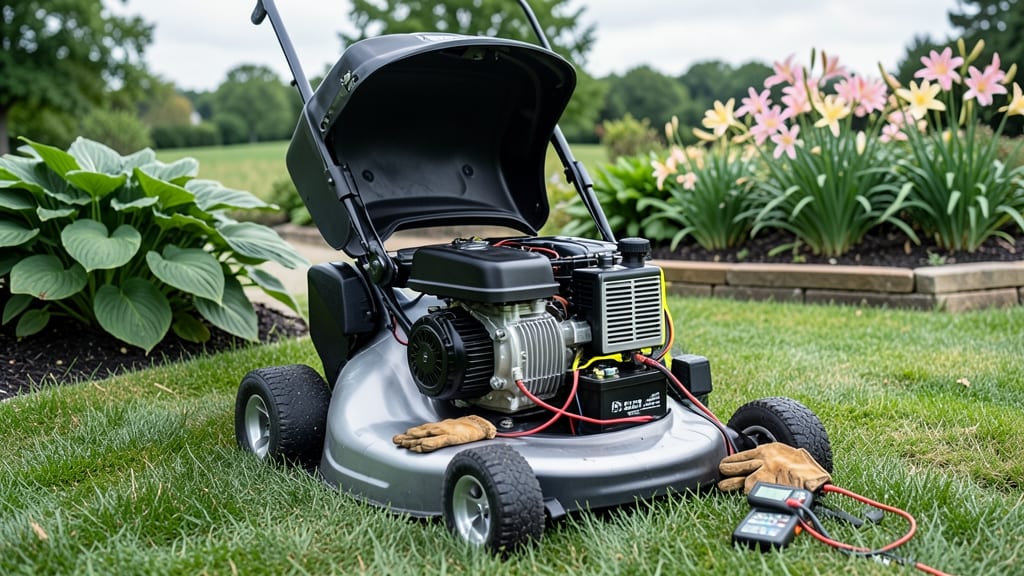
Yes, lawn mowers have alternators that serve as both a charging system for the battery and a power source for electrical components like starter motors and deck lights. Unlike car alternators, these compact units often combine functions to save space in smaller engines.
Lawn mower alternators are designed to be more versatile than their automotive counterparts, handling both battery charging and electrical system demands in a single compact unit. 🔥 This dual-purpose design is particularly important in modern push-button start mowers, where the alternator must provide consistent power for the starter motor while simultaneously maintaining battery charge.
The smaller engine size in lawn equipment also means these alternators operate at different voltage outputs—typically 12 volts—but with less continuous power capacity than car alternators.
Most homeowners don't realize these alternators work silently in the background until they notice symptoms like weak starts or flickering lights. When the alternator fails, it often drains the battery completely, leaving you with a mower that won't start even when the battery appears charged.
Regular maintenance—like keeping terminals clean and checking voltage with a multimeter—can prevent many common alternator-related issues before they become major problems.
💡 In This Article
- How Lawn Mower Alternators Differ from Car Alternators
- Signs Your Lawn Mower Alternator Needs Replacement
How lawn mower alternators differ from car alternators
Lawn mower alternators are engineered for compact spaces and specific demands that set them apart from automotive alternators. Unlike cars that use separate systems for starting and charging, most modern mowers combine these functions into a single dual-purpose unit.
This design saves space in the cramped engine compartments typical of small engines, often producing 12 volts but with lower amperage output—usually between 10-30 amps compared to a car's 50-150 amps. 🔥 The smaller size also means less cooling capacity, so these alternators run hotter during prolonged use.
Another key difference lies in their integration with push-button start systems. Modern mowers rely on the alternator to provide instant power for electric starters, which demand a quick surge of energy.
Automotive alternators have more time to ramp up since engines typically idle before starting, but mower alternators must deliver full power immediately. This requires specialized voltage regulators that can handle rapid load changes without spiking or dropping voltage, ensuring the starter motor gets consistent 12-14 volts every time.
Efficiency also plays a different role in lawn equipment. Mower alternators prioritize reliability over continuous high output since they're used intermittently (typically 30-60 minutes per session).
The trade-off is that they wear out faster when pushed hard, like during continuous mowing on hot days when the engine struggles to maintain RPM. Many homeowners notice this when their mower starts poorly after a long cutting session—often a sign the alternator can't keep up with the battery's demands.
One design feature you won't find in cars is the direct mounting to the engine's crankshaft via a serpentine belt. This belt drives both the alternator and other accessories like the deck washer pump.
When the belt wears or slips 1/4 inch or more, it directly affects alternator performance, causing voltage drops that manifest as dimming lights or weak starts. Unlike cars with multiple belts, mowers often use a single belt system, making maintenance simpler but more critical.
The compact nature of mower alternators also means they lack the robust cooling systems found in vehicles. Most rely on airflow from the engine's cooling fan, which can struggle when the mower is used in thick grass or on hot days.
This is why you'll often see alternator failures spike during summer months—heat accelerates wear on the internal diodes and windings that convert mechanical energy into electrical power. 💫
Consider this comparison: A typical car alternator might weigh 10-15 pounds and produce 100 amps, while a lawn mower alternator typically weighs 3-5 pounds and outputs 20 amps. The difference isn't just size—it's about optimized performance for specific usage patterns.
Mower alternators are built to handle short bursts of high demand (like starting) followed by periods of lighter load (like steady mowing), whereas car alternators must maintain consistent output during continuous driving.