
Lawn
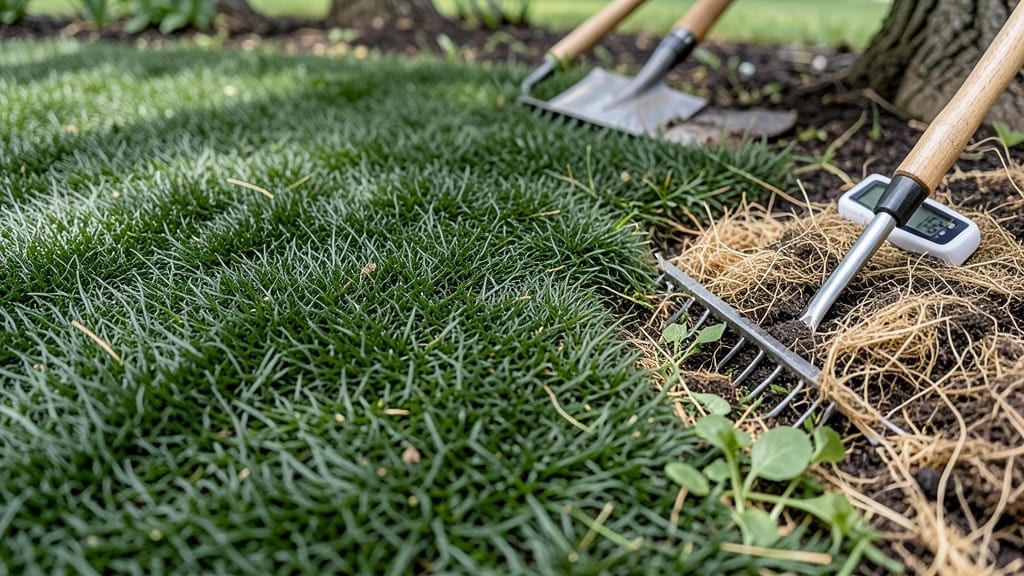
Those mysterious dark green patches in your lawn aren't just random—your grass is sending a message. 🌱 I've spent years diagnosing why some areas stay lush while others struggle, and the answers often lie in what's happening below the surface, not just above.
The culprits range from fungal infections like dollar spot to moss taking over in damp spots, or even overwatering that smothers roots. My first clue? Run your hand over the patch—if it feels spongy or slimy, that's your first hint.
The good news is most issues fix with simple adjustments: better drainage, proper mowing height, or targeted treatments. You'll end up with a lawn that's uniformly green, not patchy. The key is acting before the problem spreads—once you identify the cause, solutions are straightforward.
Think of it like a doctor's visit for your grass. Works for any lawn type, from sunny backyards to shady corners. Let's get your turf back to even and healthy!
Hidden Causes Behind Lawn Discoloration
Dark green patches in your lawn aren’t always a sign of a thriving yard—they can actually indicate underlying issues that need attention. Understanding the root causes helps you address the problem before it spreads. Here’s why those mysterious dark spots might be appearing, broken down by the most common culprits.
When your lawn stays too wet for too long, grass struggles to breathe. Excess moisture can lead to fungal growth (like Fusarium or Rhizoctonia), which thrives in damp, shaded conditions. Dark green patches often signal lawn mold, where fungi feed on organic matter, creating slimy, spongy turf.
Poor drainage—whether from clay soil, compacted ground, or low-lying areas—traps water and oxygen-deprives roots. Test your soil: Dig a 6-inch hole; if water pools after 30 minutes, drainage is the issue. Actionable fix: Aerate compacted soil, improve grading, or install French drains in problem zones.
Fungi love shade, moisture, and organic debris. Dark green patches with a slimy, spongy texture (or even blackened grass) are classic signs of dollar spot, brown patch, or pythium blight. These pathogens thrive when:
- 🌧️ Nighttime dew lingers (fungi spread via spores in damp air).
- 🍂 Leaves/debris smother grass (blocking sunlight and airflow).
- 🌡️ Temperatures hover between 70–90°F (ideal fungal growth range).
Pro tip: Rake up debris, mow high (3–4 inches) to improve airflow, and apply fungicide if patches persist. Prevention: Water early in the day (before 10 AM) to let grass dry quickly.
A thatch layer thicker than ½ inch blocks water, nutrients, and air from reaching roots. Dark green areas often appear where thatch traps moisture, creating a perfect fungal buffet. Thatch is made of dead grass, roots, and debris—nature’s insulation that’s great in moderation but harmful when excessive.
🔍 How to check: Dig a small section of turf; if you see a dense, spongy mat between soil and grass, thatch is the culprit. Fix it: Dethatch with a rake or vertical mower in early fall or spring, then overseed to encourage healthy growth.
Not all dark green patches are bad—some are just shade-adapted grass thriving where sunlight-starved varieties would fail. However, if your lawn has uneven color (dark in shade, light in sun), the issue might be poor grass selection.
🌿 Grass types matter:
Grass Type
Shade Tolerance
Dark Patch Risk
Kentucky Bluegrass
Moderate (needs 4–6 hrs sun)
⚠️ Struggles in deep shade → weakens, invites fungi
Fine Fescue
High (thrives in <2 hrs sun)
✅ Dark green = healthy! Low-maintenance choice.
St. Augustinegrass
Moderate (loves humidity)
⚠️ Prone to fungal spots in wet shade
Solution: If your lawn has large shaded areas, consider shade-tolerant grasses like fine fescue or Zoysia. For existing lawns, overseed with a shade mix in early fall.
Some dark patches aren’t fungal—they’re grub or insect damage. Grubs (larvae of beetles) chew roots, causing grass to turn dark and spongy when pulled up. Chinch bugs or sod webworms also leave behind irregular, sunken patches.
🕵️ Spot the signs:
- 🐜 Wilting grass that pulls up easily (roots severed by grubs).
- 🐛 Small holes or chewed blades (webworm activity).
- 🌱 Yellowing followed by darkening (chinch bug feeding).
Treatment: Apply grub control (beneficial nematodes or imidacloprid) in late summer, or treat with insecticidal soap for surface pests. Prevent recurrence by maintaining proper mowing height and reducing thatch.
Dark green patches can also signal excess nitrogen or poor soil structure. While nitrogen fuels growth, too much (from over-fertilizing or organic matter like compost piles) can cause burnt-looking grass or dark, mushy spots if it attracts fungi.
📊 Test your soil: A pH below 6.0 or high salt levels (from synthetic fertilizers) can stress grass. Fix it:
Pro tip: Dark green in one specific area? Check for old fertilizer granules buried in the soil—they can create localized "hot spots."
How to solve it
Dark green patches in your lawn might seem like a sign of health, but they often signal underlying issues—from poor drainage to over-fertilization or even hidden pests.
The good news? Most problems have simple, cost-effective fixes. Below, we’ll match common causes to targeted solutions, plus pro tips to keep your lawn vibrant and even-toned.
If your lawn has soggy, dark green spots, water isn’t draining properly, leading to fungal growth or root stress. Here’s how to fix it:
- 🔥 Test Your Soil: Dig a small hole (6 inches deep) and fill it with water. If it drains in under 6 hours, your soil is fine. If not, you’ve got drainage issues.
- 🍳 Improve Drainage:
- Add sand or compost to heavy clay soil (mix in a 1-inch layer and till lightly).
- For low spots, create a sand mound (6–12 inches high) to elevate the area.
- 👨🍳 Adjust Watering: Water deeply 2–3 times per week (early morning) instead of daily light sprinkles. Aim for 1–1.5 inches per week.
💡 Prevention Tip: Install French drains or swales (shallow trenches) in chronically wet areas to redirect water.
Dark, velvety green patches with a spongy texture? Fungi thrive in damp, shaded lawns. Act fast to stop the spread:
- 🔪 Remove Affected Grass: Cut out infected patches down to the soil and dispose of them (don’t compost!).
- 🌡️ Improve Airflow:
- Thin out dense grass with a lawn rake or dethatching tool.
- Trim overhanging trees/bushes to let sunlight in.
- ✨ Fungicide Treatment: Apply a copper-based fungicide or baking soda solution (1 tbsp/gallon water) to affected areas. Reapply every 2–3 weeks if needed.
💡 Prevention Tip: Water in the early morning so grass dries by evening. Avoid nighttime watering—fungi love moisture!
Too much nitrogen (especially slow-release fertilizers) can create dark, lush patches while starving other areas of nutrients. Balance it out:
- 📊 Soil Test First: Use a DIY soil test kit (or send a sample to a local extension office) to check pH and nutrient levels.
- 🍎 Adjust Fertilizer:
- If nitrogen is high, switch to a low-nitrogen, high-potassium fertilizer (e.g., 5-10-10 ratio) to promote root health.
- For acidic soil (pH < 6.0), add lime (follow package rates).
- 💪 Lighten Up: Skip fertilizer for 6–8 weeks to let the lawn recover. Overdoing it can burn roots.
💡 Prevention Tip: Slow-release fertilizers (like organic options) are gentler than quick-acting ones. Apply in small doses 3–4 times per year.
If dark green patches feel spongy when stepped on or have thinning grass, grubs or insects may be munching roots. Take action:
- 🔍 Inspect for Pests: Dig up a small section of turf. If you see white grubs (C-shaped larvae) or sod webworms, you’ve got a problem.
- 🍳 Treat the Soil:
- Apply a grub killer (e.g., imidacloprid or beneficial nematodes) following label instructions.
- For organic control, use milky spore powder or neem oil.
- 🌱 Reseed Bare Spots: After treating, rake the area and overseed with high-quality grass seed for a uniform look.
💡 Prevention Tip: Encourage natural predators like birds and toads by keeping a diverse lawn ecosystem (avoid overusing pesticides).
If dark patches appear in consistently shaded areas, your grass is struggling to photosynthesize. Boost its resilience:
- 🌿 Choose Shade-Tolerant Grass: Switch to varieties like fine fescue, Kentucky bluegrass, or zoysia if your current grass isn’t cutting it.
- 🍳 Aerate & Top-Dress: Core aerate the shaded area, then spread a thin layer of compost (¼ inch) to improve soil health.
- ✨ Artificial Light (Last Resort):strong> For small patches, install solar-powered lawn lights to extend daylight exposure.
💡 Prevention Tip: Mulch nearby trees with wood chips to slowly reduce shade over time, or prune branches to let more light through.
Frequently asked questions
Why do some parts of my lawn stay dark green while others look healthy?
Dark green patches often indicate excess moisture or fungal activity like dollar spot, especially in shaded or low-lying areas. These spots thrive when grass stays wet too long, blocking oxygen and inviting fungal growth. The contrast with healthier areas shows where your lawn is struggling to breathe.
Can moss in my lawn cause dark green patches?
Moss loves damp, shaded spots and creates that velvety dark green appearance. It’s not grass—it’s a non-vascular plant that thrives where turf struggles. If you run your hand over the patch and it feels spongy or stays damp, moss is likely the culprit. Raking and improving drainage will help eliminate it.
How do I tell if dark green patches are healthy grass or a problem?
Pull up a small section: if roots are white and spongy, it’s likely fungal growth. Healthy grass roots should be white and fibrous. Also check for sliminess—fungal patches often feel damp even after drying. Uneven patches with thinning grass suggest pests like grubs rather than healthy growth.
Will overwatering cause dark green areas in my lawn?
Yes! Overwatering creates waterlogged soil that suffocates roots and promotes fungal diseases. Dark green patches often appear where water pools or drainage is poor. The solution? Water deeply 2-3 times per week (1-1.5 inches total) and improve drainage by aerating compacted soil or adding sand to clay-heavy areas.
When should I call a professional about my dark green patches?
If patches spread rapidly, appear blackened or slimy, or don’t improve after 2-3 weeks of treatment, it’s time to call an expert. Severe fungal infections or pest infestations (like grubs) often require professional fungicides or soil treatments. Don’t wait until the problem covers your entire lawn!