
Lawn
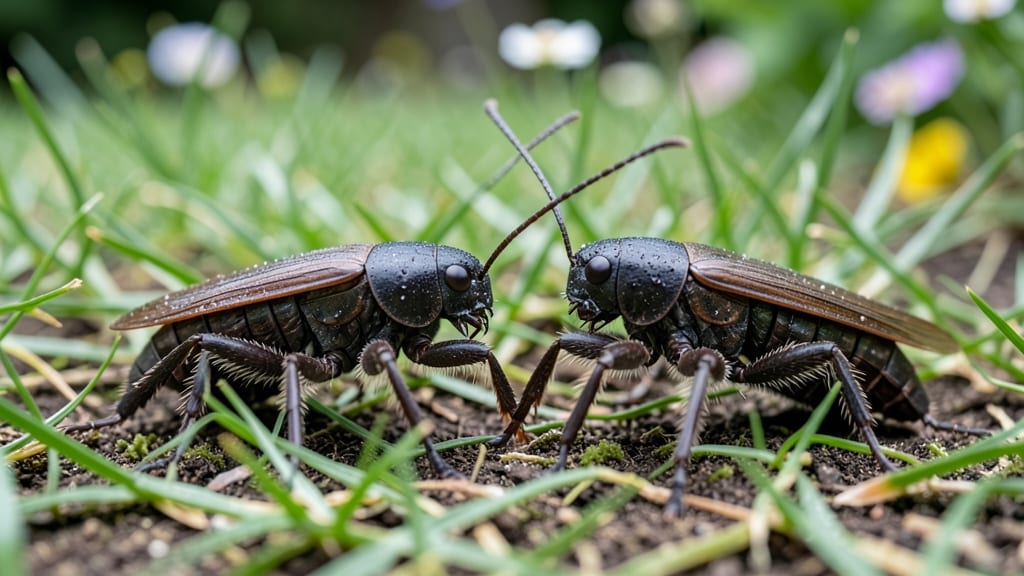
Those tiny tunnels in your lawn aren't moles—it's mole crickets, and they're turning your grass into a grub buffet. 🌱 I've spent years dealing with these sneaky pests that chew roots and leave behind unsightly mounds of sand, and I'll show you how to kick them out for good without harsh chemicals.
The damage starts small: patches of brown grass that spread faster than you can water. Mole crickets love warm, moist soil and strike hardest in late summer when your lawn is already stressed. What you'll need is a multi-step approach—traps, cultural fixes, and prevention—that actually works, not just temporary band-aids.
By the end, you'll have a lawn that stays green through summer, with no more mysterious dead spots or tunneling chaos. The best part? These methods protect your soil health while keeping the crickets out for good.
Works for homeowners everywhere, whether you've got a small yard or a sprawling lawn. Let's get started!
Natural Lawn Invaders Explained
If your lawn looks like it’s been hit by a tiny, subterranean army—with mounds of dirt popping up overnight—you’re likely dealing with cricket moles (or more accurately, mole crickets).
These nocturnal pests aren’t true moles but rather wingless crickets that burrow beneath the surface, wreaking havoc on your grass roots. Understanding why they show up is the first step to reclaiming your lawn. Let’s break down the science behind their unwelcome visits.
Mole crickets are opportunistic feeders, and your lawn is essentially an all-you-can-eat restaurant for them. Their diet consists of:
- Grass roots and rhizomes – The fibrous network beneath your lawn is their primary food source, especially during warm months when roots are tender.
- Organic matter – Decaying leaves, thatch, and even mulch attract them like a neon sign. Pro tip: Over-thatched lawns or areas with thick mulch layers become high-risk zones.
- Insect larvae – Mole crickets also snack on other grubs (like white grubs) and beetle larvae, making them indirect competitors with your lawn’s natural predators.
💡 Why it matters: If your lawn is lush and healthy, it’s also irresistible to mole crickets. Overwatering or over-fertilizing can make roots even more vulnerable by creating a soft, nutrient-rich environment.
Mole crickets thrive in specific environmental conditions, and your lawn might be accidentally creating a five-star resort for them:
- Warmth – They’re most active in 70–90°F soil temperatures, which means spring through early fall is their peak season. Southern lawns are especially at risk.
- Moisture – They need consistently damp soil to dig tunnels and survive. Heavy irrigation, poor drainage, or clay-heavy soil traps moisture, making it a mole cricket magnet.
- Loose, aerated soil – Well-aerated lawns (from core aeration or foot traffic) give them easy access to burrow. Compacted soil, however, can push them deeper, making them harder to spot but not less destructive.
🌡️ Actionable insight: If your lawn stays soggy after rain or you water frequently, you’re essentially inviting mole crickets to move in. Adjusting your watering schedule (deep but infrequent watering) can disrupt their habitat.
Mole crickets often arrive as secondary invaders, hitching a ride on the chaos created by other lawn pests. Here’s how:
- Grub infestations – White grubs and other larvae weaken grass roots, making the lawn easier for mole crickets to tunnel through. Once the roots are compromised, mole crickets move in for the kill.
- Chinch bug damage – These pests create stressed patches where grass dies back, leaving exposed soil that mole crickets love to burrow into.
- Previous mole cricket activity – Female mole crickets lay eggs in the top 2 inches of soil. If they’ve visited before, their offspring will return, creating a multi-generational infestation.
✨ Key takeaway: If you’ve battled grubs or other pests in the past, your lawn may already be primed for mole cricket takeovers. Treating the root cause (literally) can prevent them from moving in.
Sometimes, the way we maintain our lawns directly invites mole crickets. Common culprits include:
| Lawn Practice | How It Attracts Mole Crickets |
|---|---|
| Overwatering | Creates a perpetually moist environment, keeping soil soft and easy to dig. |
| Excessive nitrogen fertilizer | Encourages rapid root growth, which mole crickets devour faster than grass can recover. |
| Leaving grass clippings or mulch piles | Provides shelter and food for larvae, which then attract adult mole crickets. |
| Poor drainage | Traps moisture, making soil ideal for burrowing and egg-laying. |
🎯 Pro move: Audit your lawn care routine. If you’re guilty of any of these, small adjustments—like reducing watering frequency or improving drainage—can make your lawn less appealing.
Simple Fixes for Lawn Pests
Cricket moles—those tiny but destructive critters—can turn your lush lawn into a patchwork of tunnels and damage. But don’t worry! With the right approach, you can reclaim your yard naturally and effectively.
Below, we’ve mapped out targeted solutions based on the root causes of cricket mole infestations, from baiting and trapping to long-term prevention. Each method is designed to be practical, eco-friendly, and easy to implement, so you can restore your lawn without harsh chemicals.
---
If you’ve already spotted signs of cricket moles (mounds, chewed roots, or uneven grass), trapping is the fastest way to eliminate them. Here’s how:
#### 🍳 Set Up a Cricket Mole Trap 1. Identify Active Tunnels 🕵️♂️ - Walk your lawn in the morning (when moles are most active) and look for fresh tunnels or small mounds. - Gently probe the soil with a stick—if it feels loose, it’s likely a tunnel entrance.
2. Choose the Right Trap 🪟 - Chu-Chu traps (for cricket moles) are the most effective. These are small, scissor-like traps that snap shut when triggered. - Avoid large mole traps—they’re designed for bigger moles and won’t work for cricket moles.
3. Bait and Deploy 🍖 - Place a few mealworms, grubs, or peanut butter on the trap to attract the cricket moles. - Bury the trap just below the surface (about 1–2 inches deep) along the tunnel.
Leave the entrance open so moles can enter. - Check traps daily—remove any dead moles immediately to avoid odor and reset the trap.
4. Seal the Tunnel ⏰ - Once you’ve caught a few, fill in the tunnel with soil and tamp it down to discourage others from using it.
✨ Pro Tip: Work in the early morning or late evening when cricket moles are most active. If you’re not having luck, try multiple traps along different tunnels.
---
If trapping isn’t your style, repellents can make your lawn less inviting to cricket moles. These are safe for pets and plants and work by masking scents or creating an unpleasant environment.
#### 🌡️ DIY Repellent Sprays 1. Castor Oil Spray 🌿 - Mix 2 tbsp castor oil with 1 tsp dish soap and 1 gallon of water. - Spray along tunnels and high-risk areas (like near sheds or woodpiles). - Reapply every 2–3 weeks or after rain.
2. Garlic and Chili Pepper Spray 🌶️ - Blend 5 cloves of garlic, 1 tbsp cayenne pepper, and 1 quart of water. - Strain and add 1 tsp dish soap.
Spray on tunnels and the lawn’s surface. - The strong smell repels moles, and it’s safe for grass when used as directed.
3. Predator Urine 🐺 - Fox or coyote urine (available at garden stores) can be sprayed around the perimeter of your lawn. - The scent signals danger to moles, encouraging them to move on.
💡 Pro Tip: For best results, combine repellents with trapping—this creates a two-pronged defense that’s harder for moles to ignore.
---
Cricket moles thrive in weak, grubless lawns. By making your grass healthier and less appealing, you can deter them naturally.
#### 💪 Lawn Care Strategies 1. Encourage Natural Grub Predators 🐞 - Birds, toads, and ground beetles love eating grubs (a cricket mole’s favorite snack). - Install a birdhouse or toad abode in your yard to attract these helpers.
2. Aerate and Overseed 🌱 - Compacted soil makes it easier for moles to dig. Aerate your lawn in spring or fall to improve drainage and root health. - Overseed with tall fescue or ryegrass, which have deeper roots that moles dislike tunneling through.
3. Reduce Grub Populations 🐜 - Beneficial nematodes (microscopic worms) can be applied to your lawn to kill grubs naturally. - Follow package instructions and water thoroughly after application.
4. Keep the Lawn Tidy 🧹 - Cricket moles love dark, moist, and cluttered areas. Rake up leaf litter, thatch, and debris regularly. - Mow high (3–4 inches) to shade the soil and make it less appealing for digging.
🎯 Pro Tip: Mulch with cedar chips—the scent naturally repels moles and adds a bonus layer of protection.
---
If cricket moles keep returning, physical barriers can stop them in their tracks. These are low-maintenance and highly effective for persistent problems.
#### 🏗️ Install a Mole Barrier 1. Choose the Right Material 🛠️ - Hardware cloth (1/4-inch mesh) or plastic mole barriers work best. - Avoid chicken wire—it can be chewed through.
2. Dig a Trench 🏗️ - Bury the barrier 12–18 inches deep and extend it at least 2 feet beyond the infested area. - Bend the top 90 degrees outward to prevent moles from climbing over.
3. Combine with Other Methods 🔄 - Barriers work best when paired with repellents or trapping for a multi-layered defense.
✨ Pro Tip: If you have a large yard, consider a partial barrier around high-value areas (like flower beds or patios) first.
---
To prevent cricket moles from moving in, follow this simple maintenance routine:
| Task | When to Do It | Why It Works | |-------------------------|-------------------------|-------------------------------------------| | Apply castor oil spray | Spring & Fall | Masks scent of grubs, deters moles | | Aerate & overseed | Early Fall | Strengthens roots, reduces tunneling | | Remove leaf litter | Year-round (monthly) | Eliminates hiding spots for moles | | Encourage predators | Year-round | Natural grub control reduces mole food | | Check for tunnels | Weekly (after rain) | Early detection = easier removal |
--- By combining trapping, repellents, lawn strengthening, and barriers, you can eliminate cricket moles and keep them away for good. Start with the method that fits your situation best, and soon you’ll have a grub-free, mole-free lawn that stays healthy all season long! 🌱💚
Frequently asked questions
What do mole cricket tunnels look like in my lawn?
Mole cricket tunnels appear as raised ridges or small sand mounds (about 1/2-inch wide) winding through your grass. Unlike mole tunnels (which are smooth and underground), these are often surface-level and may have tiny holes where they breathe. Check after rain—the tunnels become more visible when soil is moist.
Can I use regular mole traps for cricket moles?
No, regular mole traps won’t work—they’re too large and designed for true moles. Use Chu-Chu traps (small, scissor-style traps) or bucket traps baited with mealworms. These are specifically built for mole crickets and trigger when the pests step on them. Place them along active tunnels for best results.
How long does it take to get rid of mole crickets?
With consistent trapping and repellents, you’ll see results in 1-2 weeks. However, complete elimination can take 4-6 weeks because female mole crickets lay eggs that hatch into new pests. Combine methods (traps + castor oil spray + lawn strengthening) for faster, long-term control. Patience is key—these critters reproduce quickly!
Are mole crickets harmful to pets or humans?
No, mole crickets are not dangerous to pets or people. They don’t bite, carry diseases, or sting. However, their tunnels can create uneven ground that might trip pets or damage lawn equipment. The real concern is their destruction of grass roots, which weakens your lawn’s health and makes it vulnerable to other pests.
What’s the best time of year to treat mole crickets?
Start treatments in late spring (when soil warms to 70°F) and continue through early fall. This covers their peak activity season. Apply beneficial nematodes in summer to target grubs (their food source) and use castor oil spray in fall to deter overwintering pests. Early action prevents a full-blown infestation!