
Lawn
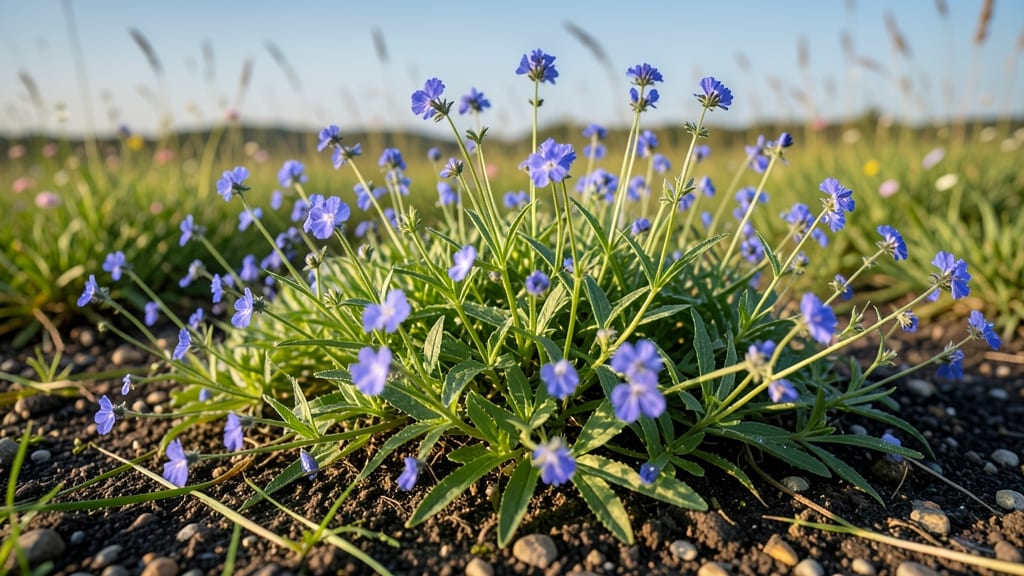
That tiny blue flower creeping through your lawn isn't a wildflower—it's corn speedwell, and it's turning your grass into a weed patch. 🌱 I've spent years battling this shade-loving invader, and I know exactly why it thrives where grass struggles: it thrives in thin, compacted soil and low light where lawns fail.
The good news? Corn speedwell can't survive healthy grass. The secret is a two-pronged approach: thicken your lawn with proper seeding and mowing, then smother what remains with targeted pre-emergent in early spring. I've seen patches disappear completely within 3-4 months of consistent care.
By late summer, your lawn will look lush and uniform again, with no more blue "wildflowers" stealing the show. The key is persistence—this weed comes back if you let it, but with the right routine, you'll reclaim your yard.
Works for both sunny and shady lawns, though shade areas require extra nitrogen to outcompete it. Let's get your grass back to looking like grass again.
What Invites Corn Speedwell In
Corn speedwell (or Veronica arvensis) isn’t just a random lawn guest—it’s a strategic opportunist. This shade-tolerant weed thrives in conditions where your grass struggles, turning problem areas into its personal buffet.
Let’s break down the key reasons it moves in and takes over, so you can outsmart it before it spreads.
Corn speedwell loves compacted, nutrient-poor, or acidic soil—the kind where grass gives up and weeds roll out the red carpet. Here’s why:
- Low organic matter: Without rich compost or topsoil, grass roots weaken, leaving gaps for speedwell seeds to sprout. Solution: Test your soil’s pH (ideal: 6.0–7.0) and amend with compost or peat moss to improve structure and fertility.
- High clay or sand content: Clay soils drain poorly, suffocating grass roots, while sandy soils hold little moisture. Speedwell’s shallow roots adapt perfectly to these extremes. Solution: Add gypsum for clay or organic matter for sand to balance drainage.
- Lack of nitrogen: Grass needs nitrogen to stay thick, but speedwell thrives in nitrogen-deficient zones. Solution: Apply a slow-release fertilizer (like 20-5-10) in early spring to starve out weeds while feeding your lawn.
💡 Pro Tip: Over-seed bare spots with shade-tolerant grass varieties (like fine fescue) to compete with speedwell before it germinates.
Corn speedwell is a master of low-light survival, making it a nightmare under trees, fences, or dense shrubs. Here’s how it exploits your lawn’s shadiest spots:
- Dappled or full shade: Grass needs 4–6 hours of sunlight daily to photosynthesize, but speedwell thrives with as little as 2 hours. Solution: Thin overgrown trees or install reflective mulch near shade barriers to bounce light onto the lawn.
- Overwatering or poor drainage: Speedwell loves consistently moist soil—whether from sprinklers, rain, or soggy ground. Solution: Adjust your watering schedule to deep, infrequent soakings (1–1.5 inches per week) and improve drainage with sand or organic matter.
- Morning dew or high humidity: Speedwell seeds germinate best in cool, damp conditions, common in spring and fall. Solution: Rake leaves and debris from shaded areas to reduce seedbed moisture and prevent germination.
✨ Quick Fix: If shade is unavoidable, consider clover or creeping thyme as a drought-tolerant ground cover alternative.
Corn speedwell doesn’t just fill empty spaces—it exploits weaknesses in your lawn’s defense system. Here’s how:
- Foot traffic or pet damage: Compacted or trampled grass leaves bare soil, perfect for speedwell seeds. Solution: Use stepping stones or mulch paths in high-traffic areas and train pets to avoid lawn edges.
- Disease or pest stress: Fungal infections (like brown patch) or grubs weaken grass, creating gaps. Speedwell moves in within 2–4 weeks of damage. Solution: Treat fungal issues with fungicides and grubs with beneficial nematodes.
- Poor mowing habits: Cutting grass too short (below 2.5 inches) stresses roots, while uneven mowing creates thin patches. Solution: Mow at 3–4 inches and sharpen blades weekly for clean cuts.
🔥 Fast Action: If you spot bare patches, overseed immediately with a shade-tolerant grass mix to block speedwell seeds.
Corn speedwell isn’t picky—it’ll move into any lawn that’s struggling. But by addressing soil, shade, and grass health, you can starve it out before it becomes a full-blown invasion. Next, we’ll tackle how to evict it for good.
Eradicating Speedwell Naturally
Dealing with corn speedwell in your lawn doesn’t have to involve harsh chemicals or backbreaking labor. This resilient weed thrives in shady, compacted, or poorly maintained areas—but with the right approach, you can reclaim your yard.
Below, we’ll tackle the most common causes of speedwell infestations and provide practical, step-by-step solutions to eliminate it for good. Plus, we’ll share prevention tips to keep it from creeping back.
If your lawn is sparse or struggling, speedwell seizes the opportunity to spread. The fix? Thicken your grass so there’s no room for weeds.
- 🍳 Overseed Bare Spots - Test your soil (pH 6.0–7.0 is ideal for most grasses). - Choose a shade-tolerant grass mix (e.g., fine fescue or creeping red fescue) if your lawn gets little sunlight. - Spread seed evenly in early fall or spring, then lightly rake and water daily for 2–3 weeks. - 👨🍳 Fertilize Strategically - Apply a slow-release, nitrogen-rich fertilizer (16-4-8 or similar) to encourage grass growth. - Avoid over-fertilizing—this can lead to thatch buildup, which speedwell loves. - ⏰ Mow High and Often - Set your mower to 3–4 inches to shade out weeds and strengthen grass roots.💡 Pro Tip: If your lawn is mostly shady, consider clover or microclover as a ground cover—it outcompetes weeds naturally and fixes nitrogen in the soil!
Speedwell thrives in dense, compacted soil where water and nutrients struggle to reach grass roots. Aeration breaks up the soil, giving your lawn a fighting chance.
- 🔪 Core Aeration (Best Method) - Rent or hire a core aerator (spike aerators don’t work as well). - Aerate in early fall or spring when soil is moist but not soggy. - Follow up with topdressing (a mix of compost and sand) to improve soil structure. - 🌱 Hand-Pulling After Aeration - Once soil is loosened, speedwell pulls out easily by hand (grab the whole root—it’s shallow but persistent). - Water deeply post-aeration to help grass recover faster.✨ Prevention Tip: Walk on wooden planks or a lawn roller to avoid compacting soil further, especially in high-traffic areas.
Speedwell loves shade, but that doesn’t mean your lawn is doomed. With the right care, you can outcompete it without removing all shade.
- 🌿 Add Mulch or Ground Cover - Spread 2–3 inches of mulch (cedar or hardwood) around trees/shrubs to block light and suppress weeds. - Plant native shade-loving perennials (e.g., hostas, ajuga, or foamflower) to crowd out speedwell. - 💧 Adjust Watering Practices - Water deeply but infrequently (1–1.5 inches per week) to encourage deep grass roots that choke out weeds. - Avoid light, frequent watering, which keeps soil moist—speedwell’s favorite environment.🎯 Long-Term Fix: If your yard is mostly shade, consider replacing grass with a low-maintenance ground cover like creeping thyme or moss.
If speedwell has taken over, selective herbicides can help—but use them strategically to avoid harming your lawn.
- 🍄 Spot-Treat with 2,4-D or Dicamba - Choose a selective weed killer labeled for broadleaf weeds in lawns (e.g., Ortho Weed B Gon, Scotts Turf Builder). - Apply on a dry, wind-free day when speedwell is actively growing (spring/fall). - Follow label instructions exactly—overuse can damage grass. - 🚫 Avoid Non-Selective Herbicides - Glyphosate (Roundup) kills everything, including grass. Never use it on your lawn.💡 Safety Tip: Wear gloves and a mask when applying herbicides, and keep pets/kids off the lawn for 24–48 hours after treatment.
Once you’ve banished speedwell, proactive care is key to stopping it from coming back.
- 📅 Maintain a Year-Round Lawn Care Routine - Spring: Overseed, fertilize, and aerate. - Summer: Water deeply, mow high, and monitor for stress. - Fall: Apply a winterizer fertilizer to strengthen grass before dormancy. - Winter: Leave grass clippings as natural mulch. - 🧹 Regular Weed Patrol - Pull new speedwell sprouts by hand before they seed (they spread aggressively!). - Use a weed torch (carefully!) for stubborn patches in non-shady areas. - 🌱 Boost Soil Health** - Test soil annually and amend with compost or organic matter to improve drainage and fertility.✨ Final Thought: A healthy lawn is the best weed deterrent. Speedwell may be tough, but with consistency, you’ll crowd it out for good!
Frequently asked questions
Is corn speedwell actually harmful to my lawn?
Corn speedwell isn't toxic, but it's a competitive nuisance that steals nutrients and space from your grass. Its shallow roots spread aggressively, creating a dense mat that blocks sunlight from reaching your lawn's soil. The real danger is how quickly it fills in thin patches, making your yard look patchy and unkempt.
How can I tell if I have corn speedwell vs. other weeds?
Look for these key identifiers: small blue-purple flowers in clusters, jagged leaves with serrated edges, and a sprawling growth habit. Unlike clover (which has trifoliate leaves) or dandelions (with yellow flowers), speedwell's leaves grow in opposite pairs along the stem. Check for these tiny but distinctive flowers in spring and early summer.
Will mowing alone get rid of corn speedwell?
No, mowing won't eliminate it—it just keeps the existing plants from flowering and spreading seeds. For best results, combine mowing at 3-4 inches with proper fertilization and overseeding. The goal is to make your grass so dense that speedwell can't find space to grow. Regular mowing helps, but it's just one part of the solution.
Is it better to pull corn speedwell by hand or use herbicide?
Hand-pulling works for small patches, especially after aerating to loosen the soil. For larger infestations, use a selective herbicide like 2,4-D (never glyphosate) in early spring when the weed is actively growing. The best approach combines both: pull visible plants while using herbicide to target hidden seeds and roots.
How long does it take to completely remove corn speedwell?
With consistent care, you can see significant improvement in 2-3 months, but complete eradication may take 1-2 years depending on your lawn's health. The key is persistence—speedwell spreads rapidly, so regular maintenance (mowing, fertilizing, and spot treatment) is essential. Most homeowners see dramatic reductions within the first growing season.