
Lawn
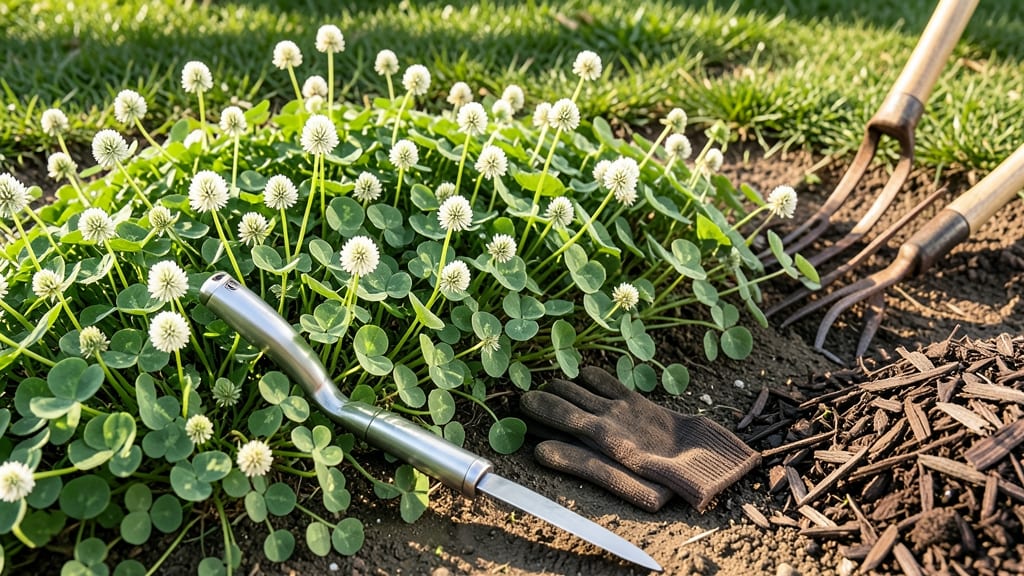
That clover-like weed creeping into your lawn isn't just an eyesore—it's stealing nutrients from your grass. 🌱 I've battled this stubborn invader for years, and the secret to removal without harming your lawn lies in understanding its growth patterns and using targeted methods.
Most people grab the strongest herbicide first, but that can kill your grass too. Instead, I've found that a mix of manual removal, organic treatments, and smart lawn care keeps your yard thick and green. The key is timing—pull weeds when the soil is moist, and they come out cleanly.
By the end of this process, you'll have a lawn so dense that weeds can't take hold. The grass will recover faster, look thicker, and stay healthier with proper watering and mowing habits. This method works for any grass type, from fescue to Bermuda.
Let's get your lawn back to being the envy of the neighborhood!
Root Causes Of Lawn Invaders
If your lawn looks like it’s hosting an uninvited party of clover-like weeds, you’re not alone—these persistent plants thrive thanks to a few key factors. Understanding why they pop up in the first place is the first step to reclaiming your green space naturally.
Let’s break down the science behind their stubborn presence.
Weeds like clover (or its lookalikes) often flourish because they’re adapted to thrive in soil that’s less than ideal for grass. Here’s why:
- Low Nitrogen Levels: Grass craves nitrogen, but clover-like weeds can survive—and even fix nitrogen from the air—thanks to bacteria in their roots. If your soil is nitrogen-poor, these weeds outcompete grass for resources. Test your soil to confirm—most home test kits can reveal deficiencies.
- Compacted or Poor-Draining Soil: Heavy foot traffic, construction, or clay-heavy soil can create a compacted layer that blocks grass roots from accessing water and nutrients. Weeds, with their shallow roots, don’t mind—they’ll sprout in these conditions while grass struggles.
- High pH (Alkaline Soil): Grass prefers a slightly acidic pH (6.0–7.0), but many weeds, including clover mimics, tolerate alkaline soil (pH 7.0+). If your lawn is overrun, lime or agricultural practices may have shifted the pH upward.
Actionable Fix: Amend your soil with compost (to improve structure and nutrients) and consider a slow-release nitrogen fertilizer (like organic options) to give grass a fighting chance. For compacted soil, aeration in fall or spring can work wonders.
Your mower settings might be unintentionally inviting weeds. Here’s how:
- Cutting Grass Too Short: When you scalp your lawn (below 2–2.5 inches), you stress the grass, weakening its root system and leaving bare spots for weeds to colonize. Short grass also gets sunburned, creating the perfect seedbed for clover-like invaders.
- Leaving Clippings (Thatch) Unchecked: While grass clippings are mostly water (80–90%), they can smother grass if they pile up, blocking sunlight. Weeds, which germinate in low-light conditions, take advantage.
- Inconsistent Mowing Height: If you switch between tall and short cuts, grass struggles to establish deep roots, while weeds adapt to any height.
Actionable Fix:
- ✂️ Mow at 3–4 inches (taller for drought-prone areas) and never remove more than ⅓ of the blade at once.
- 🌿 Use a mulching mower to chop clippings into fine pieces—they’ll return nutrients to the soil instead of forming thatch.
- 🔄 Mow regularly (weekly in growing seasons) to prevent clover seeds from maturing and spreading.
Watering habits can make or break your lawn’s resistance to weeds. Here’s how clover-like plants exploit common mistakes:
- Inconsistent Watering: Grass needs deep, infrequent watering (1–1.5 inches per week) to develop deep roots. Frequent light watering (like daily sprinklers) keeps the topsoil moist—perfect for weed seeds—while grass roots stay shallow and weak.
- Overwatering: Soggy soil drowns grass roots but creates ideal conditions for clover-like weeds, which thrive in moist environments. Overwatering also leaches nutrients from the soil, further weakening grass.
- Underwatering: Drought-stressed grass turns brown and thin, leaving gaps for weeds to move in. Some clover-like species are drought-tolerant, making them resilient in dry spells.
Actionable Fix:
- 💦 Water early morning (4–8 AM) to reduce evaporation and fungal risks.
- 🌱 Use a soaker hose or drip irrigation for deep, slow watering (1–2 inches per week, including rain).
- 🔍 Check soil moisture with your finger—if the top 2 inches are dry, it’s time to water.
Not all lawns get equal sun, and clover-like weeds love taking advantage of shade. Here’s why they dominate in these areas:
- Low Light Tolerance: Many grass types (like Kentucky Bluegrass or Fescue) need full sun (6+ hours daily) to thrive. In shady spots, grass grows slowly or dies out, leaving room for shade-tolerant weeds like white clover or creeping charlie.
- Competing Tree Roots: Trees and large shrubs compete for water and nutrients, weakening grass. Their dripline shade also blocks sunlight, creating a weed-friendly zone.
- Thin or Patchy Grass: Bare spots from disease, pet urine, or foot traffic give weeds a foothold. Clover-like seeds germinate quickly in these gaps.
Actionable Fix:
- 🌳 For shady areas, choose shade-tolerant grass like Fine Fescue or Zoysia.
- 🌿 Overseed thin spots in early fall with a dense, weed-resistant grass mix.
- 🪓 Trim overhanging branches to increase sunlight (but avoid damaging trees).
By addressing these root causes, you’ll starve out weeds naturally while giving your grass the upper hand. The key? Consistency—weeds don’t win overnight, and neither will your lawn if you tackle these issues head-on.
Quick Fixes for Stubborn Lawn Invaders
Now that you understand why that clover-like weed keeps popping up in your lawn, it’s time to tackle it head-on—without harming your grass or the planet. Below are targeted solutions based on the most common causes, from overwatering to compacted soil.
Each method is designed to be easy, chemical-free, and effective, so you can reclaim your lawn without breaking a sweat.
If your lawn is soggy and clover-like weeds thrive in moist conditions, reduce watering frequency and improve drainage. Here’s how:
- 🔥 Adjust Your Watering Schedule Water deeply 2–3 times per week (early morning is best) instead of daily light sprinkles. Aim for 1–1.5 inches per week, including rainfall. Overwatering weakens grass and invites weeds.
- 🍳 Fix Drainage Issues If water pools in low spots, create gentle slopes with a rake or topsoil to redirect runoff. For clay-heavy soil, mix in compost or sand (1 inch) to improve aeration.
- 👨🍳 Try a "Drought Stress" Trick Let the lawn go slightly dormant for 2–3 weeks by reducing water. Weeds like clover (which is actually a legume!) struggle in dry conditions, while deep-rooted grass recovers faster.
If foot traffic or heavy equipment has packed your soil, weeds exploit the lack of oxygen and nutrients. Aerate aggressively to break up the compacted layer:
- 🔪 Rent a Core Aerator Rent a core aerator (not just spike aerators) to pull out 3–4 inch plugs of soil. Do this in fall or spring when grass is actively growing.
- 🌡️ Top-Dress with Organic Matter After aerating, spread a ¼-inch layer of compost or a 50/50 mix of compost and sand. This feeds soil microbes, improves structure, and crowds out weeds.
- 🎯 Encourage Grass to Fill Gaps Overseed with a dense, shade-tolerant grass mix (like fine fescue) immediately after aerating. Weeds need bare spots to take hold—starve them out with thick grass!
If your lawn is in deep shade, clover-like weeds (or even true clover) may outcompete grass. Increase sunlight gradually with these tricks:
- 🌳 Trim Overhanging Branches Prune trees and shrubs to let in at least 4–6 hours of sunlight daily. Avoid aggressive pruning in summer (stress = more weeds).
- 💡 Install Reflective Mulch (Temporary Fix) Lay white landscape fabric or reflective mulch under trees to bounce light onto the lawn. Remove after a few months to avoid smothering grass.
- ✨ Choose Shade-Tolerant Grass Replace weak grass with Kentucky bluegrass, tall fescue, or creeping red fescue, which handle shade better than St. Augustine or Bermuda.
Weak grass = weed paradise. Feed and fortify your lawn to outmuscle invaders:
- 📊 Soil Test First! Grab a DIY soil test kit ($10–$20) to check pH and nutrient levels. Aim for pH 6.0–7.0—clover thrives in alkaline soil (pH 7.0+).
- 💪 Apply Organic Fertilizer Use a slow-release, nitrogen-rich fertilizer (like fish emulsion or bone meal) in early spring and fall. Avoid synthetic fertilizers—they can burn grass and feed weeds.
- 🥗 Mow High and Leave Clippings Set your mower to 3–4 inches—taller grass shades out weeds and develops deeper roots. Never bag clippings (they return nutrients to the soil!).
Once you’ve banished the clover-like weeds, lock them out with these habits:
- 💡 Weekly Weed Patrol Pull weeds by hand when they’re small (they’re easier to remove before they seed!). Use a weed torch (for broadleaf weeds only) in dry conditions.
- 🌡️ Adjust Mowing Patterns Change mowing direction every few weeks to prevent soil compaction and encourage even grass growth.
- 🎯 Plant a Weed-Blocking Ground Cover Mix creeping thyme, clover (white Dutch clover), or microclover into your lawn—these crowd out weeds while adding nitrogen naturally.
- ✨ Solarize Problem Spots (For Stubborn Areas) Cover weedy patches with clear plastic sheeting for 4–6 weeks in hot sun. The trapped heat kills weeds and seeds without chemicals.
If your lawn has large bare patches, severe compaction, or invasive weeds (like nutsedge or crabgrass), consider hiring a local lawn care specialist for deep soil analysis and treatment. They can recommend targeted organic herbicides (like corn gluten meal) if needed.
Remember: Patience is key—weeds don’t disappear overnight, but with consistent care, your lawn will become a weed-resistant fortress in 3–6 months. 🚀
Frequently asked questions
How can I tell if my clover-like weed is actually clover or something else?
True clover has three heart-shaped leaves (a key identifier) and grows low to the ground. Look for white or pink flower clusters in spring. If your "clover" has four or more leaves, it's likely creeping charlie (a weed) or microclover (which can be beneficial). Check the root system too—clover roots have small nodules where nitrogen-fixing bacteria live.
Will vinegar really kill clover-like weeds without harming my grass?
Vinegar can work, but it's not selective—it'll kill both weeds and grass. For spot treatment, use a 1:1 vinegar-water mix with 1 teaspoon dish soap on a sunny day. Apply only to weeds, avoiding grass blades. For better results, try corn gluten meal (pre-emergent) or boiling water (for small patches) instead.
How often should I pull weeds to prevent them from coming back?
For best results, pull weeds weekly during growing seasons (spring-fall). Focus on removing them before they flower—this prevents seed production. For stubborn patches, try the "solarization" method: cover weedy areas with clear plastic for 4-6 weeks in hot sun to kill everything underneath.
Can I use corn gluten meal to prevent clover-like weeds, and when should I apply it?
Yes! Corn gluten meal is a natural pre-emergent herbicide that prevents weed seeds from sprouting. Apply 20 pounds per 1,000 sq ft in early spring (before weeds germinate) and again in early fall. It also adds organic nitrogen to your soil—just keep it away from newly seeded areas.
Why does my lawn keep getting weeds even after I treat it?
Weeds often return because they're spreading from nearby areas (like sidewalks or driveways) or because your grass isn't thick enough to compete. Check for bare spots and overseed those areas. Also, many weeds produce thousands of seeds—consistent maintenance (mowing, watering, fertilizing) is key to keeping them at bay.