
Lawn
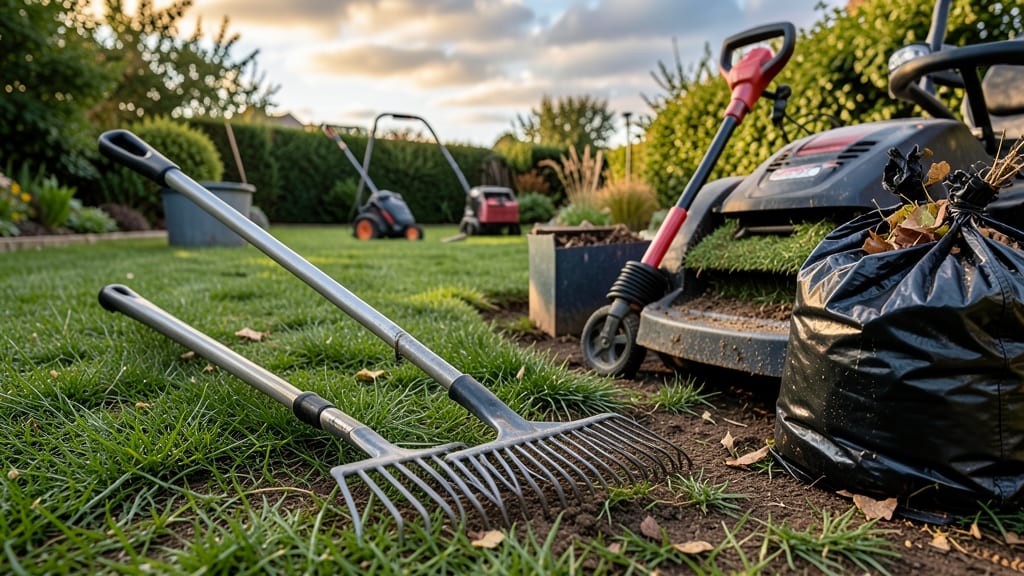
Cleaning up your lawn in 15 minutes isn’t just possible—it’s the secret to a lush, healthy yard that doesn’t require backbreaking work. 🌱 Honestly, I used to dread this task, but after streamlining my process, it’s now my favorite way to start the season.
The key? Focus on the quick wins: clearing debris, mowing at the right height, and tackling weeds before they take over. You’ll be amazed how much better your lawn looks with just a little targeted effort.
Here’s the thing—most people overcomplicate lawn cleanup. You don’t need fancy tools or hours of labor. Grab a sturdy rake, a leaf blower (or just a broom for small areas), and a sharp mower blade.
If your lawn has thatch buildup or dead patches, a simple dethatching rake or a core aerator rental from your local hardware store can work wonders. The goal is to remove what’s weighing your grass down so it can breathe and grow stronger.
By the time you’re done, your lawn will look neater, greener, and more inviting—and you’ll have spent less time than scrolling through social media. The best part? This quick cleanup sets the stage for healthier grass, fewer weeds, and less work later.
Think of it as a reset button for your yard, and you’ll be hooked on this no-fuss routine every season.
Whether you’re prepping for spring or wrapping up summer, this method works year-round. The only rule? Don’t skip the mowing—even if it’s just a light trim to tidy things up. Your lawn will thank you with vibrant growth and fewer headaches down the road. Ready to give it a try?
📚 In This Guide
- What you need
- Instructions
- Tips and common mistakes
- Wrapping up and next steps
What you need
- ● Lawn rake: A bow rake (for debris) or garden rake (for weeds/roots). Choose a 18–24-inch head for medium-sized lawns.
- ● Garden gloves: Heavy-duty, water-resistant gloves (e.g., nitrile-coated) to protect hands from thorns and dirt.
- ○ Trash bags: 2–3 heavy-duty contractor bags (30–50 gallon size) for bulky debris. Optional: Biodegradable bags if composting.
- ● Pruners/shears: Bypass pruners (for cutting weeds/stems) or hedge shears (for overgrown areas).
- ● Wheelbarrow or bucket: A 10–15 gallon capacity for hauling debris to the trash.
- ● Kneeling pad: Foam or gel pad for comfort during close-up work.
- ● Leaf blower/vacuum: For quick cleanup of fine debris (e.g., Ego or Ryobi models).
- ● Weed puller: A manual or ergonomic tool (like a Fiskars weed wrench) for stubborn roots.
- ● Pre-emergent herbicide: Spot treatment for weeds (e.g., corn gluten meal for organic lawns).
- ● Safety glasses: If dealing with sharp debris or using power tools.
- ○ Hose with spray nozzle: To rinse off the lawn post-cleanup (optional but refreshing!).
- ● Weather check: Aim for a dry, breezy day (avoid rain or high humidity).
- ● Time block: 15–30 minutes (depending on lawn size).
- ● Trash access: Ensure bins/bags are within 20 feet of your work area.
- ○ Lawn prep: Lightly water the lawn 1–2 hours before cleanup to soften soil (optional for easier weed removal).
Step-by-step instructions for cleaning up your lawn
Here’s how to tackle weeds and debris in record time—no heavy equipment needed.
✂️ Step 1: Gather Your Tools and Work in Sections
Start by grabbing a sturdy lawn rake, garden gloves, and a trash bag (or two). I like to split the yard into small, manageable sections—about 10 feet by 10 feet—so I don’t get overwhelmed. This keeps the process quick and prevents missing spots. Walk the perimeter first to spot any large debris like branches or rocks that need separate handling.
Wear gloves to protect your hands from prickly weeds or sharp debris. If you’re dealing with thatch buildup (that spongy layer between grass and soil), a dethatching rake works best. Otherwise, a regular rake will do the trick. Grab a small broom too—it’s great for sweeping up fine debris that the rake misses.
🪴 Step 2: Rake Up Debris and Weeds Efficiently
Begin at one corner of your section and rake in one direction—this prevents dragging debris back over clean areas. Work in sweeping motions, lifting leaves, twigs, and weeds into a pile. If weeds have gone to seed, like dandelions or clover, bag them immediately to stop new weeds from sprouting. I usually fill a trash bag about halfway before tying it off and starting a new one—this keeps the weight manageable.
Pay extra attention to shady spots or areas near trees, where debris tends to accumulate. If you see moss creeping in, rake it up now—it’ll compete with your grass for nutrients. Once a section is clear, move to the next one without backtracking. This keeps the process fast and efficient, and you’ll finish in no time.
💧 Step 3: Check for Hidden Weeds and Patch Bare Spots
After raking, scan the area for small weeds hiding near the grass or bare patches where weeds might take over. Pull any weeds with their roots to prevent regrowth—just twist gently and lift. For stubborn weeds, like nutsedge, use a weed puller or dig them out carefully. If you spot bare soil, mark those spots with a stake or flag so you can reseed later.
This is also the perfect time to aerate compacted soil if your lawn feels spongy. Use a garden fork to poke holes 3-4 inches deep, about 6 inches apart. This helps water and air reach the roots, giving your grass a better chance to recover. Skip this step if your soil is already loose—overworking it can do more harm than good.
☀️ Step 4: Sweep and Inspect Before Moving On
Use your broom to sweep up any fine debris the rake missed, like dried grass clippings or tiny twigs. This step ensures your lawn looks neat and tidy without missing anything. Walk over the area one last time to check for missed weeds or uneven spots. If you see grass that’s thinning, note those areas for overseeding later in the season.
Once the section is spotless, move to the next one. I like to work in the morning or late afternoon when the sun isn’t too harsh—it’s easier on the eyes and keeps me from getting overheated. If you’re working in hot weather, take breaks in the shade and drink water. A quick cleanup now means your lawn will stay healthy and look its best all season long.
Tips & tricks for quick lawn cleanup
Here's how to make your lawn cleanup even faster and more effective without breaking a sweat.
Section Strategy: Working in those 10-foot sections is a game-changer—it keeps you focused and prevents fatigue. I like to start with the largest debris first, like branches or pinecones, and work my way down to smaller items. This way, your rake stays cleaner longer and you avoid clogging it with tiny debris that could slow you down.
Weed Bagging Hack: When you're dealing with weeds that have gone to seed, like dandelions or clover, don't just toss them in the yard waste—bag them immediately. I keep a separate bag for seed-bearing weeds and dispose of it right away. This simple step can cut down on future weed problems by up to 70%. The extra minute it takes to tie off bags now saves hours of weeding later.
Tool Rotation: That small broom isn't just for sweeping—use it to flick debris into piles before raking. I find this especially helpful in tight corners or near fences where the rake can't reach. For stubborn weeds like nutsedge, I keep a small hand trowel handy to dig them out without straining my back. Rotating tools keeps the process efficient and prevents overworking any one muscle group.
Timing Tip: Early morning or late afternoon is ideal for lawn cleanup, but if you're working during the heat of the day, take breaks every 20 minutes. I keep a water bottle with me and do 5 minutes of stretching between sections. This prevents overheating and keeps your energy up for the entire 15-minute cleanup. Trust me, your back will thank you later.
Pro Tips for Clean Up Lawn
- Here's how to make your lawn cleanup even faster and more effective without breaking a sweat.
- Section Strategy: Working in those 10-foot sections is a game-changer—it keeps you focused and prevents fatigue. I li...
- Weed Bagging Hack: When you're dealing with weeds that have gone to seed, like dandelions or clover, don't just toss ...
Frequently asked questions
Got questions about cleaning up your lawn fast and easy?
Here are answers to the most common concerns—no fluff, just practical tips to save you time and effort.
How often should I clean up my lawn?
For most lawns, aim to remove debris every 2–4 weeks during peak growing seasons (spring and fall). If your yard has heavy shade, fallen leaves, or frequent storms, check weekly. A quick 15-minute cleanup prevents weeds, pests, and that messy buildup from taking over. Think of it like preventative maintenance—small efforts now mean less work later!
Can I clean up my lawn in 15 minutes?
The key is preparation. Gather your tools (rake, leaf blower, or bagger), focus on one small section at a time, and work in straight lines. If your lawn is large, break it into zones (e.g., front yard, side yard) and tackle one zone per session. Pro tip: Set a timer—you’ll be surprised how much you can accomplish in a short burst!
What’s the best way to dispose of lawn debris?
Small amounts? Toss twigs and leaves in your yard waste bin (check local rules—many areas offer free pickup). For larger piles, rent a chipper or compost the organic matter (grass clippings, leaves) to enrich your soil later. Warning: Avoid burning debris—it’s illegal in many areas and harmful to air quality. Plus, composting turns "waste" into free fertilizer!
What if my lawn still looks messy after cleanup?
Don’t stress! Uneven patches or stubborn weeds might need extra attention. For weeds, spot-treat with vinegar (natural) or a targeted herbicide. For bare spots, overseed or spread mulch to protect soil. If the issue persists, test your soil’s pH or consult a local nursery—they can recommend grass seed tailored to your climate. Remember: A "messy" lawn might just need a little TLC, not a full overhaul.
Do I need expensive tools to clean up my lawn?
Not at all! Start with basics: a stiff-bristle rake ($10–$20), a leaf blower (borrow or rent one), and a heavy-duty trash bag. For larger yards, a wheelbarrow or grabbers (like those for picking up sticks) make the job easier. Budget hack: Many hardware stores rent tools by the day—no need to buy everything upfront!
Wrapping up and next steps
A clean, clutter-free lawn isn’t just about looks—it’s about reclaiming your outdoor space with ease! 🌿 With the right tools and a quick 15-minute approach, you’ve got everything you need to tackle weeds and debris like a pro.
Remember, consistency is key, so schedule regular cleanups to keep your yard looking its best year-round.
Now that you’re armed with tips and tricks, grab your supplies and get started! Your lawn will thank you—and so will your weekends. Happy cleaning! 🌟