
Pests
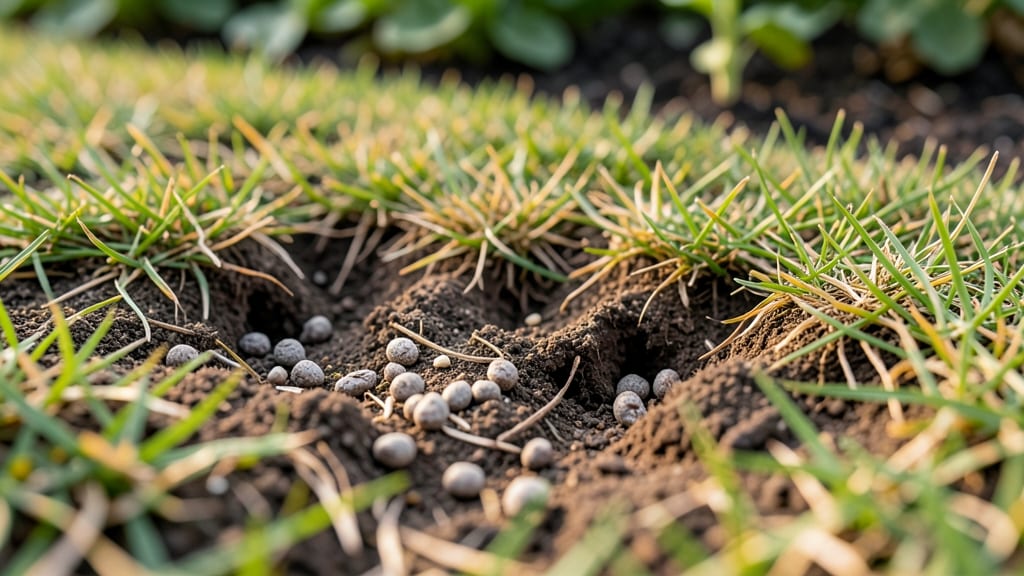
Chipmunk lawn damage turns your carefully maintained yard into a dig site overnight. 🌱 I’ve watched these striped troublemakers shred grass, uproot bulbs, and leave behind a landscape that looks like a construction zone—all in a single night.
The worst part? Their tunnels weaken grass roots, creating bare patches that invite weeds and further damage.
The signs are unmistakable: fresh mounds of dirt, scattered seed packets, and chewed-up plant stems. Unlike squirrels or rabbits, chipmunks focus on small, precise digs—often near sidewalks, garden beds, or under decks.
Their damage spreads fast, but the good news is that fast action can stop it before your lawn becomes their personal buffet.
You’ll learn how to identify their activity, block access with simple barriers, and use humane deterrents that actually work. No more waking up to another "landslide" in your yard—just a lawn that stays intact and thrives. Let’s get those chipmunks out of your grass for good.
This works for both small patches and large lawns, whether you’re dealing with a few persistent diggers or a full-blown invasion. The key is acting before the damage becomes permanent—so your grass recovers faster and stays healthy all season.
Root Causes Of Lawn Tunneling
Chipmunks may look like harmless, scurrying backyard critters, but when they take up residence in your lawn, they can turn it into a maze of tunnels and chewed-up turf.
Understanding why they dig and destroy is the first step to stopping the damage. Here’s a breakdown of the key reasons behind their destructive behavior:
Chipmunks are omnivores with a voracious appetite, and your lawn may be an all-you-can-eat buffet. These tiny rodents dig to:
- Unearth seeds, nuts, and berries—especially if your lawn borders wooded areas or has scattered plant debris. Acorns, sunflower seeds, and even fallen fruit are irresistible snacks.
- Access buried bulbs and roots—they’ll tunnel near garden edges or flower beds to snack on tender plant parts, leaving behind jagged holes and wilted greenery.
- Forage for insects and grubs—chipmunks dig to hunt for larvae, beetles, and worms, which are high-protein treats. If your lawn has a thriving insect population (often due to overwatering or poor drainage), it becomes a magnet for them.
Actionable insight: If your lawn has thick thatch layers or moist, loose soil, chipmunks will find it easier to dig. Reducing organic debris and improving drainage can make your lawn less appealing to them.
Chipmunks are solitary but territorial, and they need safe, dry spots to build nests—especially during mating season (spring) or harsh weather. Your lawn provides the perfect conditions because:
- Grass and soil offer insulation—they dig burrows 1–2 feet deep to regulate temperature, avoiding predators and extreme heat/cold.
- Undisturbed areas are ideal—chipmunks avoid high-traffic zones, so overgrown grass, mulch piles, or unkempt edges become prime real estate.
- They repurpose old tunnels—if squirrels, voles, or other burrowing animals have already dug in your yard, chipmunks will expand those tunnels for their own use.
Pro tip: 🔥 Mow regularly and remove leaf litter to eliminate hiding spots. If you spot fresh mounds of dirt, it’s a sign they’re actively nesting—act fast to disrupt their plans.
Chipmunks don’t dig randomly—they follow a schedule tied to survival and reproduction. Key triggers include:
| Season | Why They Dig | Damage Risk |
|---|---|---|
| Spring | Mating season—males dig aggressively to establish territories and attract females. | ⚠️ Peak tunneling near property edges, flower beds, and garden borders. |
| Summer | Hot weather drives them underground to escape heat; they also cache food for winter. | ⚠️ Shallow, widespread holes as they create temporary shelters. |
| Fall | Food storage frenzy—they bury nuts, seeds, and insects for winter, creating massive tunnel networks. | ⚠️ Most destructive; lawns may look like a golf course after a chipmunk party. |
| Winter | Less active above ground, but they expand existing burrows for insulation. | ⚠️ Hidden damage—tunnels may collapse under snow, killing grass. |
Key takeaway: Fall is the worst time for chipmunk damage. If you see them caching food, they’re preparing for a long winter—and your lawn will pay the price.
Sometimes, the problem isn’t the chipmunks—it’s your yard’s setup. These factors invite them to dig:
- Overwatered or soggy lawns—chipmunks love soft, easy-to-dig soil. If your sprinklers run too long, you’re basically rolling out the welcome mat.
- Poor drainage—standing water or compacted soil makes tunneling effortless. They’ll exploit weak spots near downspouts or low-lying areas.
- Lack of predators—if your yard has no owls, snakes, or cats, chipmunks feel safe to claim it as their own.
- Human activity—disturbing their tunnels (e.g., with lawnmowers or foot traffic) forces them to relocate and dig deeper.
Fix it: 🌡️ Test your soil’s moisture—if it’s damp within 2 inches of the surface, chipmunks will target it. Aerate compacted areas and redirect water runoff to dry out their favorite digging spots.
Quick Fixes for Furry Garden Invaders
Chipmunks may be adorable, but their digging, burrowing, and nibbling can turn your lawn into a warzone faster than you can say "squirrel season." The good news? With the right strategies, you can stop the damage in its tracks—and even deter future chipmunk parties.
Below, we’ve mapped out targeted solutions based on the most common causes of chipmunk lawn destruction, from surface-level snacking to deep-rooted tunneling. Plus, we’ll share pro tips to keep your yard chipmunk-free long-term.
Cause: Chipmunks tunnel for nests, food storage, or shelter. If your lawn feels like Swiss cheese, they’ve claimed it as their personal project. Fix It:1. Block Their Access Points 🛡️
- Install hardware cloth (1/4-inch mesh) around garden beds, flower pots, or vulnerable areas. Bury it 6–12 inches deep to prevent digging underneath.
- For high-risk spots, use plastic plant guards or metal edging to create physical barriers.
2. Fill & Seal Tunnels 🏗️
- Once you spot active tunnels, pack them with gravel, sand, or crushed rock—chipmunks hate the texture and will avoid them.
- For deeper holes, mix quick-drying concrete (like Quikrete) with water and pour it in. Let it harden overnight.
3. Disrupt Their Nesting Sites 🏠
- Chipmunks love dense mulch, leaf piles, or thick grass. Reduce hiding spots by keeping mulch 2–3 inches deep and raking leaves into piles (then remove them).
- If you find a nest, relocate it gently (use a shovel to lift the soil and transfer it to a wooded area, at least 50 feet away). Do this before dawn or after dusk when they’re least active.
💡 Pro Tip: Sprinkle coarse sand or diatomaceous earth (food-grade) around entry points. It irritates their paws and discourages digging.
Cause: Chipmunks snack on grass, bulbs, and young plants—especially in early spring when food is scarce. Fix It:1. Protect Vulnerable Plants 🌱
- Wrap tree trunks and saplings in tree guards or chicken wire (secure with wire ties).
- For bulbs (like tulips or daffodils), plant them deeper than 6 inches—chipmunks struggle to dig that far.
- Use hot pepper spray (mix 2 tbsp cayenne pepper + 1 tsp dish soap + 1 gallon water) on leaves. Reapply after rain.
2. Remove Food Sources 🚫🍎
- Pick up fallen fruit, seeds, or birdseed from the ground. Chipmunks are opportunistic eaters!
- Avoid overwatering lawns—damp soil attracts them. Water deeply but infrequently.
3. Use Repellents They Hate 🌶️
- Soak cotton balls in peppermint or eucalyptus oil, place them in mesh bags, and scatter around the yard.
- Try commercial repellents like Bobcat’s Chipmunk Repellent (contains capsaicin). Follow label instructions.
🔥 Pro Tip: Plant deterrent plants like allium (garlic chives), daffodils, or marigolds—chipmunks dislike their scent.
Cause: If chipmunks keep returning, they’ve likely found a reliable food/water source or feel safe in your yard. Fix It:1. Secure Trash & Compost 🗑️
- Use metal trash cans with locking lids and store compost in enclosed bins.
- Clean up pet food bowls after meals—chipmunks are bold enough to steal kibble!
2. Eliminate Water Sources 💧
- Fix leaky hoses or birdbaths—standing water attracts chipmunks.
- If you have a pond, add a small fountain (the movement deters them).
3. Set Humane Traps (Then Relocate) 🐿️🚗
- Use a live trap (like the Havahart Chipmunk Trap) baited with sunflower seeds or peanut butter.
- Check traps daily. Relocate chipmunks at least 5 miles away in a wooded area. Never release them near your home!
- 🚨 Warning: Check local laws—some areas require permits for trapping.
🌡️ Pro Tip: Place traps along runways (look for worn paths in the grass) for better success.
Cause: Chipmunks return if your yard remains inviting. Break the cycle with these habits. Fix It:1. Keep the Lawn Tidy 🧹
- Mow regularly to remove hiding spots.
- Trim overgrown bushes near the house—chipmunks use them as highways.
2. Use Motion-Activated Deterrents 🎯
- Install ultrasonic repellents (like the Neatmaster Ultrasonic Animal Repeller) near entry points.
- Set up motion-activated sprinklers (like ScareCrow) to startle them away.
3. Encourage Natural Predators 🦉
- Install owl or hawk perches (fake or real) in your yard—chipmunks fear these birds.
- Leave some leaf litter in wooded areas to attract snakes or foxes (their natural predators).
✨ Pro Tip: Plant rosemary, lavender, or mint near problem areas—their strong scents repel chipmunks naturally.
Final Reminder: Chipmunks are not rats—they’re protected in many areas, so avoid poisons or traps that harm them. Stick to humane, persistent methods, and you’ll reclaim your lawn without guilt. 🏡💚
Frequently asked questions
How can I tell if chipmunks are causing my lawn damage?
Look for small, cone-shaped mounds of dirt (about 2-4 inches wide) and shallow tunnels near sidewalks or garden edges. Chipmunks also leave behind chewed plant stems and scattered seed packets. Unlike moles, their holes are shallow and often appear in clusters. Check for runways—worn paths in the grass where they scurry.
Are chipmunks dangerous to have around?
Chipmunks are generally harmless to humans—they don’t carry diseases like rodents and won’t attack unless threatened. However, they can destroy lawns by tunneling and damage plants by eating bulbs and seeds. Their burrows also weaken grass roots, creating weak spots that invite weeds. The real issue is their persistent digging, not any health risks.
What’s the fastest way to fill chipmunk tunnels?
For shallow holes, pack them with coarse sand or gravel—chipmunks dislike the texture and will avoid the area. For deeper tunnels, mix quick-drying concrete (like Quikrete) with water and pour it in. Let it harden overnight. Avoid filling with soil—they’ll just dig again! For long-term prevention, install hardware cloth barriers around problem areas.
Will peppermint oil really keep chipmunks away?
Yes! Chipmunks hate the scent of peppermint. Soak cotton balls in peppermint oil, place them in mesh bags, and scatter them near entry points. Reapply every 2-3 days or after rain. For stronger protection, combine it with eucalyptus oil—the combined scent is even more effective. Just avoid spraying directly on plants, as it can harm foliage.
Can I trap and relocate chipmunks myself?
Yes, but check local laws first—some areas require permits for wildlife relocation. Use a humane live trap (like Havahart) baited with sunflower seeds or peanut butter. Check traps daily and relocate chipmunks at least 5 miles away in a wooded, natural area. Never release them near your home—they’ll return! Pro tip: Place traps along their runways for better success.