
Lawn
Struggling with persistent chickweed in your lawn? These 10 natural removal methods eliminate the problem without harsh chemicals, using only organic techniques that work within two weeks or less. Perfect for eco-conscious gardeners tired of toxic solutions.
Boiling Water Spot Treatment
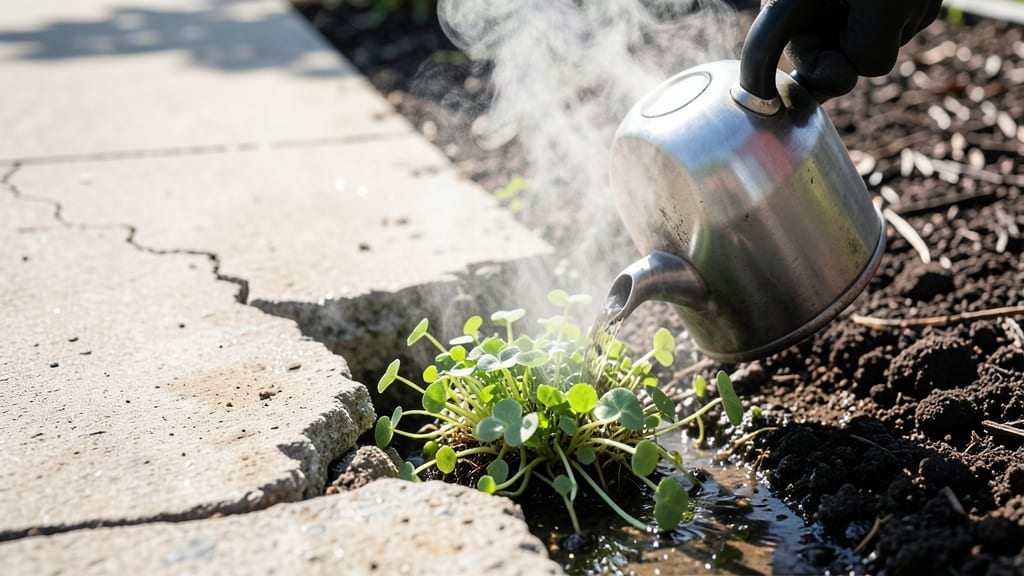
When chickweed pops up in tight spots like between sidewalk cracks or garden borders, you need a precision weapon—not a broad chemical spray. Boiling water delivers an instant kill to isolated patches without disturbing surrounding plants or soil structure.
Simply pour freshly boiled water directly onto the chickweed stems until they're fully saturated. The 100°C+ temperature disrupts cell membranes within seconds, causing immediate wilting. For best results, treat on sunny days when plants are actively growing. This method works especially well for small, defined areas where you want to avoid overspray or collateral damage to grass.
Urban gardeners and homeowners with limited space will love this zero-waste, chemical-free solution—no cleanup required beyond the steam! Just be cautious near concrete or pavement to avoid heat damage. 💚
Corn Gluten Meal Pre-Emergent Barrier
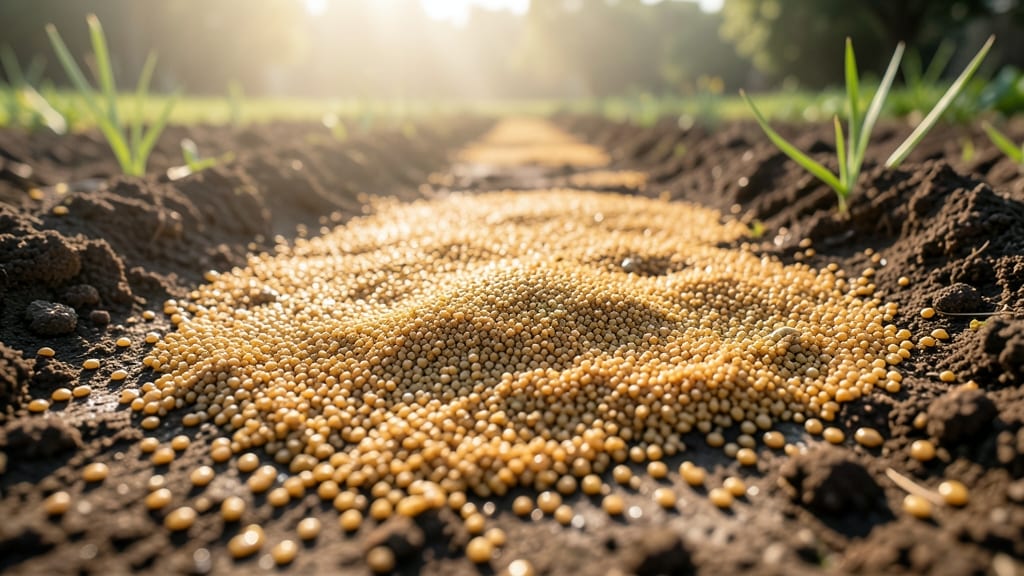
If you want to stop chickweed before it starts, corn gluten meal is your secret weapon. This natural pre-emergent barrier disrupts chickweed seeds' ability to sprout, giving your lawn a clean slate without synthetic chemicals. The key is timing—apply it in early spring when chickweed seeds are just waking up from dormancy.
Sprinkle a 10-pound bag per 500 square feet evenly over your lawn after mowing, then water lightly to activate. The meal breaks down slowly, providing protection for up to three months while also enriching your soil with nitrogen. It’s especially effective for organic gardeners who prioritize long-term prevention over reactive treatments.
This method is ideal for those who want to eliminate chickweed at the source rather than fighting it after it takes hold. Perfect for eco-conscious lawn care enthusiasts who refuse to compromise on chemical-free practices! 🌱
Vinegar Salt Spray Solution
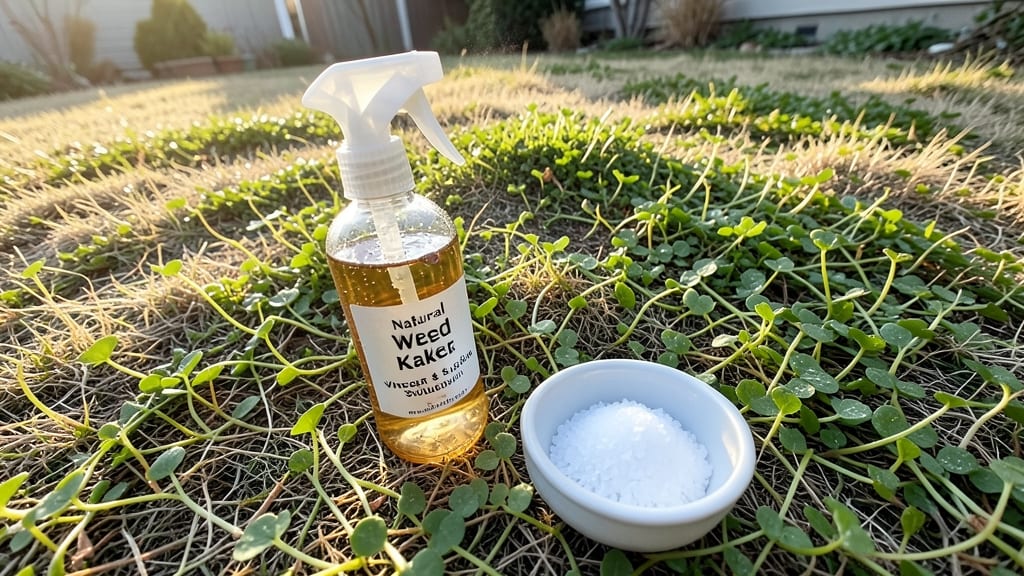
When your lawn is blanketed in stubborn chickweed and you need results fast, a vinegar salt spray is your secret weapon. This potent organic herbicide combines the natural acidity of vinegar with the desiccating power of salt to kill weeds on contact—without synthetic chemicals.
Mix 1 gallon of white vinegar (5% acidity), 1 cup of salt, and 1 tablespoon of dish soap in a spray bottle. Apply on a sunny day when chickweed is actively growing, focusing on the leaves until fully saturated. The solution works within 24-48 hours, turning weeds brown and crispy. For large lawns, use a hose-end sprayer to cover expansive areas efficiently.
This method is perfect for gardeners who want fast, chemical-free results and don’t mind a little elbow grease. Just avoid spraying desirable plants—vinegar can harm them too! 🌟
Hand-Pulling with Garden Gloves
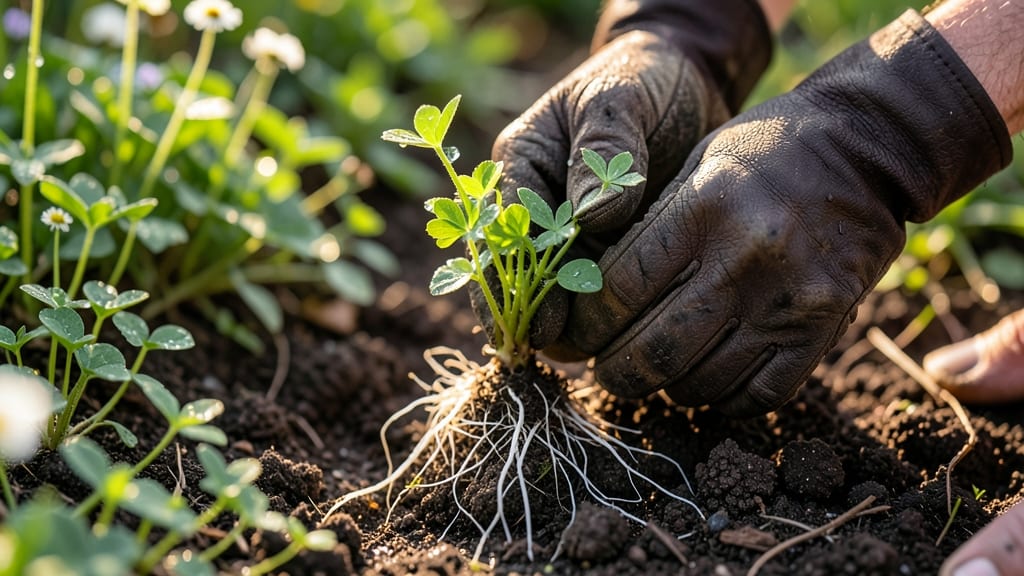
If you enjoy the hands-on satisfaction of gardening, hand-pulling chickweed with garden gloves is the most satisfying way to tackle small infestations—especially after a rain when the soil is soft and cooperative. This tactile method gives you direct control, ensuring you remove the entire root system without any chemical residue.
Wait for a damp, overcast day when the soil is moist but not muddy, making it easier to grasp and pull weeds cleanly. Use thick gardening gloves to protect your hands from prickly stems and soil-borne bacteria, and work in sections to avoid missing any roots. For stubborn chickweed, twist the plant gently while pulling upward to break the root system completely. This method is ideal for gardeners who prefer a zero-waste, chemical-free approach and enjoy the meditative rhythm of weeding by hand.
Perfect for small patches or newly emerging weeds, hand-pulling is also a great way to inspect your lawn closely, spotting other issues like soil compaction or hidden pests. Plus, you’ll avoid the risk of damaging nearby grass or plants that other methods might affect. 💪
Diatomaceous Earth Dust Application
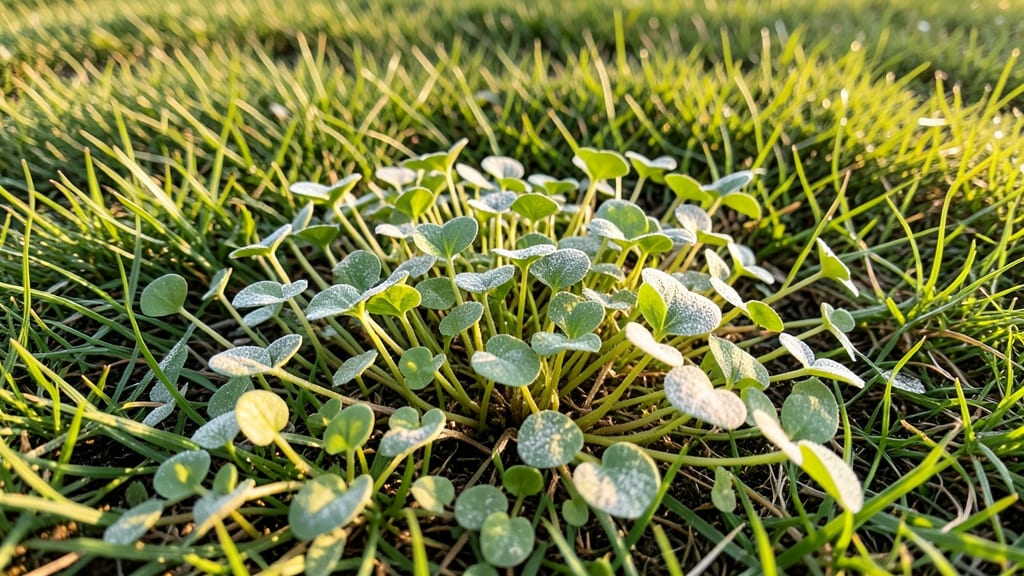
Tired of chemical sprays that could harm your family or pets? Diatomaceous earth (DE) offers a safe, natural way to eliminate chickweed by dehydrating its leaves and stems—no toxic residues left behind.
Lightly dust a thin layer of food-grade DE directly onto chickweed on dry, sunny days when humidity is low. The microscopic particles create tiny cuts in the weed’s waxy coating, causing rapid moisture loss. Reapply every 3-5 days until the chickweed withers completely. This method works best in organic lawns where chemical herbicides are off-limits.
Gardeners with curious pets or kids will love this solution—DE is completely safe once settled into the soil and won’t harm beneficial insects like bees or earthworms. Just avoid windy days to prevent drift. ✨
Heavy Mulching with Straw
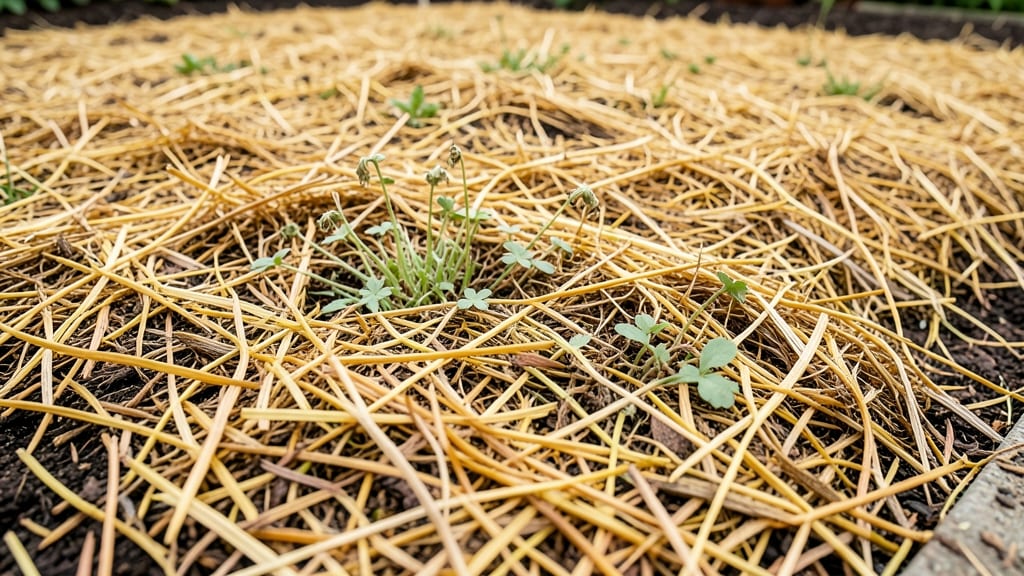
Tired of chickweed creeping back into your garden beds after every treatment? Heavy mulching with straw is the ultimate "set it and forget it" solution—no more weekly weeding battles. This method smothers chickweed by cutting off its sunlight supply, which is especially effective in garden beds and pathways where weeds thrive in thin soil.
Spread a 4-6 inch layer of straw over infested areas, ensuring complete coverage of chickweed stems. The straw breaks down slowly, suppressing weeds while improving soil health over time. Unlike chemical sprays or manual pulling, mulching requires zero maintenance once applied—just refresh the layer annually. It’s ideal for gardeners who want a long-term, eco-friendly way to keep chickweed at bay without constant effort.
Perfect for vegetable gardens, flower beds, or even problematic pathways, straw mulching transforms weedy areas into lush, weed-free spaces with minimal work. 🌱
Essential Oil Herbicide Spray
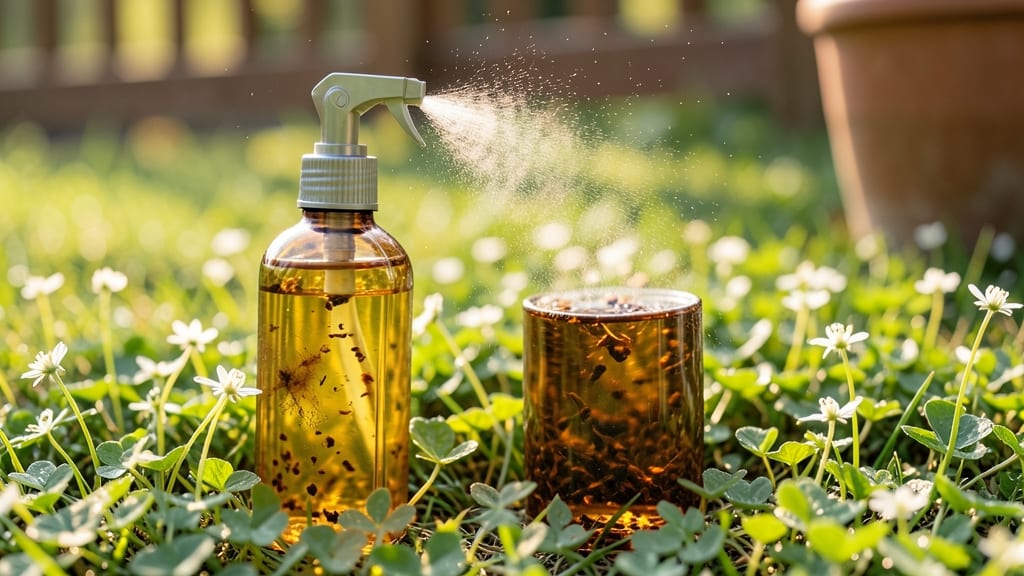
Tired of chemical herbicides but still want to banish chickweed fast? A natural essential oil spray made with clove and citrus oils delivers potent results without harming your lawn or the environment. This blend disrupts chickweed cell membranes on contact, killing weeds within 24-48 hours while leaving grass unscathed.
Mix 10 drops of clove oil, 15 drops of citrus oil (like lemon or orange), and 1 teaspoon of dish soap into 1 quart of water for a simple, effective spray. Apply on a sunny day when chickweed is actively growing—avoid windy conditions to prevent drift. Reapply every 3-5 days for stubborn patches, and store the solution in a dark glass spray bottle to preserve potency.
This method is perfect for organic gardeners who want a chemical-free yet powerful alternative to vinegar or salt sprays. Plus, the fresh scent doubles as a natural pest deterrent! 🌿
Smothering with Cardboard Sheets
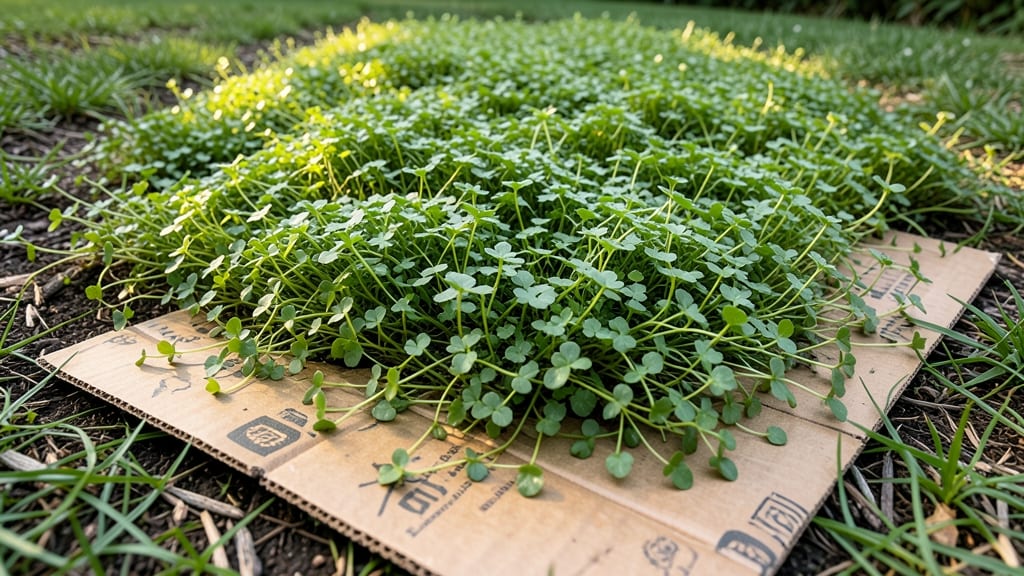
When chickweed has taken over a large section of your lawn or garden bed, cardboard sheets become your secret weapon. This method isn’t just effective—it’s also one of the most eco-friendly ways to eliminate weeds without chemicals, making it ideal for gardeners who prioritize sustainability.
Lay down thick cardboard sheets (avoid glossy or colored varieties) directly over the chickweed, ensuring they overlap slightly. Secure the edges with rocks or soil to prevent wind from lifting them. The cardboard blocks sunlight and oxygen, which kills the chickweed within 4-6 weeks while also suppressing future weed growth. This method works best in dry conditions and is perfect for preparing areas for new planting.
Eco-conscious gardeners will love this approach because it’s zero-waste—the cardboard will eventually break down into the soil, adding organic matter. It’s also a great solution for large patches where other methods would be too time-consuming. 🌱
Duck or Goose Grazing
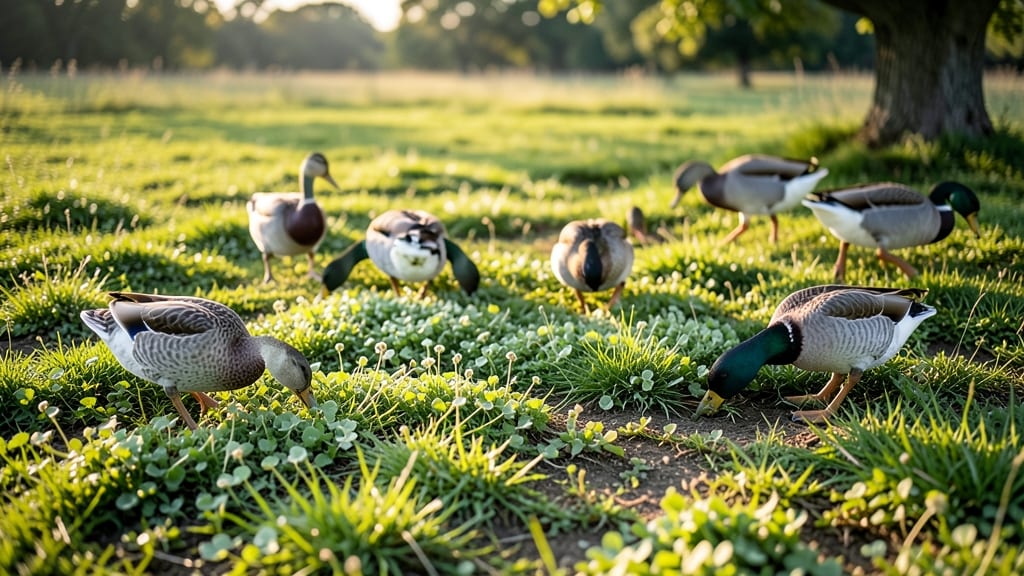
If you’re a rural gardener with ducks or geese, you already have a free, eco-friendly chickweed eradication system at your fingertips. Chickweed is a favorite snack for poultry, and their grazing habits can clear your lawn naturally while providing enrichment for your birds.
Release your flock onto the affected area for 20-30 minutes daily during the growing season (spring to fall). Geese are particularly effective due to their grazing intensity, while ducks will nibble away at smaller patches. This method also fertilizes the soil with poultry droppings, improving lawn health over time. Just ensure your birds have access to fresh water nearby to prevent overgrazing.
This approach is ideal for larger lawns or farm settings where poultry already roam. It’s a zero-waste solution that turns a weed problem into a resource—double the benefit for minimal effort. 🌱
Soap Spray for Chickweed Control

Tired of spending money on store-bought weed killers when you already have the perfect solution in your kitchen? A simple soap spray made with dish soap and water can eliminate chickweed within 24 hours—without breaking the bank or harming your lawn.
Mix 1 tablespoon of mild dish soap with 1 gallon of water in a spray bottle. Apply directly to chickweed on a sunny day, ensuring full coverage of the leaves. The soap disrupts the plant’s cell membranes, causing wilting and death within a day. For best results, reapply every 3-4 days until the weeds disappear completely.
This method is ideal for budget-conscious gardeners who want a fast, non-toxic fix—no fancy tools or expensive products required. Plus, it’s safe for pets and children once dry, making it a hassle-free choice for families. 🌱