
Lawn
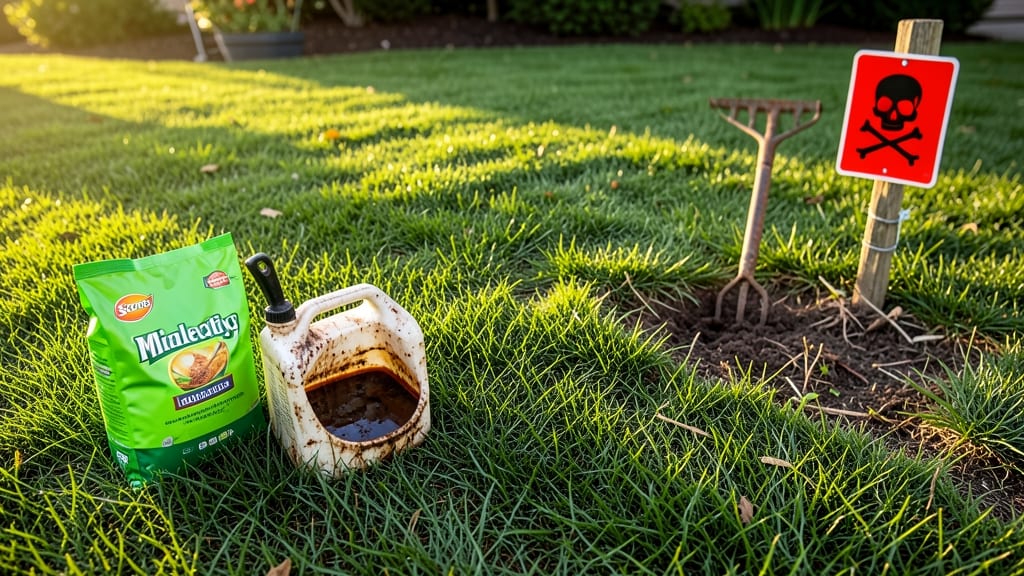
You should never use old motor oil to fertilize your lawn—it contains harmful chemicals like zinc, lead, and sulfur that kill grass roots, destroy soil health, and pollute water sources. Safe alternatives include compost, manure, or slow-release organic fertilizers.
Motor oil isn't just ineffective—it's a soil killer. The heavy metals and additives in used oil disrupt beneficial microbes, suffocate plant roots, and seep into groundwater, creating long-term environmental damage. 🌱 Even small amounts can alter soil pH and leave chemical residues that persist for years.
I've seen cases where motor oil "fertilization" led to brown patches that took months to recover, if they ever did.
Instead of risking your lawn's health, try proven organic options. Compost improves soil structure while adding nutrients gradually, and worm castings provide balanced nutrition without chemical buildup. For quick results, fish emulsion delivers nitrogen-rich benefits that motor oil could never match safely.
The key is patience—organic methods build healthier soil over time rather than creating temporary damage.
💡 In This Article
- Toxic Chemicals in Motor Oil That Harm Lawns and Soil
- Safe Organic Fertilizer Alternatives for Healthy Lawns
Toxic chemicals in motor oil that harm lawns and soil
Motor oil isn't just a lubricant—it's a chemical cocktail designed to withstand extreme heat and pressure. The base is refined hydrocarbons (about 75-80% of its composition), but the real danger comes from the 20-25% additives like zinc dialkyldithiophosphate (ZDDP), sulfur compounds, and heavy metals.
ZDDP, for example, contains up to 10% zinc by weight, which is 100 times more toxic to plants than essential nutrients like nitrogen.
When applied to soil, these chemicals don't break down naturally. The sulfur compounds create an acidic environment that kills beneficial microbes, while zinc and lead accumulate in plant tissues.
Studies from the University of California's Division of Agriculture show that just 1 quart of motor oil per 1,000 square feet can raise soil zinc levels to toxic thresholds, causing chlorosis (yellowing leaves) within weeks. The hydrocarbons form a waterproof layer that suffocates roots by blocking oxygen and moisture absorption.
Groundwater contamination is the most insidious risk. Motor oil's additives are hydrophobic but dissolve in water over time, especially when mixed with rain or irrigation. The Environmental Protection Agency (EPA) reports that a single gallon of improperly disposed motor oil can contaminate 250,000 gallons of freshwater.
The heavy metals don't biodegrade—they persist in the soil for decades, entering the food chain through plants and eventually affecting humans through lawn runoff.
What makes this particularly dangerous is the delayed effect. While you might see temporary greening from the oil's carbon content, the long-term damage includes stunted growth, increased susceptibility to pests, and soil structure degradation.
The hydrocarbons also attract pests like ants and termites, which are drawn to the chemical residues. 🌱
Even the smell gives it away—motor oil has a distinctive petroleum odor that lingers for months, signaling chemical contamination. Unlike organic fertilizers that emit earthy, compost-like aromas, motor oil leaves a sharp, synthetic scent that repels beneficial insects and earthworms, which are crucial for soil aeration and nutrient cycling.
The chemical process works like this: when motor oil mixes with soil moisture, the additives form insoluble complexes that bind to organic matter. This creates a "chemical lock" that prevents plants from accessing nutrients, while simultaneously poisoning the microbial life that breaks down organic material into plant-available forms.
It's like trying to grow vegetables in a sealed plastic bag—nothing can breathe or thrive.