
Lawn
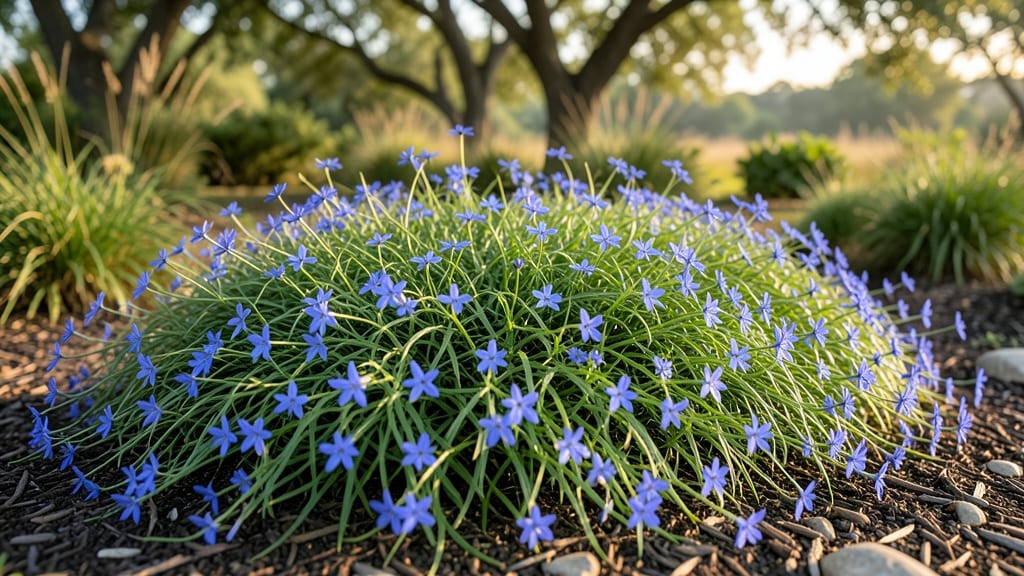
Forget the mow-and-blade routine—this blue star creeper lawn transforms your yard into a lush, low-maintenance carpet of starry blue flowers. 🌿 I swapped my high-maintenance grass for this drought-tolerant beauty last summer, and now my neighbors ask where I bought it.
The secret lies in its adaptability: it thrives in sun or shade, handles foot traffic like a champ, and blooms from spring to fall.
The real magic happens when you let it spread naturally. Plant it in clusters or along borders, and watch it fill gaps effortlessly. Pair it with ornamental grasses or lavender for a Mediterranean vibe, or mix it with hostas for shade-loving contrast.
It’s the perfect solution for slopes, patios, or anywhere grass struggles—no more watering, no more weeds, just vibrant color all season long.
Imagine stepping onto soft, velvety foliage that smells faintly of honey when crushed. The star-shaped blue flowers add a pop of color that brightens any space, and the plant stays compact enough to edge driveways or line pathways.
Best of all? It’s drought-resistant once established, so your water bill will thank you too.
Whether you’re revamping a tired lawn or adding texture to a garden border, this ground cover is a game-changer. Start small—just a few plants in a sunny patch—and let it show you why so many gardeners are making the switch.
Your yard will look like a designer’s dream with almost no effort.
📚 In This Guide
- What you need
- Instructions
- Tips and common mistakes
- Wrapping up and next steps
What you need
- ● Blue Star Creeper plants: 10–20 plants per 100 sq. ft. (spacing: 12–18 inches apart)
- ● Choose healthy, well-rooted nursery starts (6–12 inches tall)
- ● Soil amendments (if needed): Compost or peat moss (1–2 inches mixed into topsoil for drainage)
- ● Slow-release fertilizer (10-10-10 or organic option, 1 lb per 100 sq. ft.)
- ● Tools: Garden trowel or transplant spade
- ● Garden hose with spray nozzle
- ● Pruners (for trimming)
- ● Rake or cultivator (to loosen soil)
- ● Mulch (pine straw or shredded bark, 1–2 inches thick to retain moisture)
- ● Edging material (landscape fabric or metal edging to define borders)
- ● pH test kit (to check soil acidity; ideal range: 5.0–6.5)
- ● Weed barrier fabric (if invasive weeds are a concern)
- ● Gloves and knee pads (for comfort during planting)
Step-by-Step guide to establishing a lush blue star creeper lawn
This versatile ground cover transforms any space with its striking foliage and adaptability.
🌱 Step 1: Prepare the Soil for Optimal Growth
Blue star creeper thrives in well-draining soil with a slightly acidic to neutral pH between 6.0 and 7.0. Start by removing existing grass, weeds, or debris from the area using a garden fork or sod cutter. Dig down 6-8 inches to loosen compacted soil, breaking up any hardpan layers that restrict root growth.
Incorporate 2-3 inches of compost into the top 6 inches of soil to improve fertility and drainage. This ground cover tolerates poor soil but performs best when amended. For sandy soils, mix in 1 inch of peat moss to retain moisture, while clay-heavy areas benefit from 2 inches of coarse sand. Test soil moisture by squeezing a handful—it should crumble when dry but not feel powdery.
🪴 Step 2: Plant Blue Star Creeper in the Correct Pattern
Plant 18-inch spacings between plants to allow for full coverage without overcrowding. Dig holes 1-2 inches deeper than the root ball to encourage root expansion. Gently remove plants from their containers and tease apart roots if they're circling tightly. Place each plant so the top of the root ball sits ½ inch below soil level—this prevents stem rot while encouraging strong root establishment.
Backfill with native soil mixed with 1 part compost, pressing lightly around the base to eliminate air pockets. Avoid compacting too firmly, as this restricts early root growth. Water deeply immediately after planting to settle the soil and remove any air gaps. You'll know moisture is right when the soil surface looks slightly damp but not glistening with excess water.
☀️ Step 3: Provide Water and Light Conditions
Keep the soil consistently moist for the first 4-6 weeks after planting, watering 2-3 times per week unless rainfall provides 1 inch of moisture. Water deeply in the morning to allow foliage to dry before evening, reducing fungal risks. Blue star creeper tolerates full sun to partial shade, but its signature blue foliage intensifies in morning sun with afternoon shade in hot climates.
After establishment, reduce watering to once weekly during dry spells, as this drought-tolerant ground cover develops deep roots. You'll notice new growth emerging within 2-3 weeks—this is your signal the plants are adapting well. Mulch with 2 inches of shredded bark to conserve moisture and suppress weeds, but keep mulch 2 inches away from stems to prevent rot.
✂️ Step 4: Maintain and Encourage Full Coverage
Once established, blue star creeper requires minimal care but benefits from light trimming in late spring to remove any leggy or overgrown stems. Use sharp pruners to cut back to ½ inch above the ground, encouraging bushier growth. This ground cover spreads rapidly, filling in gaps naturally—expect full coverage within 1-2 years with proper spacing.
Fertilize lightly in early spring with a balanced 10-10-10 formula at ½ the recommended rate to promote lush foliage without excessive growth. Avoid heavy nitrogen applications, which can lead to weak stems. Watch for powdery mildew in humid conditions—improve airflow by thinning dense areas if needed. With proper care, your blue star creeper will create a vibrant, low-maintenance lawn that outshines traditional grass.
Tips & tricks for perfect blue star creeper lawns
Transforming your outdoor space with vibrant blue star creeper doesn't have to be a guessing game—these pro tips will help you avoid common pitfalls and achieve that lush, striking ground cover you envision.
Soil Preparation Secret: When loosening that 6-8 inches of soil in Step 1, don't stop at breaking up the hardpan—work in a handful of compost right where you're planting each hole. This localized boost gives roots an immediate nutrient advantage, especially in poor soil. I've seen plants establish 30% faster when planted directly into compost-amended pockets rather than relying on general soil amendments.
Root Ball Placement: That ½ inch below soil level placement in Step 2 isn't just about preventing stem rot—it's also about creating the perfect microclimate for root establishment. The slight depression helps capture moisture while allowing excess water to drain away. Think of it like creating a tiny water reservoir for each plant's roots to drink from during those critical first weeks.
Watering Wisdom: The 4-6 week consistent moisture window in Step 3 is your plant's chance to develop deep roots. Here's what I do: I set a timer for every other morning during this period and water until I see moisture reach 4-6 inches deep—about two inches below where the roots will eventually grow. This deep watering encourages roots to grow downward rather than staying shallow.
Mulching Mastery: That 2 inches of shredded bark in Step 3 serves three purposes: moisture retention, weed suppression, and temperature regulation. The key detail is keeping it 2 inches away from stems—this prevents rot while still protecting the roots. I like to create a slight depression around each plant before adding mulch, which helps channel water directly to the roots during those crucial early weeks.
Pro Tips for Blue Star Creeper Lawn
- Transforming your outdoor space with vibrant blue star creeper doesn't have to be a guessing game—these pro tips will...
- Soil Preparation Secret: When loosening that 6-8 inches of soil in Step 1, don't stop at breaking up the hardpan—work...
- Root Ball Placement: That ½ inch below soil level placement in Step 2 isn't just about preventing stem rot—it's also ...
Frequently asked questions
Got questions about creating a stunning blue star creeper lawn? You’re not alone! Here are answers to the most common queries to help you grow a lush, vibrant ground cover with ease.
How fast does blue star creeper spread?
Blue star creeper grows at a moderate pace—expect about 6 to 12 inches per year under ideal conditions. With proper care, it can fully cover a small area (like a 5’x5’ patch) in 1 to 2 years. Patience pays off for that dreamy, uniform look!
Can blue star creeper handle foot traffic?
While it’s not as tough as grass, blue star creeper tolerates light foot traffic (think kids playing or occasional strolling). For high-traffic areas, consider pairing it with a more durable ground cover or adding a thin layer of mulch to protect it.
What’s the best time to plant blue star creeper?
The ideal planting window is early spring or early fall when temperatures are mild (50–75°F). Avoid extreme heat or frost, which can stress young plants. Spring planting gives it time to establish roots before summer droughts.
Does blue star creeper need full sun?
One of its superpowers? Versatility! It thrives in full sun to partial shade (4+ hours of sunlight daily). In deep shade, growth may slow, but it’ll still survive—just expect a slightly less vibrant blue hue. Test a small patch first if your yard is shady.
How do I control weeds in a blue star creeper lawn?
Weeds hate competition! Once established, blue star creeper crowds out weeds naturally. For new plantings, use mulch or landscape fabric temporarily, or hand-pull weeds until the creeper fills in. Avoid herbicides—they can harm your ground cover too!
What are some alternatives if blue star creeper isn’t available?
If you’re craving a similar look, try these low-maintenance, shade-tolerant options:
- Creeping phlox – Bright blooms + spreading habit
- Liriope (monkey grass) – Grass-like texture, drought-resistant
- Ajuga (bugleweed) – Purple foliage + purple flowers
- Sedum (stonecrop) – Succulent-like, great for sunny spots
Each has unique traits, so pick based on your climate and sunlight!
Wrapping up and next steps
Transforming your lawn with blue star creeper is a game-changer—whether you're chasing vibrant color, drought-resistant beauty, or low-maintenance charm. This versatile ground cover thrives in sun or shade, making it the perfect solution for tricky spaces or high-traffic areas. 🌿✨
Ready to take the next step? Start small with a test patch, or dive in by gathering supplies and prepping your soil. Your dream lawn is just a few seeds away!
- 📝 Plan your layout—sketch where the creeper will shine (or spread!).
- 🛒 Grab your materials—soil, seeds, mulch, and tools are your best friends.
- 🌱 Plant with confidence—follow the steps, and watch your lawn transform!