
Lawn
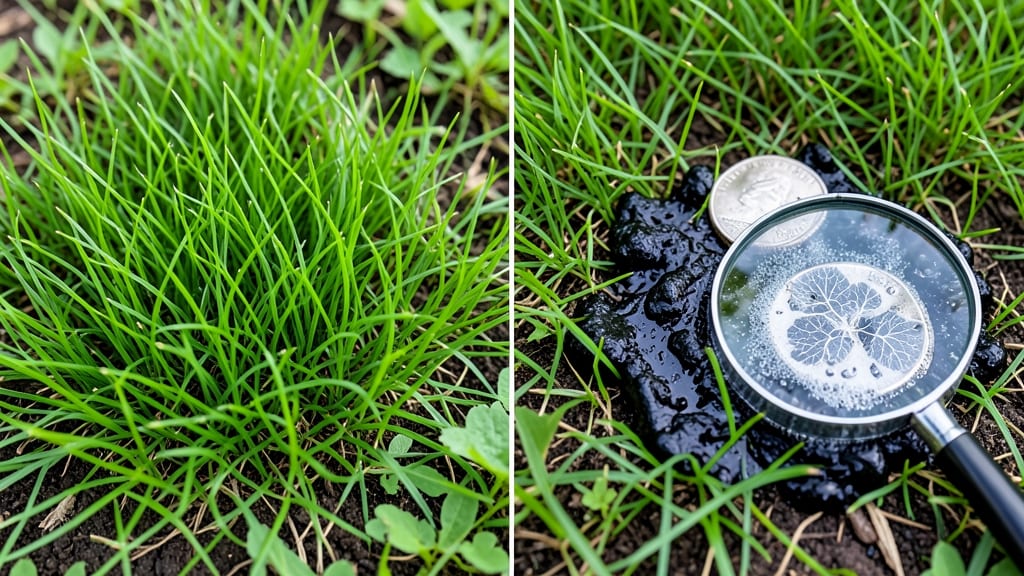
Black slime mold in your lawn isn’t a death sentence—it’s nature’s temporary party that fades with a little patience. 🌱 I’ve wrestled with this slimy black mess more times than I’d like to admit, but I’ve learned the simple tricks to revive your grass without harming it.
This weird, jelly-like fungus thrives in damp, shaded spots after heavy dew or rain. It doesn’t eat grass—it just smothers it temporarily—so no harsh chemicals are needed. The key is understanding when it’s just a cosmetic issue and when it signals deeper lawn problems.
By the end of this, you’ll know exactly how to scrub it away (without scrubbing your grass roots), adjust your watering schedule, and keep your lawn lush and mold-free. No more staring at black puddles wondering if your grass is doomed.
Here’s the best part: once you’ve tackled it once, you’ll spot the warning signs early and prevent it from staging another takeover. Let’s get your lawn back to green.
Root Causes Of Dark Lawn Fungus
Black slime mold isn’t just an unsightly nuisance—it thrives when specific conditions align, turning your lawn into a temporary (but dramatic) black-and-green masterpiece. Understanding why it appears helps you prevent it before it strikes. Here’s a breakdown of the key triggers:
Black slime mold (Didymium iridis) is a water-loving fungus, and it needs plenty of it to spread. Here’s how moisture sets the stage:
- Overnight dew or rain: When grass stays damp for 12+ hours (especially in cool, shady areas), the mold’s spores germinate. Think of it like a sponge—your lawn soaks up water, creating the perfect breeding ground. 💦
- Poor drainage: Low spots, compacted soil, or clay-heavy lawns trap water, turning patches into fungal hotspots. Even a thin layer of standing water (like after heavy rain) can trigger outbreaks.
- High humidity: In humid climates (or during summer mornings), the air itself can condense on grass blades, mimicking a dew-covered greenhouse for the mold.
Actionable fix: Improve drainage with sand top-dressing or aeration, and mow before evening to reduce overnight moisture buildup.
Black slime mold feeds on decaying plant matter, and your lawn is basically an all-you-can-eat buffet if you ignore these culprits:
- Thatch layers: A thatch layer thicker than ½ inch blocks water and air from the soil, creating a stagnant, mold-friendly zone. The mold latches onto dead grass, leaves, and roots trapped here. 🌱
- Leaf litter or mulch: Piles of fallen leaves, grass clippings, or wood chips near the lawn act as nutrient-rich fuel for the fungus. Even a thin layer of mulch can be enough.
- Decaying roots: Stressed or dying grass roots (from drought, pests, or disease) release sugars that attract mold spores like a dinner bell.
Actionable fix: Rake up debris regularly, dethatch in spring/fall, and avoid over-fertilizing—less food = fewer fungal parties.
Sunlight is black slime mold’s natural enemy, and it exploits shady lawns like a vampire avoids daylight. Here’s why:
- Low UV exposure: Direct sunlight dries out spores and grass, making it harder for mold to colonize. Shady areas stay cooler and wetter longer—ideal for fungal growth. 🌑
- Thick turf density: A lawn with compacted, closely mowed grass (like Bermuda or St. Augustine) traps moisture and blocks airflow, creating a fungus-friendly microclimate.
- Slow-drying grass: Shady patches dry 30–50% slower than sunny ones, extending the mold’s growth window.
Actionable fix: Thin out dense grass with proper mowing height (never below ⅓ of the blade length) and consider shade-tolerant grasses like fine fescue.
Black slime mold is a cool-weather opportunist, but it’s not picky—it just needs the right timing:
- Spring & fall outbreaks: Temperatures between 50–70°F (10–21°C) with high humidity are peak mold season. Warmer days + cool nights create the perfect "Goldilocks zone".
- Winter thaw: When snow melts and refreezes, it creates ice-like moisture traps on grass, mimicking a fungal spa.
- Sudden rain after drought: Dry grass absorbs water like a sponge, then releases it slowly, keeping the lawn damp for days—a mold’s dream.
Actionable fix: Monitor weather forecasts and water lawns in the morning to allow drying before evening. Avoid late-season fertilizing, which can delay hardening before winter.
Key takeaway: Black slime mold doesn’t kill grass—it’s just crashing the party when your lawn’s conditions are too perfect. Disrupt the moisture, food, and shade combo, and you’ll send it packing faster than a soggy guest at a BBQ. 🚫🍔
How to Fix Black Slime on Grass
If you’ve spotted that unappealing black slime creeping across your lawn, don’t panic—it’s usually harmless, but you’ll still want to get rid of it fast. The good news? Most solutions are natural, easy, and won’t harm your grass when done right.
Below, we’ll break down the best fixes based on the cause of your slime mold outbreak, plus prevention tips to keep it from coming back.
Before treating, confirm what’s behind the slime:
- High humidity + shade (common in damp mornings or rainy seasons)
- Thick thatch layer (organic debris trapping moisture)
- Overwatering or poor drainage (waterlogged grass encourages growth)
- Lack of airflow (dense grass or tight mulch beds)
Pro Tip: 💡 If the slime disappears in sunlight or after a dry spell, it’s likely just black slime mold—not a fungus or disease.
Black slime mold isn’t harmful to grass, but you’ll want to clean it up to prevent unsightly patches.
👨🍳 Method 1: Rake It Away (Best for Small Areas)
- Wait for dry weather—slime is easier to remove when the lawn isn’t damp.
- Use a stiff rake or leaf blower to gently scrape the black film off the grass blades.
- Collect debris in a bag or pile it away from the lawn (composting is fine, but avoid spreading it back).
✨ Quick Fix: If raking feels tedious, a shop vacuum with a hose attachment works great for larger areas.
🥘 Method 2: Pressure Wash (For Stubborn Patches)
- Set your pressure washer to a low setting (medium pressure can damage grass).
- Hold the nozzle 12–18 inches away and spray in short bursts to lift the slime.
- Avoid soaking the lawn—just enough to dislodge the mold.
🌡️ Warning: Never use a pressure washer on very young or weak grass—stick to raking instead.
Slime mold thrives when conditions are just right—so adjust your lawn care to make it less inviting.
🌱 Improve Airflow & Reduce Thatch
- Aerate your lawn (rent a core aerator or use a manual spike aerator).
- Dethatch if the layer is over ½ inch thick (use a dethatching rake in spring/fall).
- Mow higher (3–4 inches) to encourage deeper roots and better airflow.
⏰ Adjust Watering Habits
- Water deeply but less often (early morning is best).
- Avoid overhead sprinklers that keep leaves wet for long periods.
- Check drainage—if water pools after rain, consider sanding or topdressing with compost to improve soil.
☀️ Encourage Sunlight & Reduce Shade
- Trim overhanging branches or thin out dense shrubs.
- Reseed bare spots with shade-tolerant grass varieties if needed.
Once you’ve banished the slime, stop it from returning with these habits:
✅ Mow regularly (never cut more than ⅓ of the blade at once). ✅ Leave grass clippings (they decompose and return nutrients). ✅ Avoid heavy foot traffic in damp areas. ✅ Test your soil—poor nutrition weakens grass, making it more prone to mold. ✅ Use a fungicide only if needed (natural options like neem oil spray can help in severe cases, but slime mold rarely requires chemicals).
Final Thought: Black slime mold is a cosmetic nuisance, not a lawn killer—so don’t stress! With the right care, your grass will bounce back healthier and slime-free in no time. 🌿✨
Frequently asked questions
Is black slime mold harmful to my grass?
No, black slime mold is completely harmless to grass! It doesn't damage roots or kill grass blades—it just smothers them temporarily by forming a dark, jelly-like layer. The good news is that once conditions dry out or sunlight returns, it disappears just as quickly as it appeared.
Why does black slime mold keep coming back every spring?
This fungus thrives in the same conditions year after year: cool, damp mornings with shady areas and thick thatch layers. If your lawn has poor drainage or stays wet for 12+ hours after rain, it creates the perfect breeding ground. Focus on improving airflow and adjusting watering times to break the cycle.
Can I use vinegar or bleach to remove black slime mold?
While vinegar (1:1 water ratio) can help disinfect, it's not the best solution—it may harm beneficial soil microbes and leave residue. For bleach: Never use chlorine bleach on lawns (it burns grass). Oxygen bleach (sodium percarbonate) is safer but still unnecessary for this harmless mold. Stick to raking or pressure washing instead.
Will my dog get sick from walking on black slime mold?
No need to worry! Black slime mold is non-toxic and won't harm pets. While it looks unappetizing, it's completely safe for dogs to walk on. Just wipe their paws afterward if they're particularly curious about the slimy texture. The mold disappears quickly with sunlight, so no long-term concerns.
How can I tell if my lawn has black slime mold vs. something more serious?
Black slime mold has distinct characteristics: smooth, shiny black patches that feel slimy when wet and disappear within 24 hours of drying. If you see yellowing grass, white fungal threads, or powdery coatings, those could indicate more serious issues like dollar spot or rust fungus—contact a lawn care professional in those cases.