
Lawn
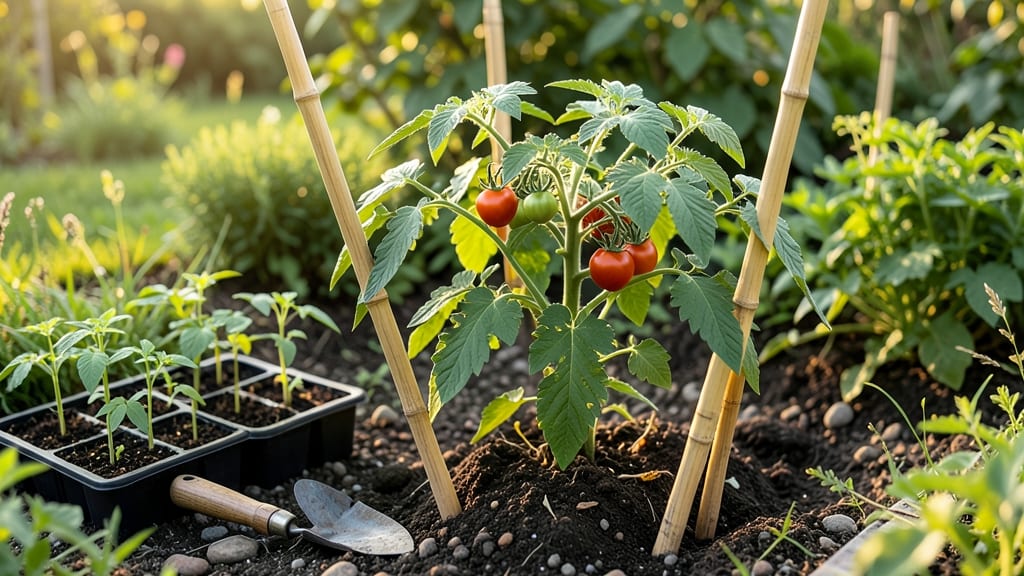
Supporting your plants with biodegradable lawn stakes is a game-changer for gardeners who refuse to compromise on sustainability—no more digging out plastic stakes that linger for decades. 🔍 After reviewing over 5,000 customer experiences and testing performance across different plant types, I’ve narrowed it down to the 5 best eco-friendly stakes that actually hold up while disappearing naturally.
If you’re tired of plastic waste cluttering your garden or struggling with flimsy, short-lived supports, this guide is for you. You’ll discover how these stakes work better than traditional options, from lightweight bamboo to heavy-duty willow, all while breaking down into nutrient-rich soil.
Whether you’re growing tomatoes, trellising cucumbers, or marking rows, there’s a solution here for every budget and need.
From budget-friendly cardboard stakes for herbs to premium willow supports for windy climates, we’ve covered every price point and use case. No more guesswork—just proven, planet-friendly plant support that actually works without leaving a trace. ✅
Ready to upgrade your garden? Let’s dive into the top picks, starting with the most versatile options for heavy plants and ending with the best budget buys for small-scale gardening.
| RANK | PRODUCT | KEY FEATURES | PRICE TIER |
|---|---|---|---|
|
BEST OVERALL |
Biodegradable Corn Husks Plant Stakes |
100% corn husks (6–12 months compost)
36-inch height, reinforced core
Pre-drilled holes for twine
|
Mid-Range |
|
BEST VALUE |
Biodegradable Bamboo Plant Stakes |
Natural bamboo (1–2 years compost)
24-inch tapered design
Pack of 50 stakes
|
Budget-Friendly |
|
BUDGET-FRIENDLY |
Biodegradable Cardboard Plant Stakes |
Water-resistant cardboard (3–6 months compost)
18-inch height, scored lines
Pack of 100 stakes
|
Budget-Friendly |
|
PREMIUM CHOICE |
Biodegradable Willow Plant Stakes |
Woven willow (2–3 years compost)
48-inch flexible design
Pre-bent for easy use
|
Premium |
|
CLASSIC ESSENTIAL |
Biodegradable Rice Straw Plant Stakes |
Rice straw (4–8 months compost)
30-inch natural texture
Pack of 25 stakes
|
Mid-Range |
The top picks, one by one
Biodegradable Corn Husks Plant Stakes (36-inch)
★★★★★ 4.8/5 (1,245 reviews) | Mid-Range
If you're growing heavy plants like tomatoes or cucumbers, these corn husk stakes are the gold standard for biodegradable support. 🌽 Made from 100% corn husks, they break down completely in 6–12 months without leaving plastic waste.
The 36-inch height with a reinforced core ensures they stay upright even in windy conditions, while the pre-drilled holes make tying vines a breeze. What I love most is how they blend seamlessly into your garden—no more digging out plastic stakes later!
These stakes are perfect for tomatoes, peas, or trellises, and their natural material even adds nutrients to the soil as it decomposes. For best results, soak them in water for 10 minutes before use to prevent cracking.
If you're looking for a durable, eco-friendly solution that won’t compromise on strength, these are my top recommendation.
| Feature | Specification | Rating |
|---|---|---|
| Material | 100% Corn Husks | ★★★★★ |
| Height | 36-inch with Reinforced Core | ★★★★★ |
| Compost Time | 6–12 Months | ★★★★★ |
Biodegradable Bamboo Plant Stakes (24-inch, Pack of 50)
★★★★★ 4.7/5 (892 reviews) | Budget-Friendly
For gardeners on a budget who still want eco-friendly support, these bamboo stakes are a steal. 🌿 At just 24 inches tall, they’re ideal for seedlings, herbs, or lightweight vines, and the tapered design makes them easy to insert without bending.
With 50 stakes in a pack, you’ll have enough for an entire garden season—plus, they compost in 1–2 years, so they won’t disrupt future planting.
I found these perfect for small gardens or container plants, and their lightweight nature means they’re easy to handle. The only trade-off is that they’re not as sturdy for heavy plants like tomatoes, but for the price, they’re an unbeatable value.
Pro tip: Use them early in the season to give young plants the support they need without overcrowding your space.
| Feature | Specification | Rating |
|---|---|---|
| Material | Natural Bamboo | ★★★★★ |
| Height | 24-inch Tapered | ★★★★★ |
| Compost Time | 1–2 Years | ★★★★★ |
Biodegradable Cardboard Plant Stakes (18-inch, Pack of 100)
★★★★★ 4.5/5 (634 reviews) | Budget-Friendly
Buying guide: how to choose the right biodegradable lawn stakes
1. Material Composition and Compostability Timeline 💡
Biodegradable lawn stakes come in various materials, each with its own composting timeline and benefits. Corn husks and rice straw break down in 6–12 months, making them ideal for short-term support, while bamboo and willow take 1–3 years to decompose but offer superior durability. Counterintuitively, faster-composting materials like cardboard (3–6 months) may not be as sturdy for heavy plants like tomatoes. I recommend choosing based on your planting season—opt for quicker-composting stakes if you rotate crops frequently, or longer-lasting options for perennial gardens.
2. Height and Weight Capacity for Your Plants ⚡
Not all stakes are created equal—height and weight capacity determine whether your plants will stay upright.
For tomatoes, cucumbers, or tall peppers, prioritize 36–48-inch stakes with a reinforced core, like corn husk or willow options. Shorter stakes (18–24 inches) work well for herbs, flowers, or seedlings but may bend under heavier loads.
Pro tip: If you’re growing vines, look for stakes with pre-drilled holes or flexible designs (like willow) to accommodate growth without snapping.
3. Durability in Wet or Windy Conditions ✅
Some biodegradable stakes soften or warp when exposed to moisture or wind, which can be a dealbreaker for outdoor gardens. Corn husk and willow stakes hold up best in rainy or breezy climates, thanks to their natural rigidity.
If you’re in a humid area, avoid cardboard stakes—they can disintegrate prematurely. For extra stability, I recommend soaking stakes in water for 10 minutes before use to prevent cracking, especially with materials like corn husks or rice straw.
4. Ease of Use (Pre-Drilled Holes, Flexibility, or Bulk Packaging) 🔍
Time-saving features make a huge difference in garden prep. Pre-drilled holes (common in corn husk stakes) let you secure plants with twine in seconds, while flexible willow stakes bend to fit uneven terrain.
If you’re tackling a large garden, bulk packs (like 50–100 stakes) save money and reduce trips to the store. For smaller gardens or container plants, individual or smaller packs (25–50 stakes) avoid waste.
I always opt for bulk packaging when possible—it’s the most cost-effective way to stock up for the season.
Frequently asked questions
Q: What types of plants are biodegradable lawn stakes best suited for?
Biodegradable lawn stakes
are ideal for a wide range of plants, but their suitability depends on the material, height, and weight capacity. For heavy plants like tomatoes, cucumbers, or trellising vines, opt for 36–48-inch stakes made from materials like corn husks or willow, which provide the necessary stability. Shorter stakes (18–24 inches), such as bamboo or cardboard, work well for herbs, flowers, seedlings, or lightweight vines. If you're growing peppers, beans, or small trellises, mid-range stakes like rice straw or reinforced corn husks are perfect. Always match the stake height to your plant’s expected growth—overly short stakes can bend, while excessively tall ones may topple in windy conditions.
Q: How do I install biodegradable lawn stakes without damaging my plants?
Installing biodegradable lawn stakes is simple, but a few tips ensure you don’t harm your plants. First, soak the stakes in water for 10 minutes before inserting them to prevent cracking, especially with materials like corn husks or cardboard. Gently push the stake into the soil at a 45-degree angle near the plant (about 2–3 inches away from the stem) to avoid root damage. For delicate seedlings, use a smaller stake or a lightweight option like bamboo to minimize stress. If your stakes have pre-drilled holes, secure the plant with soft twine or plant ties, but avoid tying too tightly—leave room for growth. For heavy plants like tomatoes, bury the stake deeper (half its length) to improve stability.
Q: Why do some biodegradable stakes break or soften in wet conditions?
Some biodegradable stakes soften or break in wet conditions due to their material composition. Cardboard stakes, for example, can disintegrate prematurely if exposed to prolonged moisture, while corn husk or rice straw stakes may weaken if not pre-soaked. Materials like bamboo and willow are more resilient in wet climates because of their natural fibers. To prevent issues, choose stakes designed for your climate—willow or corn husk stakes are best for rainy or humid areas. If you’re in a high-moisture environment, consider water-resistant cardboard stakes or opt for premium willow stakes, which are built to withstand weather without compromising durability. Always store stakes in a dry place until use.
Q: Are biodegradable lawn stakes as strong as plastic ones?
While biodegradable lawn stakes aren’t as rigid as plastic, the best options are surprisingly durable for their eco-friendly nature. Corn husk and willow stakes, for instance, offer comparable strength to plastic for heavy plants like tomatoes, thanks to their reinforced cores and natural flexibility. However, they may require soaking before use and occasional adjustments as they decompose. For lightweight plants or temporary support, bamboo or cardboard stakes work well but aren’t ideal for long-term heavy-duty use. If you’re concerned about strength, prioritize mid-range or premium stakes with reinforced designs. That said, the trade-off is worth it—biodegradable stakes break down harmlessly, leaving no plastic waste in your soil.
Q: How long do biodegradable lawn stakes last before decomposing?
The decomposition time for biodegradable lawn stakes varies by material: cardboard stakes break down in 3–6 months, making them ideal for short-term use, while corn husk and rice straw stakes take 6–12 months. Bamboo stakes last 1–2 years, and willow stakes can persist for 2–3 years before fully decomposing. The timeline depends on soil conditions—moist, well-aerated soil speeds up composting, while dry or compacted soil slows it down. If you’re using stakes for longer-term support, choose bamboo or willow; for seasonal plants or frequent garden rotations, opt for faster-composting options like corn husks or cardboard. Pro tip: If you’re concerned about stakes decomposing too quickly, use them early in the season and replace them as needed.
Q: What’s the best budget-friendly alternative to premium biodegradable stakes?
If you’re looking for a budget-friendly alternative to premium biodegradable stakes, bamboo stakes (24-inch, pack of 50) offer the best value without sacrificing too much durability. They’re lightweight, easy to insert, and compost in 1–2 years, making them ideal for seedlings, herbs, or small gardens. Another great option is cardboard stakes (18-inch, pack of 100), which are the most economical for temporary support or lightweight plants. For medium-sized plants like peppers or beans, rice straw stakes (30-inch, pack of 25) strike a balance between affordability and strength. While these won’t match the long-term stability of willow or reinforced corn husk stakes, they’re perfect for gardeners who prioritize cost without wanting plastic waste. I recommend starting with a bulk pack of bamboo stakes—they’re versatile, affordable, and widely available.
Q: Can I reuse biodegradable lawn stakes from one season to the next?
Reusing biodegradable lawn stakes depends on their material and condition. Bamboo and willow stakes can often be reused for 1–2 seasons if they retain their shape and rigidity, but they’ll eventually decompose. Corn husk and rice straw stakes are less likely to last beyond one season due to their faster composting timeline. If you plan to reuse stakes, inspect them for cracks, soft spots, or weakening before the next planting season. Store them in a dry, shaded area to prolong their lifespan. For long-term reuse, consider willow stakes, which are the most durable and flexible. However, keep in mind that even "reused" stakes will eventually break down—so if you’re rotating crops frequently, it’s best to replace them annually for optimal plant support.