
Lawn
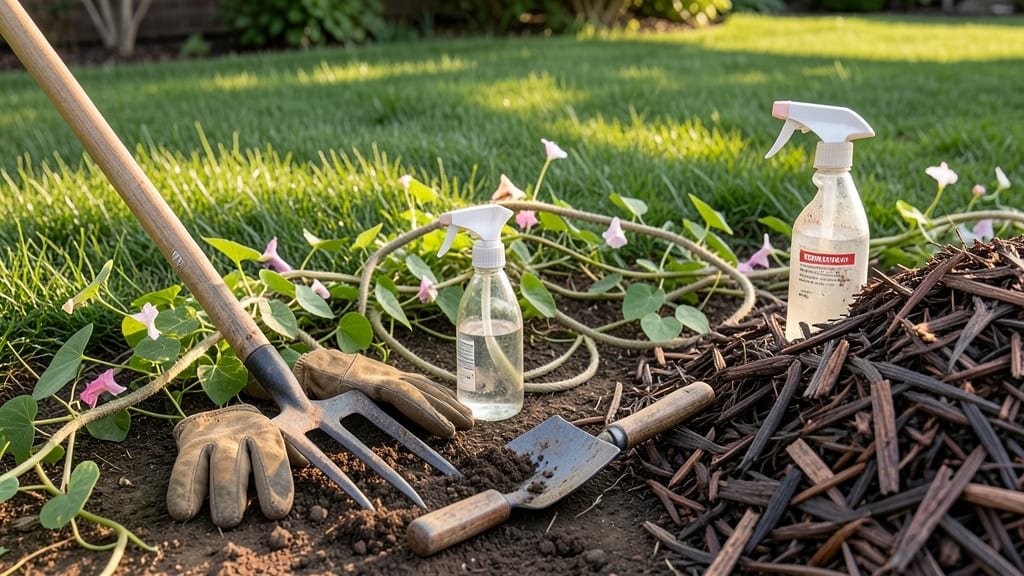
Bindweed in lawns is the ultimate sneaky invader—those white morning glory flowers hide a stubborn root system that can choke out your grass if you're not careful. 🌱 I’ve wrestled with it for years, and the key to beating it isn’t brute force but precision: knowing when to pull, how to sever those roots, and what to do about the regrowth that always seems to pop up.
This isn’t just about yanking weeds; it’s about starving out the problem for good.
The real battle happens underground, where bindweed’s roots can stretch 15+ feet deep and spread aggressively. Most people give up after one season because they don’t tackle the roots properly—or they keep missing the smaller shoots that resprout.
I’ll show you the three-step method that’s worked for me: pull at the right time, use the right tools, and smother what’s left to break the cycle. No harsh chemicals required, though I’ll cover those too if you’re dealing with a full-blown invasion.
By the end, your lawn won’t just look better—it’ll stay better. No more patchy spots where bindweed takes over, no more wasting time on regrowth. You’ll recognize the early signs, know the best tools to use, and have a long-term plan to keep your turf thick and competitive.
This is how you reclaim your lawn without giving up.
Whether you’re dealing with a few stubborn shoots or a lawn overrun by bindweed, the same principles apply. The difference is in the details—like pulling before the flowers set seed or using cardboard mulch to suffocate the roots.
Let’s get your lawn back to looking like it belongs to you, not the bindweed.
Root Causes Of Lawn Invaders
Bindweed—scientifically known as Convolvulus arvensis—isn’t just a pesky weed; it’s a perennial survivor with a root system that can stretch up to 15 feet deep and spread horizontally for 30 feet or more.
Understanding why it thrives in your lawn is the first step to eradicating it for good. Let’s break down the key factors that turn your green space into bindweed’s playground.
Bindweed’s most infamous trait is its deep, fibrous root system. Unlike annual weeds that die back in winter, bindweed’s roots survive harsh conditions, allowing it to regrow from even tiny fragments left in the soil. Here’s why this happens:
- Dormant buds: The roots contain thousands of dormant buds that can sprout into new plants if disturbed, even after years of dormancy.
- Rapid regrowth: If you pull bindweed and leave a root piece behind, it can send up new shoots within 2–4 weeks.
- Soil disturbance: Tilling, aerating, or even mowing can fragment roots, creating more opportunities for regrowth.
Pro Tip: 💡 Never till or compost bindweed-infested soil—this spreads the problem! Instead, smother it with thick mulch or solarize the area (cover with clear plastic for 4–6 weeks in hot weather).
Bindweed doesn’t just appear randomly—it targets lawns with specific conditions that give it the upper hand. Here’s what makes your lawn a bindweed magnet:
| Factor | Why It Helps Bindweed |
|---|---|
| 💧 Moisture | Bindweed thrives in well-watered, fertile soil. Overwatering or poor drainage creates the perfect environment for its roots to expand. |
| ☀️ Sunlight | It prefers full sun to partial shade but can still spread in shady areas if conditions are right. Lawns with thin grass give it easy access to sunlight. |
| 🌾 Competition | Weak or sparse grass lacks the density to outcompete bindweed. If your lawn is thin, bindweed fills the gaps like a vacuum. |
| 🔄 Soil pH & Nutrients | It tolerates a wide pH range (5.0–8.5) but grows faster in slightly acidic to neutral soil (6.0–7.0). Over-fertilizing with nitrogen can also encourage its spread. |
Actionable Fix: 🔥 Improve lawn health by mowing high (3–4 inches), aerating compacted soil, and watering deeply but infrequently to discourage bindweed growth.
Bindweed doesn’t just pop up on its own—it’s often unintentionally introduced by humans or spread by natural forces. Here’s how:
- 🛒 Contaminated soil or mulch: Purchasing topsoil, compost, or even potted plants from infested sources can introduce bindweed seeds or root fragments.
- 🚜 Equipment transfer: Mowers, shovels, and tillers can carry bindweed pieces to new areas, especially if they’ve been used in an infested lawn.
- 🐾 Wildlife & water: Birds, deer, and even flowing water can disperse seeds over long distances.
- 🏡 Construction & landscaping: Disturbing soil during digging, grading, or planting can wake up dormant bindweed roots.
Prevention Tip: ✨ Disinfect tools with a 10% bleach solution after use in infested areas. Avoid buying soil or plants from unknown sources if bindweed is a local problem.
Once you identify which of these factors are at play in your lawn, you can target the root of the problem—literally. The next step? Learning how to pull bindweed without regrowth.
Beat Back Bindweed for Good
Bindweed—also known as morning glory or devil’s gut—is a stubborn invader that can turn your pristine lawn into a tangled mess. But don’t let its persistence frustrate you! With the right approach, you can eliminate it permanently and keep your grass lush.
Below, we break down targeted solutions based on the root cause of your bindweed problem, from manual removal to chemical control, plus proven prevention tips to stop it from creeping back.
For small or isolated patches, physical removal is the most eco-friendly first step. However, bindweed’s deep roots and rapid regrowth make this a multi-step process. Follow these steps for the best results:
🍳 Step 1: Timing Is Everything
Pull bindweed when the soil is moist (after rain or watering)—this loosens the roots and makes them easier to extract. Early morning or late afternoon works best to avoid heat stress.
👨🍳 Step 2: Grab and Twist
Use a garden fork or weeding tool to dig deep (at least 6–12 inches) around the plant’s base. Grab the stem near the ground and twist sharply to break the root system. Do not leave any fragments—even a tiny piece can regrow!
🔪 Step 3: Dispose Properly
Never compost bindweed! Bag it immediately and throw it in the trash (or burn it if local laws allow). If you’re composting, pre-soak the bags in vinegar or herbicide for 48 hours first to kill any remaining roots.
⏰ Step 4: Repeat Weekly
Bindweed grows aggressively, so check your lawn every 5–7 days for new shoots. Consistency is key—missing even one sprout can lead to a full-blown comeback.
Pro Tip: 💡 Wear gloves! Bindweed sap can irritate skin, and its roots are slippery when wet.
For large infestations or stubborn bindweed, herbicides can be a game-changer. However, not all products work—you need systemic herbicides that target the roots. Here’s how to use them safely:
🔍 Choose the Right Herbicide
Look for glyphosate-based (like Roundup) or triclopyr (like Ortho Brush Killer) products labeled for perennial weeds. Avoid generic "weed killers"—they often fail on bindweed’s deep roots.
💦 Apply at the Right Time
Spray when bindweed is actively growing (spring or fall) and the leaves are fully unfurled. Avoid treating on windy days to prevent drift onto desired plants.
🛡️ Protect Your Lawn
If your grass is thin, spot-treat bindweed and re-seed bare patches afterward. For thick turf, use a sharpshooter (a tool with a straw applicator) to apply herbicide directly to the leaves without harming the grass.
Pro Tip: ✨ Combine methods! After herbicide treatment, follow up with manual removal to ensure no roots survive.
If you prefer chemical-free solutions, smothering or heat treatments can weaken bindweed over time:
📦 Cardboard or Mulch Smothering
Lay down thick cardboard or black plastic over the infested area for 4–6 weeks to block sunlight. Bindweed will die from lack of light. Once dead, remove all debris and reseed.
🔥 Solarization (For Extreme Cases)
In hot climates, use clear plastic sheeting to trap heat. Bury the edges and leave it for 6–8 weeks in peak summer. This method cooks the roots but requires patience.
Pro Tip: 🌡️ Check soil temp first! Solarization works best in areas where soil reaches 104°F+ (40°C+).
An ounce of prevention is worth a pound of cure! Once you’ve banished bindweed, keep it from returning with these strategies:
🌱 Maintain a Thick, Healthy Lawn
A dense turf leaves no room for bindweed to take hold. Mow high (3–4 inches), water deeply but infrequently, and fertilize properly to crowd out weeds.
🔍 Inspect & Act Fast
Check your lawn weekly for new bindweed shoots. Pull them immediately—the younger the plant, the easier it is to remove.
🚫 Avoid Over-Tilling
Tilling can spread bindweed roots deeper into the soil. If you must till, do it in the fall and cover the area with mulch afterward to prevent regrowth.
🌿 Natural Barriers
Plant deep-rooted ground covers like clover or creeping thyme along garden edges to compete with bindweed and block its spread.
Pro Tip: 🎯 Test your soil! Bindweed thrives in poor soil. A simple soil test can reveal nutrient deficiencies to fix.
Bindweed may be tough, but with persistence and the right tactics, you can reclaim your lawn. Start with manual removal for small patches, escalate to herbicides for larger areas, and prevent regrowth with smart lawn care. Before you know it, your turf will be spotless—and bindweed-free!
Frequently asked questions about bindweed in lawns
Why does bindweed keep coming back even after I pull it?
Bindweed’s roots contain thousands of dormant buds that can sprout from even tiny fragments left in the soil. When you pull it, you must remove the entire root system (dig at least 6–12 inches deep) and dispose of it properly—never compost it! Even a 1-inch root piece can regrow into a new plant within 2–4 weeks. Check your lawn weekly for new shoots!
What’s the best time of year to tackle bindweed?
Focus on removal in early spring or fall when bindweed is actively growing but before it sets seed. In summer, pull it after rain when the soil is moist (roots are easier to extract). Avoid treating in winter—dormant roots won’t respond to herbicides, and manual removal is harder in frozen ground. Spring is ideal for combining pulling with pre-emergent herbicides.
Can I use vinegar to kill bindweed?
Vinegar (20–30% acetic acid) can kill bindweed leaves, but it won’t reach the deep roots. For best results, spray vinegar directly on the foliage on a sunny day (it works as a desiccant), then follow up with manual removal of the weakened roots. Repeat weekly until the plant dies. Test a small area first—vinegar can damage nearby plants!
How do I know if my lawn has bindweed roots spreading underground?
Look for white, fibrous roots when you dig near bindweed plants—they can stretch 15+ feet deep and 30+ feet wide. If you see new shoots popping up in a straight line or cluster, that’s a sign of connected roots. Use a garden fork to probe the soil around suspicious areas—if you hit resistance, you’ve likely found the root network. Mark these spots for targeted treatment!
Will mowing help control bindweed?
Mowing alone won’t eliminate bindweed, but keeping your lawn at 3–4 inches tall helps crowd out new shoots by blocking sunlight. Mow high and frequently to weaken bindweed before it flowers (which spreads seeds). For best results, combine mowing with weekly inspections and pull any new growth immediately. Avoid bagging clippings—this can spread seeds!