
Lawn
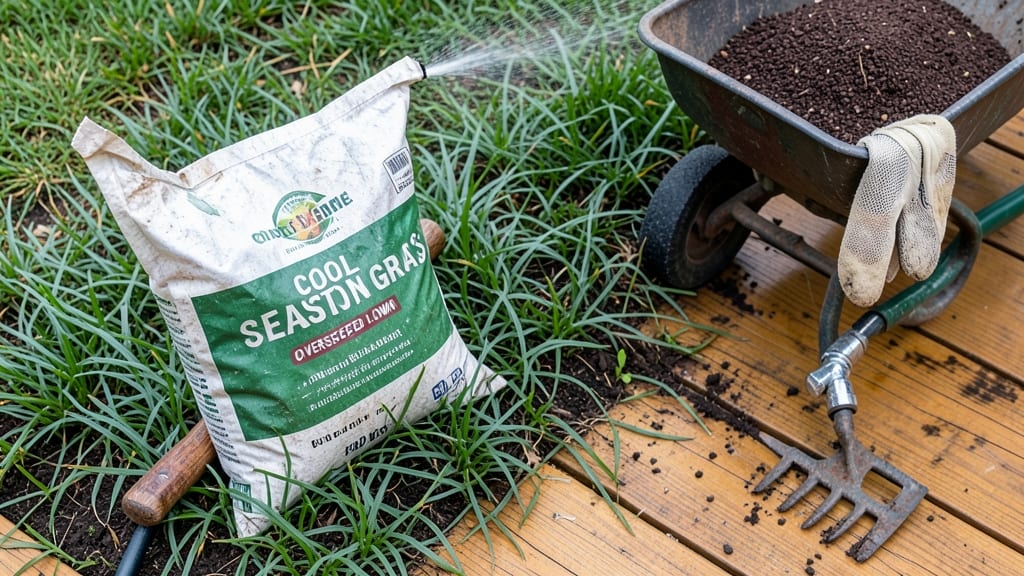
To fertilize an overseeded lawn, wait 4-6 weeks after seeding when soil temperatures stay above 55°F (13°C) and new grass reaches 2-3 inches tall. Start with a low-nitrogen fertilizer (10-20-10) to protect tender sprouts, then transition to a balanced formula. Never fertilize during extreme heat or drought, as this stresses young plants.
Timing matters because young grass roots are fragile during the first few weeks after overseeding. 🌱 When soil temperatures dip below 55°F (13°C), nutrient uptake slows dramatically, making fertilization ineffective. I've seen many gardeners rush this step and end up with patchy growth or even seedling burn.
The key is patience—waiting ensures the grass has established enough root structure to handle the nutrients. For cool-season grasses like fescue or ryegrass, this window typically opens in late spring or early fall, while warm-season overseeding (like Bermuda grass) needs to wait until soil warms to 65°F (18°C) or higher.
Once you've confirmed the right conditions, choose your fertilizer carefully. A 10-20-10 ratio provides phosphorus for root development while keeping nitrogen low enough to prevent leaf burn. After the first application, you can switch to a 24-0-6 or similar balanced formula to support ongoing growth.
Remember to water thoroughly before and after applying fertilizer to help nutrients penetrate the soil.
💡 In This Article
- Soil Temperature and Grass Type Guidelines for Fertilizing Overseeded Lawns
- Step-by-Step Fertilizer Application Timeline for Overseeded Lawns
Soil temperature and grass type guidelines for fertilizing overseeded lawns
Soil temperature acts as the primary regulator for when your overseeded lawn can absorb fertilizer effectively. Cool-season grasses like Kentucky bluegrass and tall fescue need soil temperatures consistently above 55°F (13°C) before fertilizing—this threshold triggers root growth and nutrient uptake. 🌱 The reason?
Below this temperature, microbial activity in the soil slows down by up to 70%, reducing the breakdown of organic matter and nutrient availability. Warm-season grasses like Bermuda or Zoysia, when overseeded in cooler months, require even warmer soils (65°F/18°C) to avoid stress.
Grass growth stages also dictate timing. When seedlings reach 2-3 inches tall, their root systems typically extend 2-3 inches deep, creating the capacity to handle fertilizer. At this stage, roots have developed enough lateral spread to access nutrients without burning.
For example, fine fescue varieties establish faster than Kentucky bluegrass due to their denser tillering habit, which means they can handle starter fertilizer sooner. The key is observing the grass's growth rate—if it's growing ½ inch per week, it's ready for fertilization.
Seasonal timing varies dramatically by region. In northern climates, fall overseeding (August-September) aligns perfectly with cooling soil temperatures that naturally drop into the 55-65°F (13-18°C) range. Southern climates can overseed in late winter when daytime highs reach 65°F (18°C) but nights stay cool.
I've noticed that overseeding in spring often fails in warm climates because soil warms too quickly, causing seedlings to dry out before establishing roots. Always check soil temps with a soil thermometer at 4-inch depth—this is where most grass roots will be.
Different grass species have unique nutrient needs at this stage. Ryegrass, often used as a winter overseeding cover, thrives with 15-20% nitrogen in starter fertilizer, while fescue benefits more from phosphorus (20-30%) to strengthen roots.
The 10-20-10 ratio works universally because it provides balanced support without overwhelming young plants. What most people don't realize is that potassium (the last number) actually helps seedlings resist disease during this critical establishment period.
Environmental factors create additional variables. Heavy rainfall after seeding can wash away nutrients, while dry conditions cause fertilizer salts to concentrate near the surface, burning tender roots. I recommend testing soil pH before fertilizing—ideal levels are 6.0-7.0 for most grasses.
If your soil is acidic (pH 5.5 or lower), apply lime first to prevent nutrient lockout. The texture of your soil matters too: Sandy soils need more frequent, lighter applications, while clay soils can handle heavier doses less often due to slower nutrient release.
Here's what happens when you fertilize too early: The high salt content in fertilizer draws moisture from seedlings through a process called osmotic stress, causing them to wilt even if soil appears moist.
I've seen entire overseeding projects fail because gardeners applied fertilizer when soil temps were below 50°F (10°C). The solution? Wait until you can see white roots when you gently pull up a seedling—this confirms the root system is established enough to handle nutrients.