
Lawn
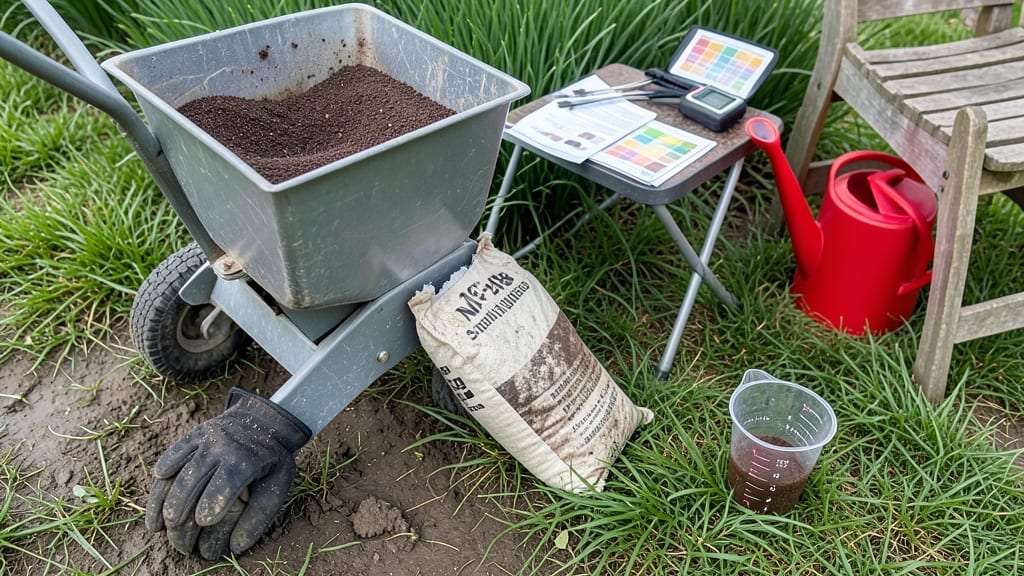
You fertilize your lawn in early spring and again in late fall to give it the best possible start and finish to the growing season — and skipping these two key times can leave your grass looking thin and weak.
Struggling to keep your lawn lush and green year-round? Timing your lawn fertilization correctly is the secret weapon most homeowners overlook—and it could mean the difference between patchy grass and a vibrant, envy-inducing yard.
Most lawns need two fertilizations per year: one in early spring to kickstart growth after winter dormancy, and another in fall to strengthen roots before cold weather sets in. But the exact timing depends on your grass type and climate zone.
Below, I’ll break down the best seasonal schedule for your region, how to adjust for cool-season vs. warm-season grasses, and what to watch for if you fertilize at the wrong time.
Best seasonal fertilizer schedule for lawn growth by climate zone
Timing your lawn fertilization isn't just about throwing down fertilizer randomly—it's a science tied to your USDA hardiness zone and grass type. In cool-season zones (3-7), you'll want to fertilize in early spring and fall to match your grass's natural growth cycles.
Meanwhile, warm-season zones (8-11) focus on late spring through summer for peak results.
Most homeowners make the mistake of fertilizing at the wrong time, often in summer heat or winter dormancy, which can burn roots or waste nutrients. The key is aligning fertilization with your grass's active growth periods—when it's already pushing new shoots or recovering from stress.
For example, March-May is prime for cool-season grasses, while June-August works best for warm-season varieties.
Here's a quick breakdown of the four critical fertilization windows and how they vary by zone. Use this as your seasonal roadmap to avoid over- or under-feeding:
The early spring feed (March-April for zones 3-7) is your lawn's wake-up call after winter dormancy. This is when cool-season grasses like Kentucky bluegrass and fescue surge with new growth. Use a high-nitrogen fertilizer (30-0-4) to fuel this green-up phase, but avoid fertilizing if frost is still a risk.
In summer (June-July for cool zones), shift to a lighter feed to prevent heat stress. Warm-season zones (8-11) should fertilize June through August to support Bermuda or Zoysia as they recover from winter.
Pro tip: Water deeply 24 hours before and after applying summer fertilizer to protect roots from burn damage.
Fall fertilization (September-October for cool zones) is your secret weapon for next year's lawn. This root-strengthening phase helps grass store nutrients for winter survival and an earlier spring green-up. In warm zones, fertilize by late August to give grass time to harden off before frost.
Winter is always a no-fertilizer zone—your grass is dormant and can't use nutrients. Applying fertilizer in freezing temps can burn roots or leach into groundwater. Instead, focus on light aeration or overseeding in late winter to prep for spring.
For organic fertilizer lovers, apply compost or manure tea in early spring and fall instead of synthetic blends. Organic options release nutrients slowly, matching your grass's natural growth cycles. Just remember: Organic = longer prep time, so start 4-6 weeks before your target fertilization window.
Always test your soil first—a simple pH test (5.0-7.0 ideal) can tell you if you need to adjust lime or sulfur before fertilizing. Overlooking pH means your fertilizer won't work efficiently, wasting money and effort.
Watch for yellow patches or slow growth after fertilizing—these are red flags. If they appear, skip the next feed and focus on watering and mowing at 3-4 inches to reduce stress. A healthy lawn doesn't need constant feeding—just timely, targeted nutrition.
Signs your lawn needs fertilizer (and when to skip it)
A patchy lawn with yellowing grass is often the first sign your lawn craves nutrients—but it’s not always the case. Before reaching for fertilizer, rule out drought stress, disease, or poor soil drainage, which mimic nutrient deficiencies.
I’ve seen homeowners over-fertilize thinking their lawn needed help, only to burn the grass further. Let’s break down the real clues and when to pause.
Start by examining your lawn’s color and texture. Healthy grass has a deep green hue and feels springy underfoot. If you notice thin spots or pale patches, these could signal nitrogen deficiency—but check for fungal spots or insect damage first.
Slow growth after mowing is another red flag, especially if your neighbors’ lawns recover faster. These signs often mean it’s time to fertilize—but not always.
🌱Key-takeaway:
When to Fertilize Your Lawn
- ✅ Early Spring: March-April for cool-season grasses to kickstart growth.
- ✅ Late Summer: August-September for warm-season grasses to recover before winter.
- ✅ Early Fall: October-November for cool-season grasses to strengthen roots.
⚠️ Skip fertilization if your lawn shows signs of stress from drought, recent rain, or soil amendments (like compost) within the last 4-6 weeks.
Don’t fertilize if your lawn has recently recovered from drought or heavy rainfall. Overwatered soil can dilute nutrients, making fertilizer ineffective—or worse, causing runoff pollution. I once saw a neighbor’s lawn turn brown after fertilizing right after a downpour.
Always wait until the soil is mildly dry before applying. Also, pause if you’ve recently aerated or top-dressed with compost—these amendments provide nutrients over time.
Pay attention to weather forecasts too. If hot temperatures or drought warnings are in the forecast, hold off on fertilizing. High heat can burn grass and make it harder for roots to absorb nutrients.
Instead, focus on deep watering to support recovery. I’ve learned the hard way that summer fertilization is risky unless you’re using a slow-release formula and watering thoroughly afterward.
For a quick diagnostic checklist, ask yourself: - Are patches yellow but not brown? (Likely nitrogen deficiency.) - Does the grass feel spongy when walked on? (Possible fungal issue.) - Have you recently watered or amended the soil?
(Wait before fertilizing.) If the answer is yes to the first and no to the others, it’s time to fertilize. Otherwise, address the root cause first.
Remember, over-fertilizing is just as harmful as under-fertilizing. Follow the label instructions and use a soil test kit every 2-3 years to avoid guesswork. Your lawn will thank you with vibrant green growth and fewer headaches down the road. 🌿